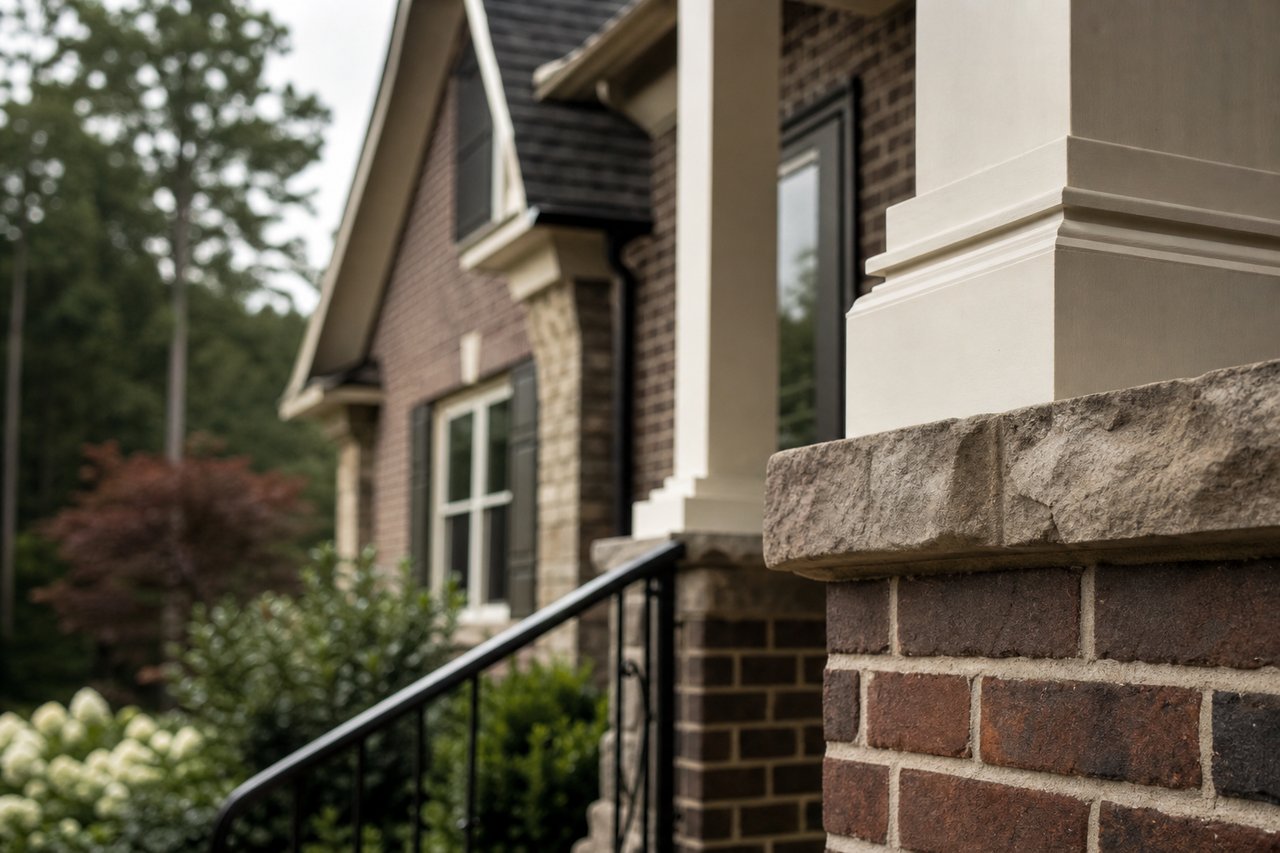
Selling a home in Gwinnett County requires neighborhood-specific pricing, early disclosure preparation, and a clear understanding of Georgia's closing requirements, including the state's statutory transfer tax. Success comes down to local strategy, not a generic metro-wide approach.
What do Gwinnett County home sellers need to know before listing?
Selling a home in Gwinnett County means navigating one of Georgia's largest and most diverse housing markets, nearly 958,000 residents across neighborhoods that vary significantly in price point, commute access, and buyer demand. A successful sale here depends on neighborhood-specific strategy, early paperwork preparation, and a realistic read on what today's buyers expect. This guide walks you through the process from pre-listing prep through closing.
Why Gwinnett County Demands a Neighborhood-Level Approach
Gwinnett County is one of the largest counties in Georgia, with 957,833 residents recorded in the 2020 Census. That population base supports a housing market large enough that what's true in one zip code can be completely different three miles away.
I work with sellers across Gwinnett regularly, and the single biggest mistake I see is treating it like one market. Duluth, Buford, Suwanee, and Lawrenceville each attract different buyer profiles. Commute access to I-85 and I-316, proximity to Gwinnett's commercial corridors, and neighborhood product type all drive how quickly a home moves and at what price.
That's why a comparative market analysis for a Gwinnett home needs to be hyper-local, not metro-wide. Broad Atlanta numbers from sources like the National Association of REALTORS® give useful national context, but they won't tell you what buyers in your specific subdivision paid last quarter.
Before you even think about a list price, I'd encourage you to read through how to price your home correctly in Gwinnett and the surrounding counties, pricing right in the first week is the move that protects your net proceeds.
Verify Your Property Records Before You List
One pre-listing step sellers often skip: pull your parcel data from the Gwinnett County Tax Assessor's Office. Your listing accuracy depends on correct square footage, lot size, and ownership records, and discrepancies between what you list and what county records show can create friction at closing.
The Gwinnett County Government portal also gives you access to tax and recording offices you'll interact with through the closing process. Getting familiar with these resources early puts you ahead of last-minute surprises.
Pre-Listing Preparation: What to Do Before the Sign Goes Up
Complete Your Georgia Disclosure Statement Early
Georgia law requires sellers to disclose known material defects through the Georgia Residential Property Disclosure Statement, and the Georgia Real Estate Commission makes clear that this is a disclosure obligation, not a warranty. Listing "as-is" does not eliminate your duty to disclose what you know.
I always tell sellers to treat the disclosure form as a documentation exercise, not a liability minefield. If your home has had water intrusion, roof repairs, foundation work, or HVAC issues, document what was done and when. Buyers will ask. Having a paper trail actually builds confidence rather than raising red flags.
Older homes and homes with any prior repair history especially benefit from getting this done before photos are taken. It removes a common source of renegotiation after inspection.
Condition, Presentation, and What Buyers Expect in 2026
Gwinnett's buyer pool in 2026 is informed and mobile. They're touring homes in person and virtually, comparing finishes across multiple listings before they make a move. Here's what consistently makes a difference at the pre-listing stage:
● Fresh neutral paint throughout main living areas, dated colors are one of the fastest ways to lose buyers at first showing
● Kitchen and bath updates don't have to be full renovations; hardware, fixtures, and lighting refreshes deliver strong visual impact at lower cost
● Flooring condition matters more than most sellers expect, worn carpet in a market where competing listings have LVP or hardwood is a negotiating liability
● Curb appeal in Gwinnett's climate means pressure-washing the driveway and walkway, fresh mulch, and a clean front entry, small spend, real impact on first impressions
● HVAC, roof, and water heater age, if any of these are near end of life, get ahead of it with documentation or a pre-listing inspection rather than letting buyers use it as leverage
The goal is to remove objections before they become negotiating points. Every dollar a buyer mentally deducts for deferred maintenance is a dollar off your net.
Timing Your Gwinnett Sale
As of August 2026, the summer selling season is well underway. Gwinnett County typically sees strong buyer activity from late spring through mid-summer, with families motivated by school-year timing. If you're weighing whether to list now or wait, the decision depends on your specific home, neighborhood, and financial goals, not a generic seasonal calendar. For a deeper look at how timing plays out across the Northern Atlanta Metro, see the best time to sell in Fulton, Cobb, Gwinnett, and DeKalb County.
Georgia Closing Requirements Gwinnett Sellers Need to Understand
Georgia's Transfer Tax
Georgia imposes a state real estate transfer tax on deed recording. Per the Georgia Department of Revenue, the rate is $1.00 for the first $1,000 of consideration and $0.10 for each additional $100. This is a statutory item collected at closing, not a negotiable percentage, it's separate from any seller concessions or commission discussions.
Who actually pays it at the table is commonly negotiated between the parties and should be confirmed in your purchase and sale agreement. Don't assume a default, verify it in your contract and with your closing attorney.
What Closing Costs Are Negotiable vs. Fixed
Here's a practical breakdown of the cost categories Gwinnett sellers encounter at closing:
Cost Category | Fixed or Negotiable? | Notes |
Georgia Transfer Tax | Fixed by statute | Rate set by state law; who pays is negotiated in contract |
Recording Fees | Fixed by county | Set by Gwinnett County at time of deed recording |
Title Insurance (owner's policy) | Negotiable | Seller often provides; confirm in your PSA |
Prorated Property Taxes | Calculated, not negotiable | Based on your closing date and current tax year |
HOA Transfer/Resale Fees | Set by HOA | Varies by community; request the schedule early |
Broker/Agent Compensation | Fully negotiable | No standard or fixed rate; set in listing agreement |
Seller Concessions | Negotiable | Closing cost credits, repairs, or rate buydowns offered to buyer |
On broker compensation: fees are fully negotiable and not set by any law or industry standard. There is no "typical" rate. The listing-side fee is agreed in your listing agreement with your agent. Any compensation you choose to offer a buyer's agent is optional and separately negotiable, it is not automatically included, and offers of compensation are not shared on the MLS. If you want to understand what commission would look like for your specific situation, that's a direct conversation to have with me, not a number to pull from a blog post.
For a thorough look at how to evaluate agents and compensation structures before you sign a listing agreement, I'd point you to this transparent comparison of listing agent commission structures and marketing plans.
Documents to Gather Before Listing
Getting these together early prevents delays once you're under contract:
● Current mortgage payoff statement from your lender
● Most recent property tax bill (available through Gwinnett County Tax Assessor)
● HOA governing documents, resale certificate, and current dues statement
● Permits and certificates of occupancy for any additions or improvements
● Warranties on appliances, roof, HVAC, or other major systems
● Completed Georgia Residential Property Disclosure Statement
● Survey (if available) and any prior inspection reports
Your specific situation determines which of these are most critical. I walk every Gwinnett seller through this list before we go to market, it's one of the things that keeps closings from falling apart in the final week.
---
Selling a home in Gwinnett County is a process that rewards preparation. The sellers who net the most are the ones who price accurately from day one, present their home well, and walk into closing with their paperwork in order. Every situation is different, and the only way to know what your home is worth and what your path to closing looks like is to work through the specifics with someone who knows this market.
If you're thinking about selling in Gwinnett County, I'd like to start with a no-obligation conversation about your home and your goals. Call or text me at 404-375-2120, or email me at [email protected]. You can also search current Gwinnett County listings at tinasui.com.
Read what past clients have said about working with the TJS Team on Google and Zillow.
Frequently Asked Questions: Selling a Home in Gwinnett County
How long does it take to sell a house in Gwinnett County?
Days on market in Gwinnett County vary by neighborhood, price point, and condition. Well-priced homes in high-demand areas can go under contract within days; homes that are overpriced or need work can sit for weeks or months. The best way to get a realistic timeline for your specific home is a current comparative market analysis from a local agent who tracks Gwinnett's sub-markets closely.
Do I have to disclose defects when selling a house in Georgia?
Yes. Georgia law requires sellers to complete a Residential Property Disclosure Statement covering known material defects, per the Georgia Real Estate Commission. Selling "as-is" does not eliminate this obligation, it means you're not agreeing to make repairs, not that you can withhold known issues. Preparing this document early, with supporting documentation for any past repairs, protects you and builds buyer confidence.
Who pays the Georgia transfer tax at closing?
Georgia's transfer tax is a statutory closing cost, but who actually pays it is negotiated between buyer and seller in the purchase and sale agreement. The Georgia Department of Revenue sets the rate by law; your contract determines which party covers it. Don't assume a default, confirm it in writing with your closing attorney.
What closing costs are negotiable for Gwinnett County sellers?
Some costs are fixed by law or county schedule (transfer tax rate, recording fees, prorated taxes), while others are negotiable between parties (title insurance, seller concessions, broker compensation). HOA transfer fees are set by your association. Broker fees are fully negotiable and not set by any standard, they're agreed in your listing agreement. Your closing attorney can walk you through the full picture for your specific transaction.
What documents do I need before listing my Gwinnett County home?
At minimum, you'll want your current mortgage payoff statement, most recent property tax bill from the Gwinnett County Tax Assessor, HOA documents and resale certificate (if applicable), permits for any improvements, warranties for major systems, and your completed Georgia Residential Property Disclosure Statement. Gathering these before you list prevents delays once you're under contract.
How do Gwinnett County property taxes affect a home sale?
Property taxes are prorated at closing based on your closing date and the current tax year, so you'll be responsible for the portion of the year you owned the home. Buyers and sellers typically settle this through a credit at closing. Verifying your current assessed value and tax bill through the Gwinnett County Tax Assessor's Office before listing helps you anticipate this figure accurately.
About Tina Jingru Sui
Tina Jingru Sui is the founder and leader of the TJS Team, a top-performing real estate team serving the Northern Atlanta Metro area. Specializing in luxury homes, relocation, and investment properties across Cobb, Fulton, Forsyth, and Gwinnett counties, Tina and her team are dedicated to helping buyers, sellers, and investors achieve their real estate goals in communities like Johns Creek, Alpharetta, Suwanee, Duluth, and beyond.
Keller Williams Atlanta Partners · (404) 375-2120
This article is provided for general informational purposes only and does not constitute legal, tax, or financial advice. Costs, requirements, and market conditions vary by transaction, confirm your specific numbers with your closing attorney, tax advisor, lender, or escrow officer. Tina Jingru Sui | GA License #392936 | REALTOR® | Regulated by the Georgia Real Estate Commission (grec.georgia.gov) | Member, National Association of REALTORS®. Equal Housing Opportunity.