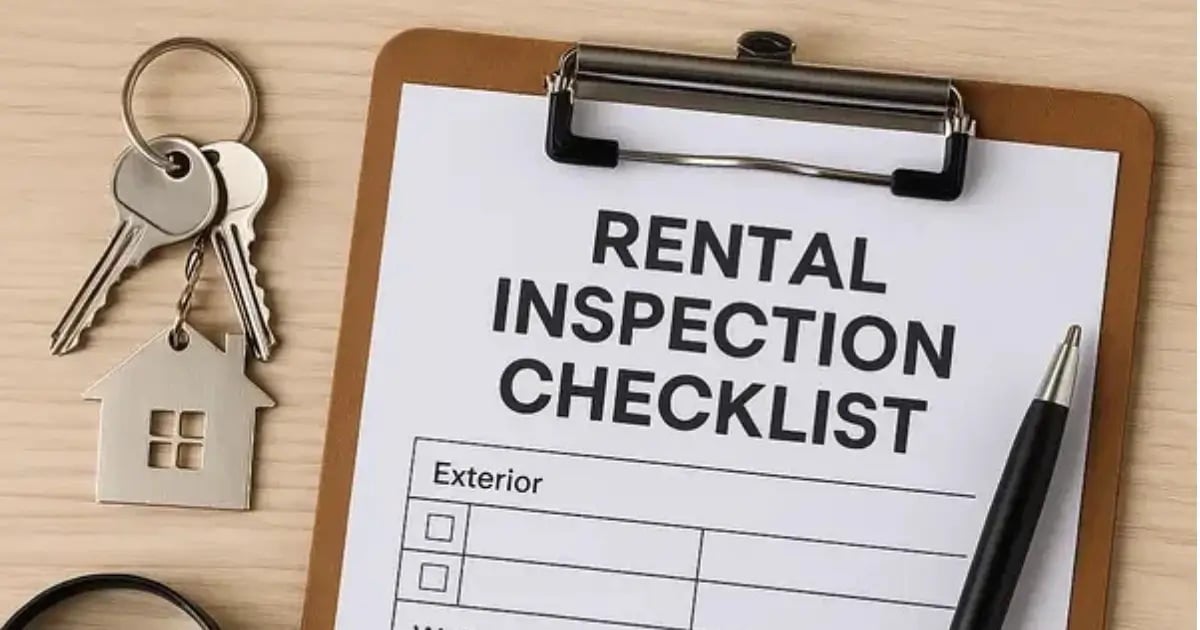
Switching From Selling to Renting: A Landlord's Guide to Making the Transition
Follow a practical transition plan: close out the sale listing properly, research rent, prepare the house, screen tenants and protect future sale options.
Selling a home does not always go as planned. Your property may have been on the market for months without receiving a good offer, or your plans may have changed.
Instead of continuing to wait for a buyer, you may consider renting out the property.
Switching from selling to renting can provide another way to earn income while keeping ownership of your home. However, becoming a landlord requires preparation, planning, and a clear understanding of your responsibilities.
Here is a simple guide to help you make the transition.
1. Decide Why You Want to Rent Instead of Sell
Before changing your plans, think about why renting may be a better option.
Some homeowners choose to rent because:
- Their home has not received competitive offers.
- They do not want to lower the asking price.
- They are relocating but want to keep the property.
- They believe the property may increase in value over time.
- They want to generate rental income.
Think about your long-term financial goals and how long you plan to keep the property.
Renting should be a planned decision, not just a quick solution to an unsuccessful sale.
2. Review Your Current Listing Agreement
If your home is still listed for sale, contact your listing agent before making the transition.
Review your listing agreement and discuss how to end or change the listing arrangement.
You should also confirm whether there are any outstanding obligations, fees, or other conditions.
Once the selling arrangement is properly addressed, you can begin preparing the property for rent.
3. Research the Local Rental Market
Before setting a rental price, check what similar homes are renting for in your area.
Compare properties based on:
- Location and neighborhood
- Number of bedrooms and bathrooms
- Property size
- Home condition
- Available appliances and features
- Community amenities
For Metro Atlanta homeowners, rental prices can vary between Johns Creek, Alpharetta, Suwanee, Duluth, Buford, and other surrounding communities.
Choose a competitive rental price based on current market conditions rather than simply trying to cover your mortgage payment.
4. Calculate Your Rental Expenses
Rental income is not the same as profit.
Before accepting tenants, estimate the expenses you may need to pay each month.
These may include:
- Mortgage payments
- Property taxes
- Landlord insurance
- HOA fees
- Maintenance and repairs
- Property management fees
- Utilities, if included in the lease
- Vacancy periods
For example, if your home rents for $2,400 per month, you should not assume that the entire amount will be available as income.
Create a monthly budget and keep additional funds available for unexpected repairs.
5. Prepare the Property for Rent
A home that was previously listed for sale may need some updates before becoming a rental.
Walk through the property and check its overall condition.
Focus on:
- Cleaning floors, carpets, and windows
- Repairing damaged walls
- Checking plumbing and electrical systems
- Testing air conditioning and heating
- Inspecting kitchen appliances
- Checking doors, locks, and windows
- Cleaning the yard and outdoor areas
You do not need to make every upgrade that might have helped sell the home. Focus on safety, functionality, and improvements that make the property attractive to renters.
6. Check Insurance and Local Requirements
Changing your home from a personal residence to a rental property may affect your insurance needs.
Contact your insurance provider to discuss landlord insurance and appropriate liability coverage.
You should also review:
- Local rental requirements
- HOA or community rental restrictions
- Security deposit rules
- Required property safety standards
- Applicable lease requirements
If you have a mortgage, check whether your loan agreement includes any occupancy or rental restrictions.
Understanding these requirements before finding a tenant can help prevent problems later.
7. Find and Screen Qualified Tenants
Finding the right tenant is one of the most important parts of becoming a landlord.
Before approving an application, establish a consistent screening process.
Depending on applicable laws, this may include reviewing:
- Rental history
- Employment and income information
- Credit history
- References from previous landlords
- Background information where legally permitted
Use consistent screening standards for all applicants and follow fair housing laws.
A reliable tenant can help reduce late payments, property damage, and frequent turnover.
8. Prepare a Written Lease Agreement
Before allowing anyone to move in, prepare a clear written lease agreement.
The lease should explain:
- Monthly rent and payment due date
- Lease length and renewal terms
- Security deposit arrangements
- Maintenance responsibilities
- Pet policies
- Parking rules
- Utility responsibilities
- Property use restrictions
- Procedures for ending the lease
Make sure the agreement follows Georgia law and clearly explains the responsibilities of both parties.
9. Decide Whether to Self-Manage or Hire a Property Manager
After becoming a landlord, you will need to handle tenant communication, rent collection, maintenance, and other daily responsibilities.
You can manage the property yourself or hire a professional property management company.
Self-management may help reduce management fees, but it requires time and availability.
A property manager may assist with:
- Advertising the rental
- Scheduling showings
- Screening tenants
- Collecting rent
- Coordinating repairs
- Handling tenant concerns
Compare the service fees and responsibilities before deciding which approach works best.
10. Keep Your Future Selling Options Open
Renting out your property does not mean you have to keep it forever.
You may decide to sell again when market conditions improve or when your personal plans change.
However, an active lease can affect when and how you sell the property.
Before signing a lease, consider how long you want to hold the home and whether you may need to sell within the next year.
Discuss your plans with a real estate professional so you can make a decision that supports both your rental and selling goals.
Conclusion: Make the Transition With a Clear Plan
Switching from selling to renting can be a practical option when your home is not attracting the offers you expected.
However, becoming a landlord requires more than finding a tenant. You need to understand rental pricing, expenses, property preparation, insurance, lease agreements, and ongoing maintenance.
For Metro Atlanta homeowners, reviewing both the local sales and rental markets can help you decide whether renting is a better option than continuing to sell.
Tina Jingru Sui, Associate Broker and Team Leader of the TJS Team at Keller Williams Atlanta Partners, can help homeowners understand local market conditions and explore different options for selling, renting, or holding their properties.
Visit TinaSui.com to learn more.
Frequently Asked Questions
Can I rent out my home if it does not sell?
Yes. You may be able to switch from selling to renting, but first review your listing agreement, mortgage requirements, insurance coverage, and any HOA restrictions.
Should I lower my asking price or rent out my property?
It depends on your financial goals and the local market. Compare the potential sale proceeds with rental income, monthly expenses, and long-term responsibilities.
Do I need landlord insurance when switching to renting?
You should contact your insurance provider. A standard homeowners policy may not provide the appropriate coverage for a rental property.
How do I know how much rent to charge?
Research similar rental properties in your neighborhood. Consider the property's size, condition, location, and features when setting a competitive price.
Can I sell my property after renting it out?
Yes. However, an active lease may affect the sale process and available options. Review the lease terms and discuss your plans with a real estate professional before listing the property.
Sell-to-Rent Transition Cash Flow Calculator
Estimate rent after vacancy and property expenses. Use the same holding-cost assumptions when comparing this option with a future sale.
Illustrative projections only. Expected rent collected is rent reduced by a vacancy allowance; this is not guaranteed rent. Monthly mortgage payment includes principal as a cash outflow and may already include tax/insurance escrow; enter those separately only if not included. This is cash flow, not taxable profit or return on equity. Excludes potential appreciation, sale costs, depreciation, tax effects, major unexpected losses and lease termination issues.
Selling-to-Renting Transition Checklist
Work through these 18 items before converting an unsuccessful home listing into a rental.
0 of 18 complete
Compare Your Next Move
Relist or Reprice
Investigate whether a more competitive asking price, better listing preparation, stronger marketing or improved showing access could attract buyers without adding landlord responsibilities.
Rent Temporarily
Evaluate realistic rent, vacancy risk, monthly holding expenses, lease terms, insurance and management needs. A tenant's legal occupancy may complicate the timing of a later sale.
Leasing services: TJS Team at Keller Williams Atlanta Partners. Ongoing rental operations: OppoMax Management. Services and fees depend on separate written agreements.
Explore Your Sell vs. Rent Options
Review your home's current market position and rental possibilities with TJS Team.
Visit TinaSui.comCall or Text 404-375-2120
Tina Jingru Sui · Associate Broker & Team Leader · TJS Team · Keller Williams Atlanta Partners