The Benefits of Long-Term Homeownership
Buying a home is often viewed as one of the biggest financial and personal milestones in life. While short-term market conditions may fluctuate, long-term homeownership continues to offer benefits that extend beyond simply having a place to live.
For many people, owning a home long-term can provide financial growth, stability, emotional security, and stronger community ties. Over time, homeowners may also benefit from property appreciation, equity growth, and greater control over their living environment.
Understanding the long-term advantages of homeownership can help buyers make more informed real estate decisions and better prepare for the responsibilities and opportunities that come with owning property.
1. Building Home Equity Over Time
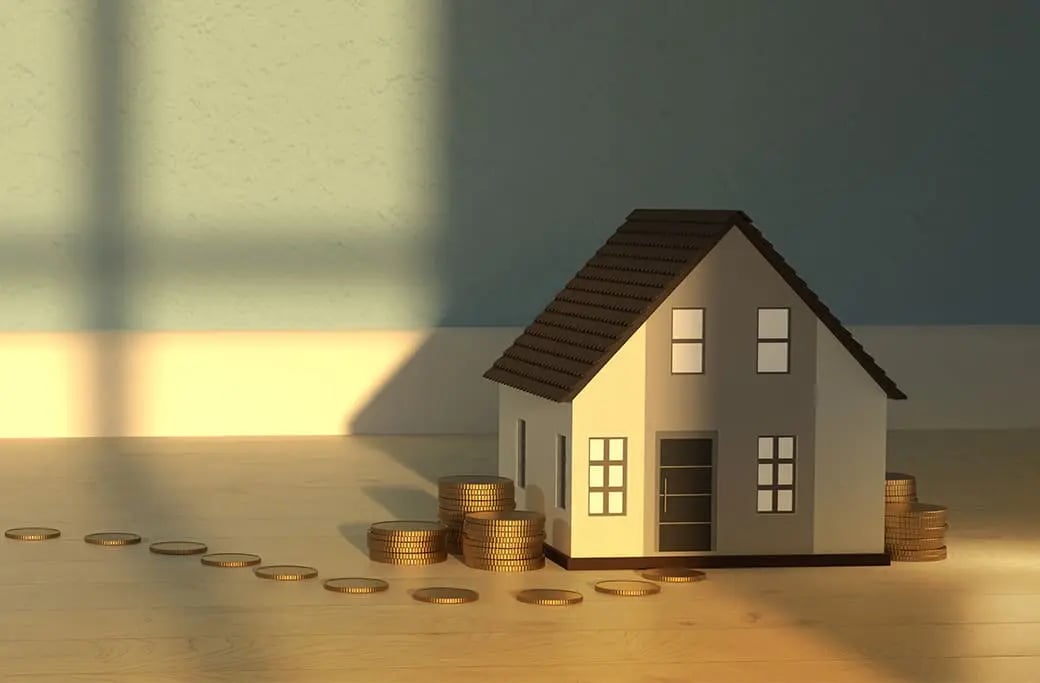
One of the biggest financial benefits of homeownership is building equity.
Home equity is the difference between:
- The home’s market value
- The remaining mortgage balance
As homeowners make mortgage payments and property values potentially increase, equity may grow over time.
Equity can become a valuable long-term financial asset.
2. Potential Property Appreciation
Real estate values may increase over long periods, especially in desirable locations.
While markets naturally experience ups and downs, long-term ownership often allows homeowners to benefit from:
- Neighborhood growth
- Economic development
- Rising housing demand
Property appreciation can contribute significantly to long-term wealth building.
3. Greater Housing Stability
Long-term homeownership can provide a greater sense of stability compared to renting.
Homeowners often experience:
- Consistent living arrangements
- More predictable housing costs
- Greater control over their property
This stability can be especially valuable for families and long-term planning.
4. Predictable Monthly Payments
For buyers with fixed-rate mortgages, monthly principal and interest payments often remain stable over time.
Unlike rent, which may increase regularly, fixed mortgage payments provide:
- Budget consistency
- Improved financial planning
- Greater long-term predictability
This can make long-term budgeting easier for many homeowners.
5. Freedom to Personalize the Home
Homeowners have greater flexibility to customize their living spaces.
They may choose to:
- Renovate kitchens or bathrooms
- Paint walls
- Upgrade landscaping
- Add outdoor living areas
- Remodel interiors
This freedom allows homeowners to create spaces that better match their lifestyle and preferences.
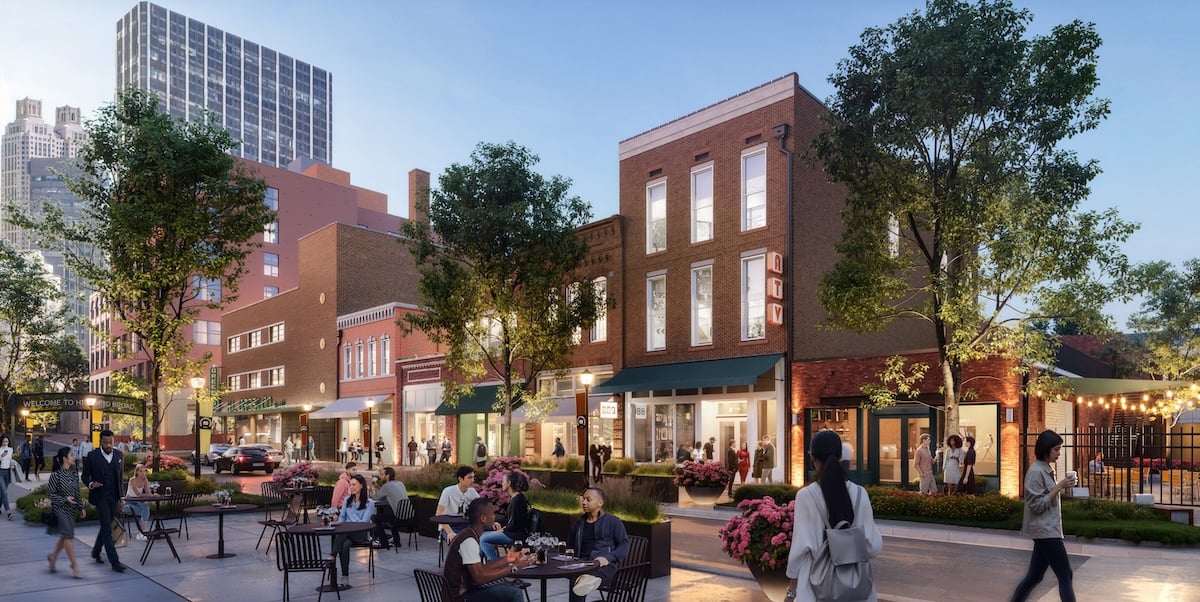
6. Stronger Community Connections
People who stay in homes long-term often develop stronger ties to their communities.
Long-term residents may build:
- Friendships with neighbors
- Local involvement
- School and community relationships
- Greater familiarity with the area
These connections can improve overall quality of life.
7. Long-Term Financial Discipline
Mortgage payments may help homeowners build financial discipline through consistent long-term investing in their property.
Unlike rent payments, mortgage payments may gradually contribute toward ownership and equity growth.
Over time, this structured financial commitment can support wealth accumulation.
8. Potential Tax Advantages
Depending on local laws and individual financial situations, homeownership may provide certain tax-related benefits.
Examples may include deductions related to:
- Mortgage interest
- Property taxes
Because tax situations vary, homeowners should consult financial or tax professionals for personalized guidance.
9. More Privacy and Personal Space
Homeownership often provides:
- Larger living spaces
- Greater privacy
- Private outdoor areas
Many buyers value the ability to enjoy their property without the restrictions sometimes associated with rental living.
10. Long-Term Cost Control
Although homeownership includes maintenance responsibilities, long-term owners may benefit from:
- Stable mortgage payments
- Protection from rising rental prices
- Greater financial predictability
Over many years, ownership may become more cost-effective compared to continuously increasing rental expenses.
11. Opportunity to Improve Property Value
Homeowners can invest in upgrades that may improve:
- Functionality
- Comfort
- Resale value
Strategic improvements may increase both enjoyment and future market value.
Examples include:
- Kitchen renovations
- Energy-efficient upgrades
- Outdoor improvements
12. Emotional Security and Sense of Ownership
Owning a home often provides emotional benefits beyond financial considerations.
Many homeowners experience:
- Pride of ownership
- Greater security
- Long-term comfort
- A stronger sense of permanence
These emotional benefits can contribute significantly to overall life satisfaction.
13. Stability for Families
Long-term homeownership may offer families:
- Consistent school attendance
- Stable friendships for children
- Familiar surroundings
- Long-term community support systems
Stability is often an important factor for households planning for the future.
14. Retirement Planning Benefits
Homes may become valuable financial assets during retirement.
Long-term homeowners may eventually:
- Pay off their mortgage
- Reduce housing expenses
- Access accumulated equity if needed
Owning property long-term can support broader retirement planning strategies.
15. Protection Against Rental Market Volatility
Rental markets can fluctuate significantly over time.
Rent increases may create:
- Budget uncertainty
- Relocation pressure
- Reduced financial flexibility
Long-term homeownership can provide more control over housing costs and living arrangements.
16. Potential Generational Wealth Building
Real estate ownership may help families build and transfer wealth across generations.
Property ownership can create:
- Long-term financial assets
- Inheritance opportunities
- Greater financial stability for future generations
For many families, homeownership plays an important role in long-term financial planning.
17. Long-Term Perspective Helps Reduce Market Stress
Short-term real estate fluctuations may feel less significant for long-term homeowners.
People planning to stay in homes for many years often focus more on:
- Lifestyle quality
- Community fit
- Long-term comfort
rather than short-term market volatility.
18. Homeownership Encourages Long-Term Planning
Owning a home often encourages individuals and families to think more strategically about:
- Financial goals
- Career decisions
- Lifestyle priorities
- Future investments
This long-term mindset can support broader personal and financial stability.
Final Thoughts
Long-term homeownership offers benefits that extend far beyond the property itself. From building equity and financial stability to creating community connections and personal comfort, owning a home can play a major role in long-term lifestyle and wealth development.
While homeownership also involves responsibilities such as maintenance and financial planning, many buyers view the long-term advantages as worthwhile investments in both their future and quality of life.
Ultimately, successful long-term homeownership is not just about purchasing property—it’s about creating stability, opportunity, and a place to call home for years to come.
--
Tina Jingru Sui 隋静儒
Associate Broker | Team Leader of TJS Team, Keller Williams
Serving Metro Atlanta — Johns Creek, Alpharetta, Duluth, Suwanee, Buford, and beyond
404-375-2120
WeChat: tinasuirealty
Follow me on Instagram / 小红书 / WeChat / Facebook