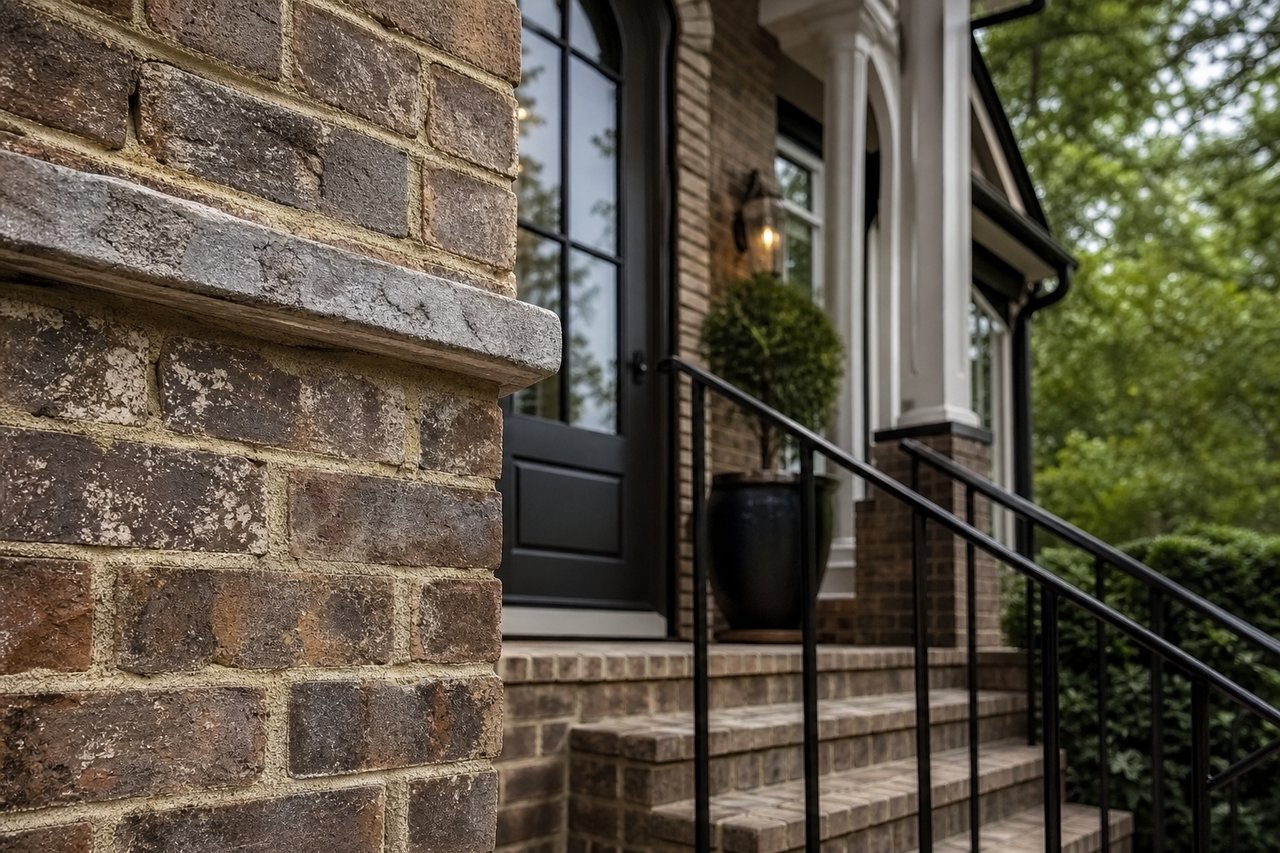
The “Five-Minute Neighborhood Test”: What Can You Learn Before Buying in Atlanta?
SEO Title: The “Five-Minute Neighborhood Test”: What Can You Learn Before Buying in Atlanta?
SEO Subtitle: Discover how a quick five-minute neighborhood check can reveal important details about traffic, convenience, noise, amenities, and everyday life before you buy a home in Atlanta
When buying a home, it is easy to become focused on the house itself.
You notice the updated kitchen, spacious bedrooms, beautiful flooring, backyard, or open floor plan—and it may be tempting to make a decision based primarily on what you see inside.
But a home is more than its walls.
The neighborhood surrounding the property can have just as much influence on your daily life and, potentially, the property's long-term appeal.
That is why Atlanta homebuyers can benefit from a simple strategy: the five-minute neighborhood test.
You don't need hours to get your first impression. Spending just five minutes driving or walking around the immediate area can reveal details that listing photos and online searches may not show.
What Is the Five-Minute Neighborhood Test?
The five-minute neighborhood test is a quick way to evaluate what everyday life might feel like around a property.
Before or after touring a home, spend approximately five minutes exploring the surrounding streets.
Pay attention to:
- Traffic
- Noise
- Nearby businesses
- Sidewalks
- Parks
- Road conditions
- Neighboring properties
- Construction
- Accessibility
The goal isn't to make a final decision in five minutes.
Instead, it is to identify questions that deserve deeper research.
1. Check the Traffic
Atlanta is known for its extensive road network and busy commuting patterns.
A neighborhood that seems quiet during an open house may feel very different during rush hour.
Look at:
- Traffic volume
- Major intersections
- Cut-through traffic
- School traffic
- Highway access
- Road congestion
If possible, visit the neighborhood at different times of day.
A five-minute drive during the morning commute may reveal something an afternoon showing doesn't.
2. Listen to the Neighborhood
One of the easiest things to overlook during a home tour is noise.
Spend a few moments simply listening.
Can you hear:
- Highway traffic?
- Trains?
- Airplanes?
- Construction?
- Commercial activity?
- Loud intersections?
A home's interior may be quiet because the windows and doors are closed, but the outdoor environment can tell a different story.
3. Look at Nearby Homes
Take a quick look at neighboring properties.
Are the homes:
- Well maintained?
- Similar in quality?
- Recently renovated?
- New construction?
- Showing signs of deferred maintenance?
The surrounding properties can provide useful context about the overall character of the neighborhood.
4. Check the Streets and Sidewalks
Walkability can mean different things depending on the Atlanta community.
Look for:
- Sidewalks
- Crosswalks
- Street lighting
- Bike lanes
- Walking paths
- Road conditions
If you plan to walk to nearby stores, restaurants, or parks, test the route yourself.
A property may appear "close" to an amenity on a map but feel very different when you actually walk there.
5. Find Out What Is Five Minutes Away
One of the most useful parts of the test is identifying everyday conveniences.
Within a short drive, can you find:
- Grocery stores?
- Pharmacies?
- Restaurants?
- Coffee shops?
- Gas stations?
- Parks?
- Gyms?
- Medical facilities?
Think about the places you visit regularly.
Convenience can have a major effect on your everyday satisfaction with a home.
6. Look for Construction and Development
Atlanta continues to experience growth and development.
During your neighborhood test, look for:
- New homes
- Apartment communities
- Shopping centers
- Road construction
- Commercial projects
- New sidewalks
- Redevelopment
Construction can be inconvenient in the short term, but some projects may improve the area over time.
Before making assumptions, research what is actually being developed.
7. Pay Attention to Empty Lots
An empty lot may look harmless today, but it could eventually become something very different.
An undeveloped property might eventually become:
- A house
- Apartment buildings
- Retail space
- Offices
- A road
- A community facility
If a nearby vacant property matters to your decision, research its zoning and development plans before buying.
8. Check Your Commute
A neighborhood may look perfect until you experience the commute.
Before buying, test the drive to:
- Work
- School
- Daycare
- Family
- Frequently visited shopping areas
Don't rely entirely on estimated travel times from an app.
If possible, test the route during the time you would actually be traveling.
9. Look for Parks and Outdoor Spaces
Outdoor amenities can make a neighborhood more enjoyable.
Look for:
- Parks
- Trails
- Green spaces
- Playgrounds
- Community recreation areas
These features can be especially important for families, dog owners, and buyers who enjoy outdoor activities.
10. Observe the Neighborhood at Different Times
A neighborhood can change throughout the day.
For example:
Morning:
You may see school traffic and commuters.
Afternoon:
The neighborhood may be quieter.
Evening:
Restaurants, shopping, and traffic may become busier.
Weekend:
Parks and community amenities may be more active.
If you are seriously considering a property, visiting at multiple times can provide a much more complete picture.
Atlanta Buyers Should Compare the Entire Area
Metro Atlanta includes a wide range of communities, and each has its own personality.
A five-minute neighborhood test can be particularly useful when comparing areas such as:
Alpharetta
Explore nearby shopping, restaurants, employment centers, and major roads.
Johns Creek
Pay attention to schools, parks, family-oriented amenities, and commuting routes.
Suwanee
Look at community amenities, trails, shopping, and ongoing development.
Duluth
Consider access to restaurants, shopping, major roads, and employment areas.
Marietta
Evaluate established neighborhoods, commercial areas, parks, and transportation connections.
Woodstock
Look for newer development, downtown amenities, recreational opportunities, and future growth.
The right choice depends on your lifestyle and priorities.
Don't Judge a Neighborhood Too Quickly
The five-minute test is a starting point—not a complete neighborhood analysis.
A quick drive can reveal things worth investigating, but it cannot tell you everything about:
- Crime statistics
- School boundaries
- Property taxes
- Future development
- Rental demand
- Property values
- Zoning
- HOA restrictions
Those factors require additional research.
Turn Your Five Minutes Into Better Questions
The most valuable result of the test may be the questions it creates.
For example:
You notice heavy traffic.
→ Is this normal or only during school hours?
You see construction.
→ What is being built?
You notice a vacant lot.
→ What is the property's zoning?
You hear highway noise.
→ Is the noise noticeable inside the home?
You see limited sidewalks.
→ Are there nearby walking trails?
This approach helps transform a quick observation into useful due diligence.
The Neighborhood Test for Investment Buyers
The five-minute test can also help real estate investors.
Investors can look for:
- Rental demand
- Nearby employment
- Shopping
- Transportation
- New development
- Property maintenance
- Neighborhood activity
A neighborhood that is convenient and attractive to residents may have stronger long-term rental appeal.
However, investors should combine these observations with actual rental and financial data before purchasing.
What About Property Value?
A desirable neighborhood can support buyer demand, but location is only one factor affecting property value.
Buyers and investors should also consider:
- Comparable sales
- Property condition
- Housing supply
- Market demand
- Interest rates
- Property taxes
- HOA fees
- Future development
A quick neighborhood test should be part of a larger evaluation—not a substitute for professional analysis.
Create Your Own Five-Minute Checklist
Before buying, spend five minutes checking:
☐ Traffic
☐ Noise
☐ Nearby businesses
☐ Grocery and everyday conveniences
☐ Parks and outdoor spaces
☐ Sidewalks and roads
☐ Neighboring properties
☐ Construction
☐ Vacant lots
☐ Commute route
☐ Overall neighborhood atmosphere
Then write down anything that concerns you.
How TJS Team Helps Atlanta Buyers Look Beyond the House
At TJS Team, we believe buying a home means evaluating more than bedrooms, bathrooms, and square footage.
We help buyers explore:
- Neighborhood characteristics
- Comparable properties
- Local amenities
- Transportation
- Community development
- Market trends
- Long-term considerations
A quick neighborhood test can be a great first step, while professional local guidance can help you investigate the bigger picture.
Final Thoughts
A beautiful house does not automatically make a great home.
Before buying in Atlanta, take a few minutes to explore the neighborhood around the property. Check traffic, noise, nearby amenities, sidewalks, construction, parks, and your commute.
The five-minute neighborhood test won't answer every question, but it can reveal important details and help you decide what deserves further investigation.
Ultimately, the best home is one that works not only inside the front door, but also fits the way you want to live outside it.
If you're searching for a home in Metro Atlanta, TJS Team can help you compare properties and neighborhoods so you can make a more informed decision about where to live.
--
Tina Jingru Sui 隋静儒
Associate Broker | Team Leader of TJS Team, Keller Williams
Serving Metro Atlanta — Johns Creek, Alpharetta, Duluth, Suwanee, Buford, and beyond
404-375-2120
WeChat: tinasuirealty
Follow me on Instagram / 小红书 / WeChat / Facebook