The Homebuyer's Guide to Understanding Property Disclosures
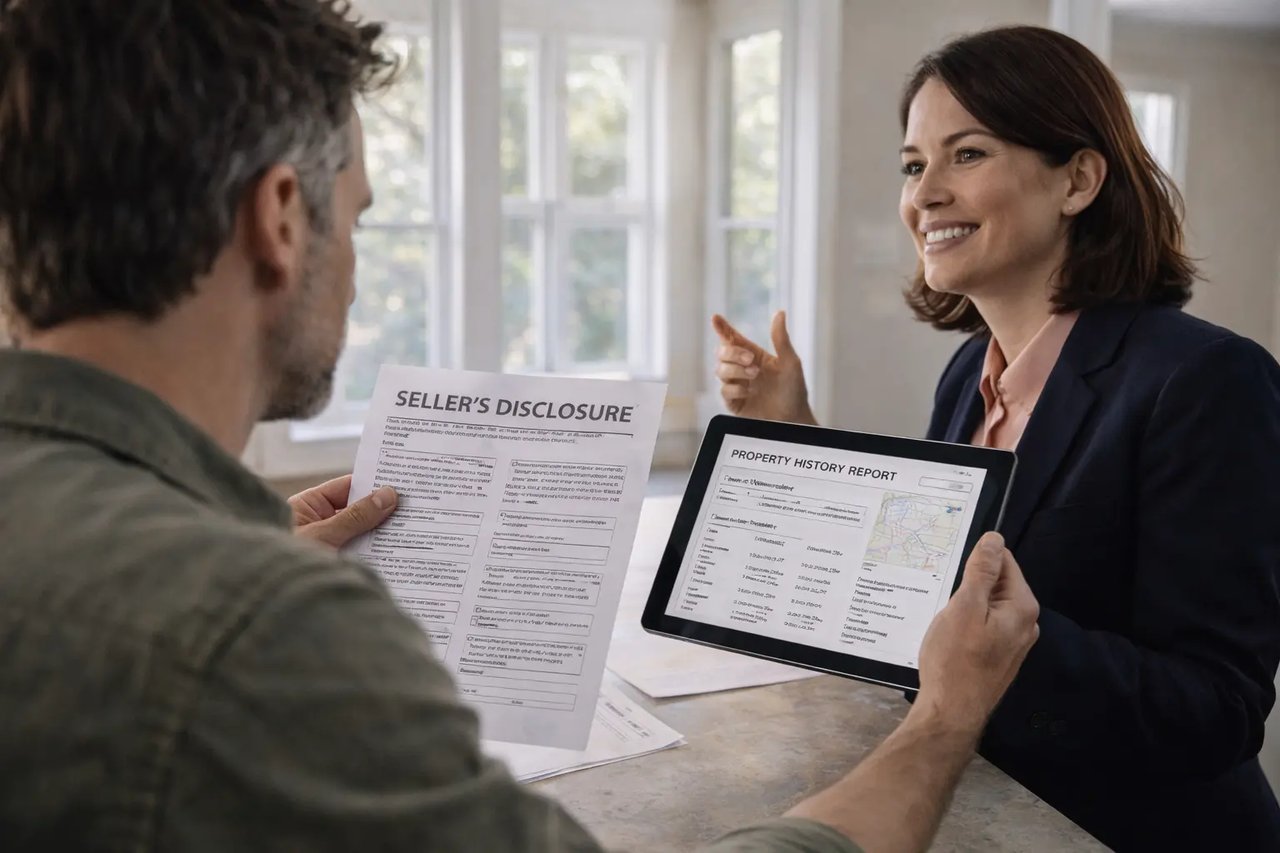
Buying a home involves much more than finding the perfect floor plan or negotiating the purchase price. One of the most important documents you'll review during the transaction is the property disclosure. This document helps buyers better understand the property's known condition and history before moving forward with the purchase.
While disclosure requirements vary by state and transaction, reviewing these documents carefully can help you identify potential concerns, prepare for future maintenance, and ask informed questions throughout the buying process.
If you're planning to purchase a home in Metro Atlanta, here's what you should know about property disclosures.
1. What Is a Property Disclosure?
A property disclosure is a document in which the seller shares information about the property's known condition.
Depending on the transaction and applicable laws, disclosures may include information about:
- Major home systems
- Previous repairs
- Water damage
- Structural concerns
- Mechanical equipment
- Other known property conditions
The purpose is to help buyers make informed decisions before closing.
2. Why Property Disclosures Matter
Property disclosures provide valuable insight into a home's history.
Reviewing them carefully may help buyers:
- Better understand the property's condition
- Prepare for future maintenance
- Ask additional questions
- Identify areas that deserve closer inspection
While disclosures are important, they should be considered alongside inspections and other due diligence—not as a replacement for them.
3. Common Information Included in Disclosures
Although forms vary, sellers may disclose information about:
- Roof condition
- HVAC system
- Plumbing
- Electrical systems
- Foundation
- Previous repairs
- Water intrusion
- Pest issues
- Appliances included with the sale
Carefully reviewing each section helps you understand what the seller knows about the home.
4. Learn About Past Repairs
Many disclosures describe significant repairs completed during the seller's ownership.
Examples include:
- Roof replacement
- HVAC installation
- Plumbing repairs
- Electrical updates
- Window replacement
- Foundation work
Knowing what has already been repaired can help you better evaluate the property's condition.
5. Understand Water-Related Issues
Water can cause significant damage if problems are not properly addressed.
Disclosures may mention:
- Roof leaks
- Basement moisture
- Plumbing leaks
- Flood history
- Mold remediation
If water-related issues are disclosed, discuss them with your home inspector for additional evaluation.
6. Review the Age of Major Systems
Major home systems eventually require maintenance or replacement.
Pay attention to:
- Roof age
- Water heater
- HVAC equipment
- Electrical panel
- Plumbing systems
Understanding the age of these systems can help you anticipate future maintenance costs.
7. Compare Disclosures With the Home Inspection
Property disclosures and home inspections work together.
After receiving the inspection report:
- Compare it with the seller's disclosures.
- Note any differences.
- Ask follow-up questions if needed.
A professional inspection provides an independent evaluation of the home's current condition.
8. Ask Questions About Anything You Don't Understand
If any disclosure item seems unclear, don't hesitate to ask for clarification.
Examples include:
- When was the repair completed?
- Was the work performed by a licensed contractor?
- Are receipts available?
- Has the issue occurred again?
Clear communication helps reduce misunderstandings.
9. Understand What Disclosures Don't Cover
Property disclosures generally reflect what the seller knows about the property.
They may not include:
- Hidden defects
- Unknown problems
- Issues that develop after the form is completed
This is why inspections and other due diligence remain essential parts of the buying process.
10. Don't Skip the Details
Some buyers focus only on major items, but smaller details can also provide useful information.
Review:
- Dates of repairs
- Maintenance history
- Appliance information
- Warranty details (if available)
These details can help you better understand how the home has been maintained.
11. Consider Future Maintenance
Even if a home is in excellent condition, every property requires ongoing maintenance.
Disclosures can help you prepare for future expenses by identifying:
- Older systems
- Recently repaired components
- Areas that may eventually require attention
Planning ahead can make homeownership less stressful.
12. Review Other Transaction Documents
Property disclosures are only one part of the transaction.
Also review:
- Home inspection report
- Appraisal (when applicable)
- HOA documents (if applicable)
- Title information
- Purchase agreement
Together, these documents provide a more complete picture of the property.
13. Stay Objective
A beautiful kitchen or updated flooring can make a strong first impression, but always evaluate the entire property.
Balance cosmetic appeal with:
- Structural condition
- Mechanical systems
- Maintenance history
- Location
- Overall functionality
Making decisions based on complete information helps reduce surprises after closing.
14. Take Your Time Reviewing Documents
Don't rush through disclosure paperwork.
Carefully reading every page allows you to:
- Identify potential concerns
- Prepare questions
- Better understand the home's history
- Make informed decisions before signing
Taking time now may help prevent future surprises.
15. Work With an Experienced Metro Atlanta Real Estate Professional
An experienced local real estate professional can help you:
- Review disclosure documents carefully
- Explain unfamiliar terms
- Coordinate inspections
- Compare disclosures with inspection findings
- Answer questions throughout the transaction
- Guide you through every step of the homebuying process
Their expertise can help you better understand the information provided and make confident decisions.
Final Thoughts
Property disclosures are an important part of buying a home because they provide valuable information about a property's known condition and history. While they should always be reviewed alongside a professional home inspection and other transaction documents, they can help buyers ask informed questions, anticipate future maintenance, and better understand the home before closing. Taking the time to carefully review these documents is an important step toward making a confident and informed purchase.
If you're planning to buy a home in Metro Atlanta, partnering with an experienced local real estate professional can help you interpret property disclosures, navigate the transaction process, and make well-informed decisions every step of the way.
--
Tina Jingru Sui 隋静儒
Associate Broker | Team Leader of TJS Team, Keller Williams
Serving Metro Atlanta — Johns Creek, Alpharetta, Duluth, Suwanee, Buford, and beyond
404-375-2120
WeChat: tinasuirealty
Follow me on Instagram / 小红书 / WeChat / Facebook