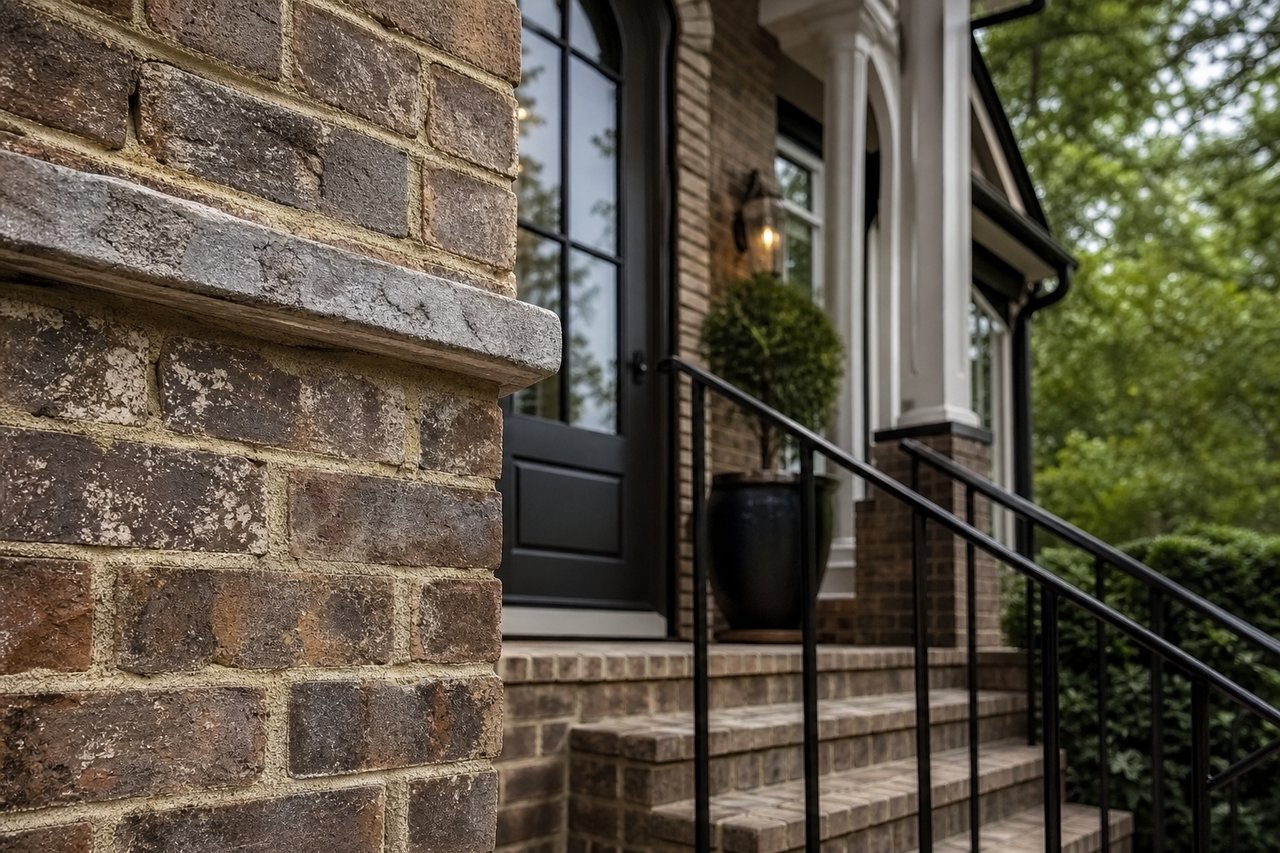
You should buy a home that works for you—not for an imaginary future buyer. But before making a major purchase, it can still be useful to ask how another buyer might view the property's layout, location, parking, lot, condition, maintenance requirements, customization, HOA rules, and overall functionality. The goal is not to predict the future. It is to understand the trade-offs you are buying today.
The House You Love Today Might Be Hard to Sell Tomorrow
Before you make an offer, try looking at the property one more time—not as the buyer who loves it, but as the future seller who may need someone else to love it too.
You walk into a house and immediately love it.
The kitchen is exactly your style.
The backyard feels perfect.
The architecture is different from everything else you have seen.
At that point, it becomes very easy to evaluate the property based on one question:
“Do I want this house?”
That question matters.
But before making an offer, try adding one more:
“If I needed to sell this property later, what would I have to explain to the next buyer?”
That simple question can reveal things that emotion makes easy to overlook.
The Future Buyer Test
You do not need to predict exactly what buyers will want five or ten years from now.
Buyer preferences change.
Markets change.
Neighborhoods change.
But you can still identify characteristics that are:
- Expensive to change.
- Impossible to change.
- Highly specialized.
- Difficult to use.
- Likely to require ongoing expense.
Don't Try to Predict
What Future Buyers Will Love.
Identify
What Future Buyers May Have to Accept.
1. Start With What You Cannot Change: Location
Paint can change.
Flooring can change.
Kitchens can be renovated.
The property's physical location does not move.
Before buying, evaluate objective factors such as:
- Road exposure.
- Traffic.
- Commute routes.
- Ease of entering and leaving the property or subdivision.
- Nearby commercial activity.
- Parking.
- Access to destinations you use regularly.
Location challenges do not automatically make a home a bad purchase.
The important question is whether the current price appropriately reflects the trade-off.
Ask Whether You Are Being Compensated for the Trade-Off
Suppose a home backs to a busier road.
If comparable interior-lot homes sell for more, the market may already recognize the difference.
That can be perfectly reasonable.
The question becomes:
Are you receiving enough value today for a characteristic you may also need to price around later?
2. A Beautiful House Can Still Have a Difficult Floor Plan
Square footage tells you how much space exists.
It does not tell you how well that space works.
Look for:
- Bedrooms that are difficult to furnish.
- Limited closet or pantry storage.
- Rooms with unclear practical use.
- Large amounts of hallway space.
- Bathrooms located awkwardly relative to bedrooms.
- Major living spaces that do not connect well.
- Furniture-placement problems.
The best question is not “Is the layout unique?”
It is: “Is the layout easy to use?”
3. Separate Personal Style From Permanent Customization
A home should feel like yours.
There is nothing wrong with personal taste.
But personalization comes in different levels.
Easier to Change | More Expensive to Reverse |
|---|---|
Paint | Removing a functional bedroom |
Wallpaper | Permanent specialty-room conversion |
Light fixtures | Major structural alteration |
Decor | Highly specialized built-in installation |
The more expensive a modification would be to reverse, the more carefully you should consider whether it adds value primarily to you or to a broader group of future buyers.
4. Don't Underestimate Parking
Parking rarely gets the same attention as a renovated kitchen.
But it can significantly affect how a property functions.
Evaluate:
- Garage size.
- Driveway width.
- Driveway slope.
- Whether vehicles block one another.
- Turnaround space.
- Street-parking availability.
- HOA or municipal parking restrictions.
Parking limitations are particularly worth noticing because they can be difficult or impossible to materially improve.
5. A Large Yard Does Not Automatically Mean a Better Lot
Buyers often react emotionally to acreage or a large backyard.
But future usability may depend on:
- Slope.
- Drainage.
- Retaining walls.
- Tree coverage.
- Usable flat area.
- Maintenance requirements.
Compare usable land—not just lot size.
6. Today's Working Systems Can Become Tomorrow's Negotiation
A roof, HVAC system, water heater, or other component can be older and still function properly.
Age alone does not make a system defective.
But if you expect to own the property for several years, think about what the system may look like when you eventually sell.
Review:
- Actual condition.
- Maintenance history.
- Inspection findings.
- Approximate installation dates where known.
- Potential future repair exposure.
Older does not mean “replace immediately.”
But multiple aging components can change both your ownership budget and the conversation with a future buyer.
7. Be Careful Paying Too Much for Someone Else's Renovation
A beautifully renovated house can absolutely be worth more than an outdated competing property.
But renovation receipts do not automatically equal market value.
Ask:
- What have similarly renovated homes actually sold for?
- How much of the asking price reflects the renovation premium?
- Is the property substantially more improved than surrounding competition?
- Would future comparable sales reasonably support the premium?
You Can Love the Renovation
Without Automatically Paying
Dollar-for-Dollar for the Renovation Cost.
8. HOA Rules Can Affect Future Flexibility
HOA amenities and rules can be valuable to many owners.
They can also limit certain future uses.
Review current documents for issues such as:
- Rental restrictions.
- Parking restrictions.
- Exterior modification requirements.
- Vehicle rules.
- Maintenance responsibilities.
- Dues and possible assessment exposure.
A rule that does not matter to you may still matter to someone who buys the property later.
9. Ask Whether the House Has More Than One Way to Work
Flexible homes do not need to be enormous.
Sometimes the advantage is simply having rooms that can serve more than one practical purpose.
For example:
- Office that can function as another useful room.
- Bonus space with multiple practical uses.
- Storage that supports changing needs.
- Living areas that can accommodate different furniture arrangements.
The more ways a house can function, the more options both you and a future owner may have.
10. Remember That Resale Is About More Than Future Price
When people think about resale, they often think only about appreciation.
But future marketability also affects:
- How the home needs to be positioned.
- Which buyers are likely to consider it.
- How it compares with competing inventory.
- Whether certain trade-offs need to be reflected in pricing.
No feature guarantees future appreciation, buyer demand, days on market, or sale price.
Resale planning is about preserving options—not predicting a guaranteed return.
The Most Important Distinction: Fixable vs. Permanent
More Fixable | Usually Harder to Change |
|---|---|
Paint | Location |
Flooring | Road exposure |
Lighting | Lot slope / shape |
Many cosmetic finishes | Parking configuration |
Landscaping | Basic floor-plan structure |
Appliances | Community access |
The Harder Something Is to Change,
the More Carefully You Should
Evaluate It Before You Buy.
Do a Second Showing as the Future Seller
If you are seriously considering a home, mentally reset before the second walkthrough.
On the first visit, notice what you love.
On the second, look for what you may someday need to explain.
☐ Why is this room difficult to furnish?
☐ Where will people park?
☐ How noticeable is the road from inside and outside?
☐ How much of the backyard is actually usable?
☐ What maintenance would a future owner inherit?
☐ Which improvements are cosmetic and which are difficult to reverse?
☐ How does this home compare with nearby alternatives?
☐ Does today's price already reflect the home's biggest compromises?
15 Questions for the Future Buyer Test
☐ What do I love about this house?
☐ Which of those features are personal preferences rather than broad functional advantages?
☐ What cannot be changed?
☐ Is the floor plan practical?
☐ Is there enough useful storage?
☐ Is parking practical?
☐ How usable is the lot?
☐ Have I experienced traffic and road noise at relevant times?
☐ What do the major systems look like today?
☐ What could they look like when I eventually sell?
☐ Are there HOA restrictions that reduce future flexibility?
☐ Am I paying a large premium for cosmetic improvements?
☐ Which nearby homes would compete with this one if I sold it today?
☐ Does today's price reflect the permanent trade-offs?
☐ If I became the seller tomorrow, what would I be explaining to buyers?
Don't Take Resale Thinking Too Far
There is another mistake buyers can make:
buying entirely for the next person.
You are the one living in the home.
A property does not need to appeal to every buyer.
A unique house may be exactly what you want.
A pool may be valuable to you even though another buyer may not want one.
A larger yard may be worth the maintenance because you will genuinely use it.
There is nothing wrong with choosing those things intentionally.
The goal is not to buy the most generic house possible.
The goal is to know which features you are choosing because you love them—and which trade-offs may follow you into the future sale.
Frequently Asked Questions
Should I buy a home based on future resale?
Resale should be one consideration, not the only consideration. The home still needs to fit your own budget, routine, space needs, ownership plans, and preferences. Resale analysis is most useful for understanding permanent or expensive trade-offs before you buy.
What home features are hardest to change?
Location, road exposure, lot configuration, basic floor-plan structure, community access, and some parking limitations are generally harder to change than cosmetic items such as paint, lighting, flooring, or decor.
Is an unusual home automatically harder to sell?
No. Unique architecture or design can be highly appealing. The resale concern becomes more significant when the uniqueness reduces functionality, creates unusually high maintenance, or requires a future buyer to accept a costly or permanent compromise.
Should I avoid a home with an older roof or HVAC?
Not based on age alone. Review actual condition, maintenance history, inspection findings, expected ownership period, and potential repair exposure. Older components can continue functioning appropriately, while newer components can still have problems.
Does a renovated home always have better resale?
No. Renovation can improve condition, functionality, and buyer appeal, but the market does not necessarily return renovation cost dollar-for-dollar. Quality, design, location, comparable sales, and buyer demand all matter.
Is a home on a busy road always a bad purchase?
No. Some buyers are comfortable with greater road exposure, particularly when the property's price or other features compensate for the trade-off. Compare relevant sales and evaluate noise and access personally before deciding.
Can anyone guarantee that a house will be easy to resell later?
No. Future market conditions, buyer demand, competition, financing conditions, property condition, and many other factors can change. Resale analysis can help identify risks and flexibility, but it cannot guarantee appreciation, sale price, market time, or future demand.
Buy for Your Life Today.
But Understand
What Future You May Eventually Need to Sell.
Final Thoughts: Love the House—But Understand the Trade-Offs
You should enjoy the home you buy.
Resale should not prevent you from choosing something distinctive or personal.
But before making a major financial commitment, separate:
What you love.
What you can change.
What you cannot change.
What today's price reflects.
What a future buyer may also notice.
A great home does not need to be perfect for everyone.
It should work well enough for you today that the trade-offs are worth accepting—and make enough sense that you understand what they may mean when you eventually become the seller.
Love an Atlanta Home but Worried About Future Resale?
We can compare the property with relevant recent sales and current competition while looking separately at location, road exposure, lot, floor plan, parking, condition, HOA, major systems, and permanent versus fixable characteristics. The goal is not to predict what the home will be worth years from now—it is to understand what you are buying today.
Tina Jingru Sui | TJS Team
About Tina Jingru Sui
Tina Jingru Sui is the founder and leader of the TJS Team, serving buyers, sellers, investors, and relocation clients throughout Metro Atlanta.
Tina and her team serve communities including Johns Creek, Alpharetta, Suwanee, Duluth, Buford, Dacula, Marietta, Roswell, Sandy Springs, Smyrna, Lawrenceville, and surrounding Metro Atlanta areas.
Keller Williams Atlanta Partners · (404) 375-2120
This article is provided for general informational and educational purposes only and does not constitute legal, tax, financial, investment, appraisal, inspection, engineering, construction, HOA, or other professional advice. Resale appeal, marketability, future buyer demand, appreciation, sale price, days on market, and future market conditions cannot be guaranteed. A property characteristic described as a trade-off or resale consideration is not necessarily a defect and does not mean a buyer should or should not purchase the property. Different buyers may value layout, lot, road exposure, parking, customization, HOA amenities, maintenance requirements, housing age, and other property characteristics differently. Component age alone does not establish that a roof, HVAC system, water heater, plumbing system, electrical component, window, or other system is defective or requires immediate replacement. Renovation costs do not necessarily increase market value dollar-for-dollar. Buyers should independently review inspections, disclosures, HOA documents, surveys, title matters, public records, comparable sales, and other relevant information and consult appropriate inspectors, contractors, engineers, attorneys, lenders, appraisers, or other professionals as needed. Community and location comparisons should rely on objective property and lifestyle criteria identified by the buyer and not on protected characteristics. Equal Housing Opportunity. Tina Jingru Sui, GA License #392936, REALTOR®, affiliated with Keller Williams Atlanta Partners and regulated by the Georgia Real Estate Commission.