The Most Common Home Inspection Issues Explained
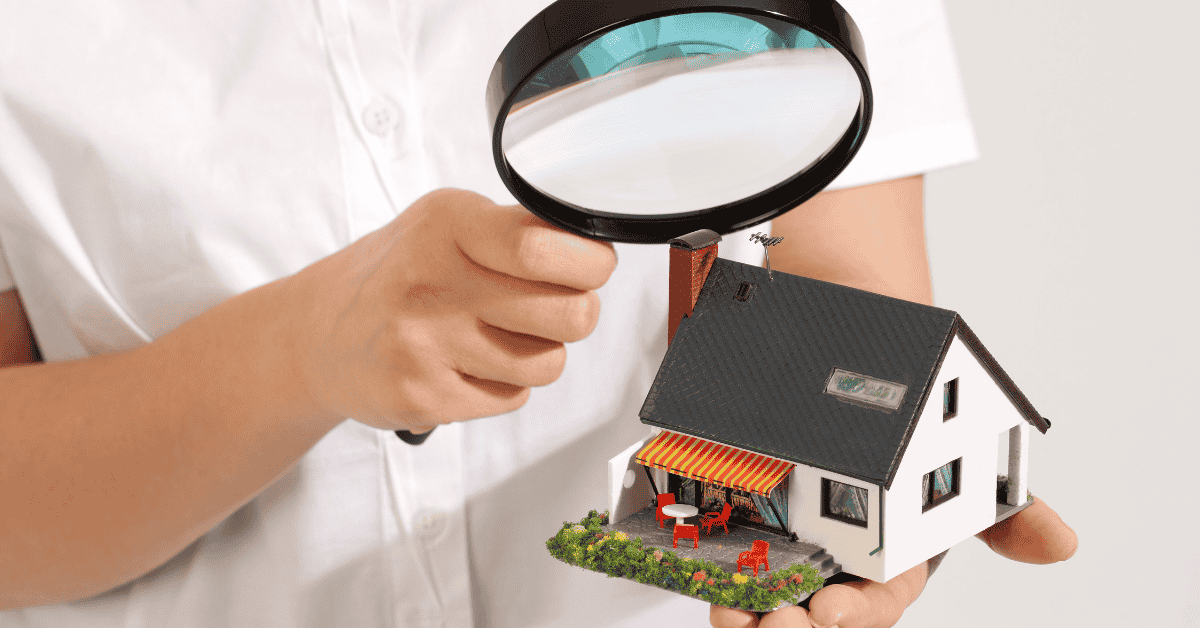
A home inspection is one of the most important parts of a real estate transaction. It helps buyers understand the true condition of a property before closing and can reveal issues that may affect safety, value, or future repair costs.
In markets like Atlanta, inspections are especially important because homes vary widely in age, condition, and maintenance history.
Here are some of the most common home inspection issues buyers and sellers should understand.
1. Roof Problems
Roof issues are among the most common inspection findings.
Inspectors often check for:
- Missing or damaged shingles
- Leaks or water damage
- Poor drainage or flashing issues
- Aging roofs nearing replacement
Roof repairs can become expensive quickly, so buyers pay close attention to roof condition.
2. HVAC System Concerns
Heating and cooling systems are critical for comfort and efficiency.
Common issues include:
- Old or poorly maintained units
- Dirty filters or blocked airflow
- Uneven cooling or heating
- Signs of system failure
In areas like Alpharetta, hot summers make HVAC performance especially important.
3. Plumbing Issues
Plumbing problems range from small leaks to major pipe concerns.
Inspectors commonly find:
- Leaking faucets or pipes
- Low water pressure
- Corroded plumbing
- Drainage or sewer issues
Water damage can lead to costly long-term repairs if ignored.
4. Electrical Problems
Older homes often have outdated electrical systems.
Common findings include:
- Improper wiring
- Overloaded panels
- Missing GFCI outlets
- Unsafe or outdated electrical components
Electrical safety concerns are taken seriously during inspections.
5. Foundation and Structural Concerns
Structural issues can significantly affect property value.
Inspectors look for:
- Cracks in walls or foundation
- Uneven floors
- Moisture intrusion
- Signs of settling
Not all cracks are serious, but major structural problems require professional evaluation.
6. Water Damage and Moisture Problems
Moisture issues are very common and can lead to mold or structural damage.
Signs include:
- Stains on ceilings or walls
- Mold or mildew smells
- Poor drainage around the home
- Basement or crawl space moisture
In humid climates like Atlanta, moisture control is especially important.
7. Window and Door Problems
Inspectors also evaluate functionality and sealing.
Common issues:
- Broken seals or condensation
- Poor insulation
- Doors that don’t close properly
- Drafts and air leaks
These issues can affect energy efficiency and comfort.
8. Pest or Termite Damage
Wood-destroying insects can create major hidden damage.
Inspectors may identify:
- Active termites
- Previous termite repairs
- Wood rot or damage
- Conditions that attract pests
In regions like Johns Creek, termite inspections are often considered essential.
9. Poor Maintenance and Deferred Repairs
Sometimes the issue isn’t one major defect—but many small neglected items.
Examples include:
- Peeling paint
- Broken fixtures
- Worn flooring
- Missing caulking or seals
Deferred maintenance can signal larger hidden problems.
10. Safety and Code Issues
Inspectors also identify safety concerns.
Examples include:
- Missing smoke detectors
- Unsafe stairs or railings
- Improper ventilation
- Faulty garage door systems
Safety issues can impact both insurance and financing.
Final Thoughts
Home inspections are not designed to “kill deals”—they are meant to provide clarity and protection.
The most common inspection issues include:
- Roof and HVAC problems
- Plumbing and electrical concerns
- Moisture and structural issues
- Pest damage and maintenance neglect
- General safety concerns
Because in real estate,
understanding a home’s condition before closing is always better than discovering problems after moving in.
--
Tina Jingru Sui 隋静儒
Associate Broker | Team Leader of TJS Team, Keller Williams
 Serving Metro Atlanta — Johns Creek, Alpharetta, Duluth, Suwanee, Buford, and beyond
 404-375-2120


 WeChat: tinasuirealty
 Follow me on Instagram / 小红书 / WeChat / Facebook