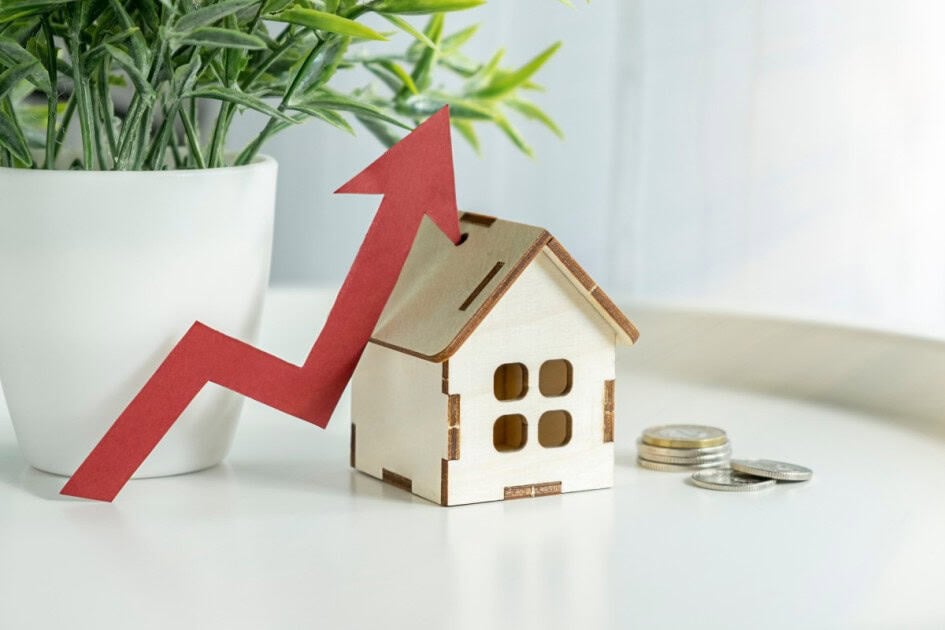
The Most Important Factors That Influence Home Value
Whether you're buying, selling, or simply monitoring your investment, understanding what influences home value is essential. A property's value is determined by a combination of factors, some related to the home itself and others connected to the surrounding area and overall market conditions.
While no two homes are exactly alike, certain factors consistently play a major role in determining how much a property is worth. Here are the most important influences on home value.
Location
The old real estate saying "location, location, location" remains true.
A home's location often has the greatest impact on its value.
Important location factors include:
- Proximity to employment centers
- Access to major roads and transportation
- Nearby shopping and dining
- Community amenities
- Neighborhood reputation
Even two similar homes can have significantly different values based solely on location.
School District Quality
For many buyers, access to quality schools is a top priority.
Homes located in desirable school districts often:
- Attract more buyer interest
- Maintain stronger resale value
- Experience greater demand
Even buyers without children may benefit from the added market appeal of highly rated schools.
Property Size
The size of both the home and the lot can influence value.
Buyers often consider:
- Total square footage
- Number of bedrooms
- Number of bathrooms
- Lot size
- Storage space
While larger homes generally command higher prices, functionality and layout also matter.
Home Condition
The overall condition of a property significantly affects its value.
Buyers typically prefer homes that are:
- Well-maintained
- Structurally sound
- Clean and updated
- Free from major repair issues
Properties requiring extensive repairs may sell for less due to the additional costs buyers anticipate.
Upgrades and Renovations
Strategic improvements can increase a home's appeal and market value.
Common upgrades include:
- Kitchen remodels
- Bathroom updates
- New flooring
- Energy-efficient improvements
- Modern lighting and fixtures
However, not all renovations provide the same return on investment, so thoughtful upgrades are important.
Curb Appeal
First impressions can influence buyer perceptions before they even enter the home.
Factors that enhance curb appeal include:
- Attractive landscaping
- Fresh exterior paint
- Well-maintained lawns
- Clean walkways and driveways
- Inviting entryways
A strong exterior presentation can positively affect perceived value.
Market Conditions
Real estate markets constantly change based on supply and demand.
Factors that influence market conditions include:
- Interest rates
- Housing inventory
- Local economic growth
- Employment trends
- Buyer demand
Strong demand and limited inventory often lead to higher home values.
Comparable Sales (Comps)
Recent sales of similar properties in the area are one of the primary tools used to determine value.
Appraisers and agents evaluate:
- Similar home size
- Comparable features
- Nearby locations
- Recent transaction prices
Comparable sales provide a benchmark for estimating market value.
Neighborhood Condition
The overall quality of the neighborhood affects property values.
Buyers often notice:
- Property maintenance
- Clean streets
- Community amenities
- Neighborhood appearance
- Nearby development
Well-maintained neighborhoods generally support stronger home values.
Energy Efficiency
Many modern buyers appreciate homes with energy-saving features.
Examples include:
- Updated insulation
- Energy-efficient windows
- Smart thermostats
- Solar panels
- High-efficiency HVAC systems
These features can reduce operating costs and increase buyer interest.
Age of the Home
A home's age can influence value in different ways.
Older homes may offer:
- Unique architectural character
- Established neighborhoods
- Larger lots
Newer homes may provide:
- Modern layouts
- Updated systems
- Lower maintenance needs
Condition and upkeep often matter more than age alone.
Floor Plan and Functionality
How a home functions is often as important as its size.
Buyers typically value:
- Open living spaces
- Practical layouts
- Adequate storage
- Flexible-use rooms
- Natural flow between spaces
A well-designed floor plan can increase desirability and market value.
Nearby Amenities
Convenient access to amenities often attracts buyers.
Examples include:
- Parks and green spaces
- Restaurants
- Grocery stores
- Fitness centers
- Entertainment venues
Accessibility can enhance both lifestyle appeal and property value.
Future Development Potential
Planned improvements in the surrounding area may influence future home values.
Potential developments include:
- New schools
- Transportation projects
- Commercial centers
- Community improvements
Positive growth can increase buyer confidence and long-term demand.
Overall Economic Conditions
Broader economic factors also impact home values.
Examples include:
- Employment rates
- Wage growth
- Inflation
- Consumer confidence
- Lending conditions
A healthy economy often supports a stronger housing market.
Final Thoughts
Home value is influenced by a wide range of factors, including location, school quality, property condition, market trends, neighborhood characteristics, and buyer demand. While some factors are beyond a homeowner's control, many—such as maintenance, curb appeal, upgrades, and energy efficiency—can be actively improved.
Understanding these influences can help buyers make informed purchasing decisions, assist sellers in preparing their homes for the market, and allow homeowners to better protect and grow the value of their investment over time.
--
Tina Jingru Sui 隋静儒
Associate Broker | Team Leader of TJS Team, Keller Williams
 Serving Metro Atlanta — Johns Creek, Alpharetta, Duluth, Suwanee, Buford, and beyond
 404-375-2120


 WeChat: tinasuirealty
 Follow me on Instagram / 小红书 / WeChat / Facebook