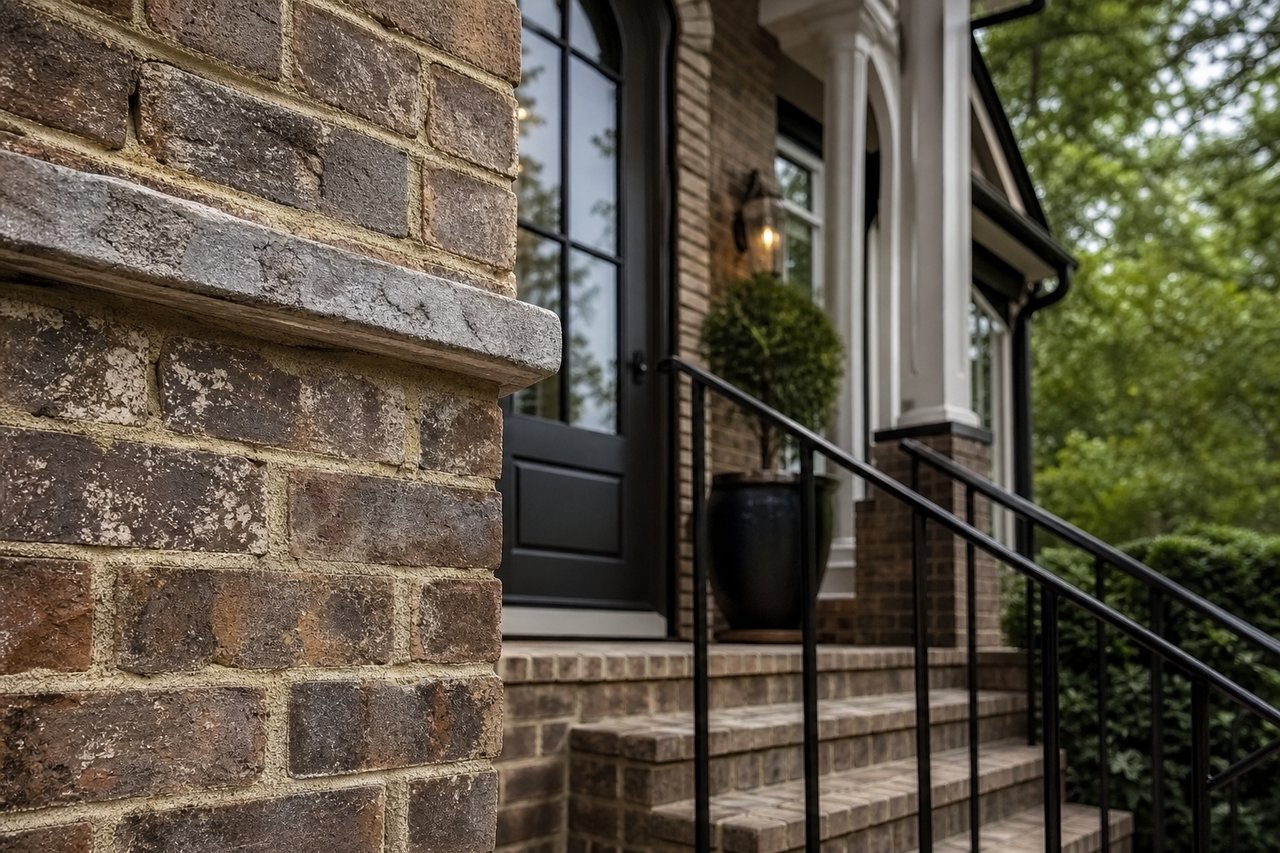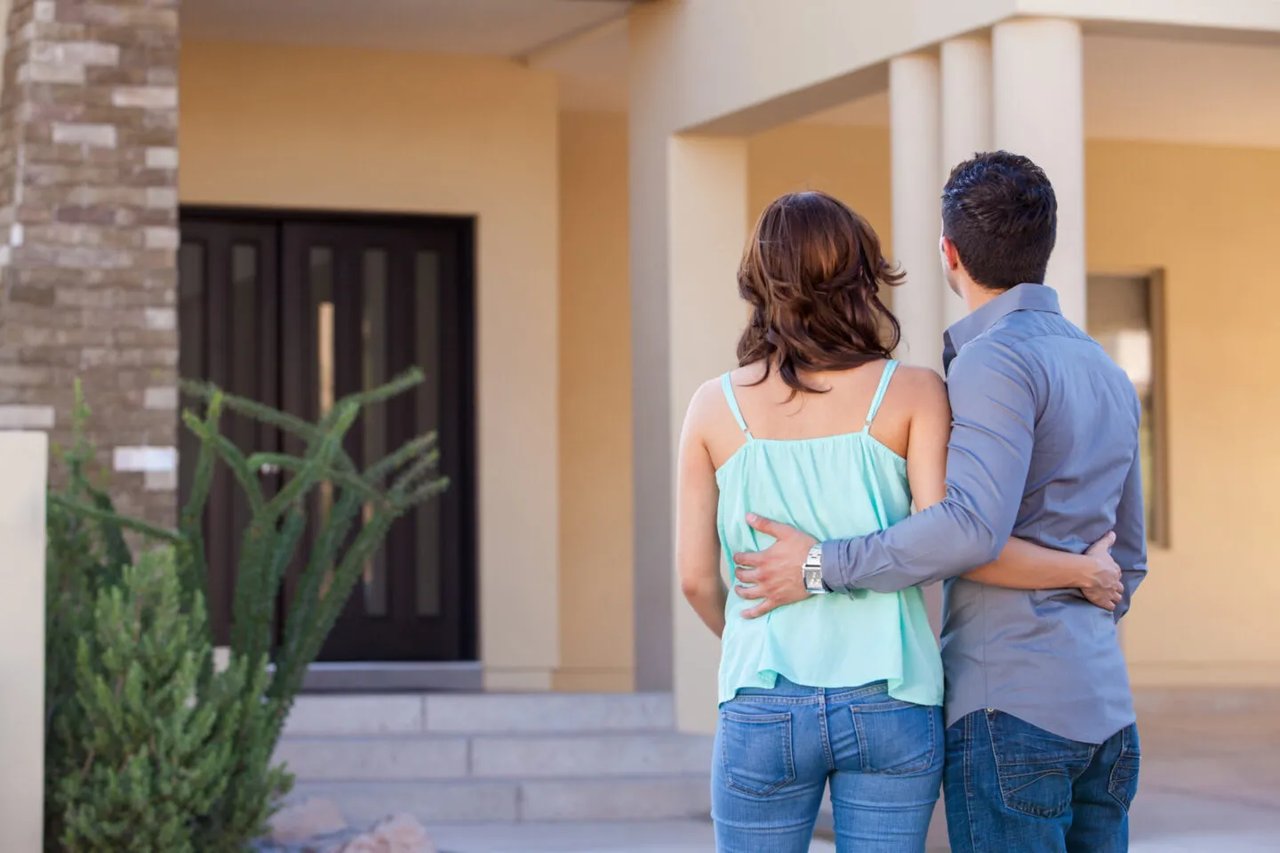
A successful open house is designed to help a home look its best. That is not a problem—but buyers should remember that great staging, fresh paint, lighting, and décor can draw attention away from things that matter just as much: floor-plan functionality, storage, property condition, major systems, noise, location, monthly ownership costs, and the price relative to comparable homes.
The Open House Illusion: What Buyers Notice—and What They Miss
A beautiful open house can make a strong first impression, but buyers should look beyond staging. Learn what to check before deciding whether a home is really the right fit.
Walking into a beautifully prepared open house can be exciting.
The lights are on.
The countertops are clear.
The furniture fits perfectly.
The home may even smell fresh and feel brighter than you expected.
Within a few minutes, it is easy to start imagining yourself living there.
That emotional reaction is completely normal.
But it is also exactly why buyers should slow down enough to ask:
“Do I love this house—or do I love how this house is being presented to me right now?”
What Buyers Notice First vs. What They Often Miss
Easy to Notice | Easy to Miss |
|---|---|
Beautiful kitchen | Roof, HVAC, plumbing, electrical, drainage |
Stylish furniture | Actual room dimensions and furniture placement |
Fresh paint | Storage, closets, utility areas, deferred maintenance |
Large backyard | Drainage, privacy, slope, usability, maintenance |
Decorative lighting | Natural light at other times of day |
Beautiful interior | Traffic, parking, noise, commute, surrounding properties |
1. Staging Can Change How Large a Room Feels
Professional staging can help buyers understand how a space might be used.
It can also make rooms feel more spacious by using:
- Smaller-scale furniture.
- Minimal décor.
- Strategic furniture placement.
- Mirrors.
- Light colors.
That is useful—but buyers should still evaluate the actual room.
Ask yourself:
- Will my sofa fit?
- Where would the television go?
- Can I open doors and drawers comfortably?
- Is there enough space around the dining table?
- Would a larger bed make this bedroom feel tight?
Staging helps explain a room. It does not change the room's actual dimensions.
2. Functionality Matters More After the Furniture Is Gone
Buyers often focus on square footage.
But a larger home is not automatically more functional.
Pay attention to:
- Room-to-room flow.
- Hallway space.
- Furniture walls.
- Kitchen work areas.
- Laundry location.
- Storage.
- Bedroom placement.
- Whether important rooms actually serve your intended use.
Don't evaluate square footage alone.
Evaluate how much of that space you can actually use.
3. Look at the House, Not Just the Finishes
Fresh paint and beautiful décor can command attention.
Buyers should also slow down and look for visible condition issues.
Depending on the property, you may notice:
- Water staining.
- Damaged flooring.
- Cracked or deteriorated caulk.
- Loose railings.
- Damaged trim.
- Visible exterior deterioration.
- Standing water or erosion.
But visual observations should be kept in perspective.
A stain does not automatically mean there is an active leak.
A crack does not automatically establish a structural problem.
Those observations may simply identify an area that deserves more investigation.
Open the Closets
Buyers sometimes feel uncomfortable opening doors during an open house.
But closets, pantry space, cabinets, and storage areas are part of the home.
When appropriate and permitted, look at:
- Closet depth.
- Pantry capacity.
- Kitchen cabinet storage.
- Laundry storage.
- Garage storage.
4. The Expensive Parts of the House May Be the Least Exciting Parts
Buyers naturally notice countertops.
They are less likely to become excited about:
- Roof.
- HVAC.
- Water heater.
- Plumbing.
- Electrical system.
- Windows.
- Drainage.
Yet those components can affect future maintenance exposure.
Ask what information is available about:
Age + Condition + Maintenance History + Known Repairs + Replacement History
The backsplash may be what catches your eye.
The roof, HVAC, plumbing, drainage, and electrical systems may have a much larger impact on your future budget.
Remember that an older system is not automatically defective or due for immediate replacement.
Condition matters more than age alone.
5. Open House Lighting Can Change the Feel of the Home
During an open house, sellers often turn on every light.
Curtains may be open, blinds raised, and lamps strategically placed.
That can make the home feel bright and welcoming.
But buyers should separate:
Artificial Lighting vs. Natural Light
Notice:
- Window size.
- Window direction.
- Nearby trees.
- Neighboring structures.
- Covered porches.
A room that looks very bright at a 2:00 p.m. open house may feel different at 8:00 a.m.
6. Stop Talking for One Minute and Listen
Open houses can be busy.
Buyers, agents, music, and conversation can make it difficult to notice the normal sound environment.
Take a quiet moment in:
- The primary bedroom.
- The backyard.
- Rooms facing the road.
Listen for recurring external sounds such as:
- Traffic.
- Rail or aircraft activity.
- Nearby commercial activity.
- Mechanical equipment.
- Construction.
One open house cannot tell you what every hour will sound like.
If noise is especially important to you, observing the area from public spaces at other times may provide useful context.
7. A Big Backyard Is Not Automatically a Great Backyard
Buyers often respond emotionally to outdoor space.
But look beyond size.
Consider:
- Slope.
- Privacy.
- Drainage.
- Tree coverage.
- Maintenance requirements.
- Patio or deck usability.
- Relationship to neighboring properties.
Outdoor space should be evaluated by usability—not acreage alone.
8. Don't Leave Without Touring the Block
The open house shows you the property.
It does not necessarily show you what living there will feel like.
Before or after the showing, take time to observe:
- Traffic.
- Parking.
- Sidewalks.
- Nearby roads.
- Nearby commercial uses.
- Neighboring property conditions.
- Possible nearby development.
Keep observations focused on objective property and location characteristics—not assumptions about the people living nearby or protected characteristics.
9. The Most Beautiful House Still Has to Make Sense at the Price
Emotional attachment can make price analysis difficult.
Once you love the home, you may begin justifying almost any number.
Before making an offer, compare:
- Relevant recent closed sales.
- Active competition.
- Pending listings when useful information is available.
- Condition differences.
- Renovation level.
- Lot.
- Basement.
- Floor-plan functionality.
A beautifully staged home can still be overpriced.
A cosmetically dated home can still offer strong value.
10. Don't Forget the Cost of Owning the Home
The open house may focus your attention on the purchase price.
Your real budget should also consider:
Mortgage + Property Taxes + Insurance + HOA + Utilities + Maintenance + Repair Exposure
= A More Complete Affordability Picture
A beautiful home that leaves no room in your budget for maintenance or savings may not be the right financial fit.
11. Emotion Is Useful—Just Don't Let It Do All the Math
Buying a home is emotional.
It should be.
You are choosing where you may spend a significant part of your daily life.
But emotional fit and financial analysis should work together.
Emotional Question | Analytical Question |
|---|---|
Do I love the kitchen? | Does the home make sense at this price? |
Can I imagine living here? | Does the floor plan support my real daily routine? |
Is the backyard beautiful? | Is it usable and manageable for me? |
Does the home feel perfect? | What trade-offs am I accepting? |
12. An Open House Is Not a Home Inspection
Even a careful buyer cannot fully evaluate a property's physical condition during a short open house.
If you move forward with a property and your contract provides an opportunity for due diligence, a professional home inspection can help evaluate visible and accessible components within the inspector's scope.
Depending on what is discovered, additional evaluation by an appropriate specialist may also be useful.
Examples can include:
- HVAC contractor.
- Licensed plumber.
- Electrician.
- Roofer.
- Engineer or other qualified professional when warranted.
An inspection can provide important information, but it cannot guarantee that every hidden or future defect will be discovered.
The Open House Reality-Check List
☐ Imagine the rooms without staging
☐ Think about where your actual furniture would go
☐ Open closets and evaluate usable storage when appropriate
☐ Look for visible maintenance concerns
☐ Ask about roof and major-system history
☐ Separate artificial lighting from natural light
☐ Stop and listen for external noise
☐ Evaluate backyard privacy, slope, drainage, and usability
☐ Tour the immediate block
☐ Review relevant comparable sales
☐ Calculate the complete ownership cost
☐ Identify the property's real trade-offs before deciding how much to offer
Look past:
Staging + Décor + Fresh Paint
And evaluate:
Price + Condition + Function + Major Systems + Location + Ownership Cost + Long-Term Fit
Frequently Asked Questions
What should I look for at an open house besides finishes?
Look at floor-plan functionality, room dimensions, storage, visible property condition, major-system information, natural light, noise, outdoor usability, parking, traffic, and the surrounding area. Then compare the home's price with relevant market evidence.
Can staging make a room look larger?
Staging can influence how buyers perceive scale and function through furniture size, placement, lighting, and décor. Buyers should consider actual dimensions and whether their own furniture and intended use will work in the space.
Should I worry if the HVAC or roof is old?
Age deserves consideration, but age alone does not establish a defect or immediate replacement need. Review actual condition, maintenance history, inspection findings, known repairs, and expected future maintenance exposure.
Can I inspect a home myself during an open house?
You can make ordinary visual observations and ask questions, but an open house is not a substitute for a professional inspection or other appropriate due diligence. Do not move personal belongings or access areas that are restricted by the seller or listing agent.
Should I make an offer immediately if I love the house?
The appropriate timing depends on market conditions and the specific property. Before deciding on price and terms, understand relevant comps, competition, condition, financing, ownership costs, and your own maximum budget.
Does a beautifully renovated home automatically have better value?
No. Renovation quality can affect buyer appeal, but value should still be evaluated relative to location, condition, size, floor plan, lot, comparable sales, market competition, and the price being requested.
Final Thoughts
A great open house should help you see the potential of a home.
But your job as a buyer is to see beyond the presentation.
Look at:
Staging + Layout + Condition + Systems + Location + Price + Ownership Cost + Trade-Offs
The prettiest home is not automatically the best purchase.
And the home that looks a little dated is not automatically the worse choice.
The better question is:
“When I take away the furniture, décor, and emotional first impression, does this property still make sense for my budget, lifestyle, and long-term plans?”
Found a Metro Atlanta Home You Love?
Before deciding what to offer, we can help you look past the staging and evaluate the property's relevant comps, listing history, current competition, floor plan, condition, major systems, lot, HOA, location factors, and overall ownership costs so you can make a decision based on both the emotional fit and the numbers.
Tina Jingru Sui | TJS Team
Search Metro Atlanta Homes at TinaSui.com →
About Tina Jingru Sui
Tina Jingru Sui is the founder and leader of the TJS Team, serving buyers, sellers, investors, and relocation clients throughout Metro Atlanta.
Tina and her team serve communities including Johns Creek, Alpharetta, Suwanee, Duluth, Buford, Dacula, Marietta, Roswell, Sandy Springs, Smyrna, Lawrenceville, and surrounding Metro Atlanta areas.
Keller Williams Atlanta Partners · (404) 375-2120
This article is provided for general informational and educational purposes only and does not constitute legal, inspection, engineering, appraisal, lending, financial, tax, investment, or other professional advice. An open-house visit is not a substitute for professional inspection or other appropriate due diligence. Visual observations such as stains, cracks, wear, grading, or other conditions do not by themselves establish the cause, severity, or existence of a defect. The age of a roof, HVAC system, water heater, plumbing, electrical system, windows, or other component does not automatically mean it is defective or must be replaced. Home inspections have scope and accessibility limitations and cannot guarantee discovery of every hidden or future defect. Property values, market conditions, seller concessions, inspection outcomes, appraisal results, and future ownership costs cannot be guaranteed. Buyers should independently verify material property information and consult appropriate inspectors, contractors, engineers, lenders, attorneys, tax professionals, insurance professionals, and other qualified professionals when needed. Observations about surrounding properties or residents should be limited to objective property and location factors and not assumptions based on race, color, religion, sex, disability, familial status, national origin, or other legally protected characteristics. Equal Housing Opportunity. Tina Jingru Sui, GA License #392936, REALTOR®, affiliated with Keller Williams Atlanta Partners and regulated by the Georgia Real Estate Commission.