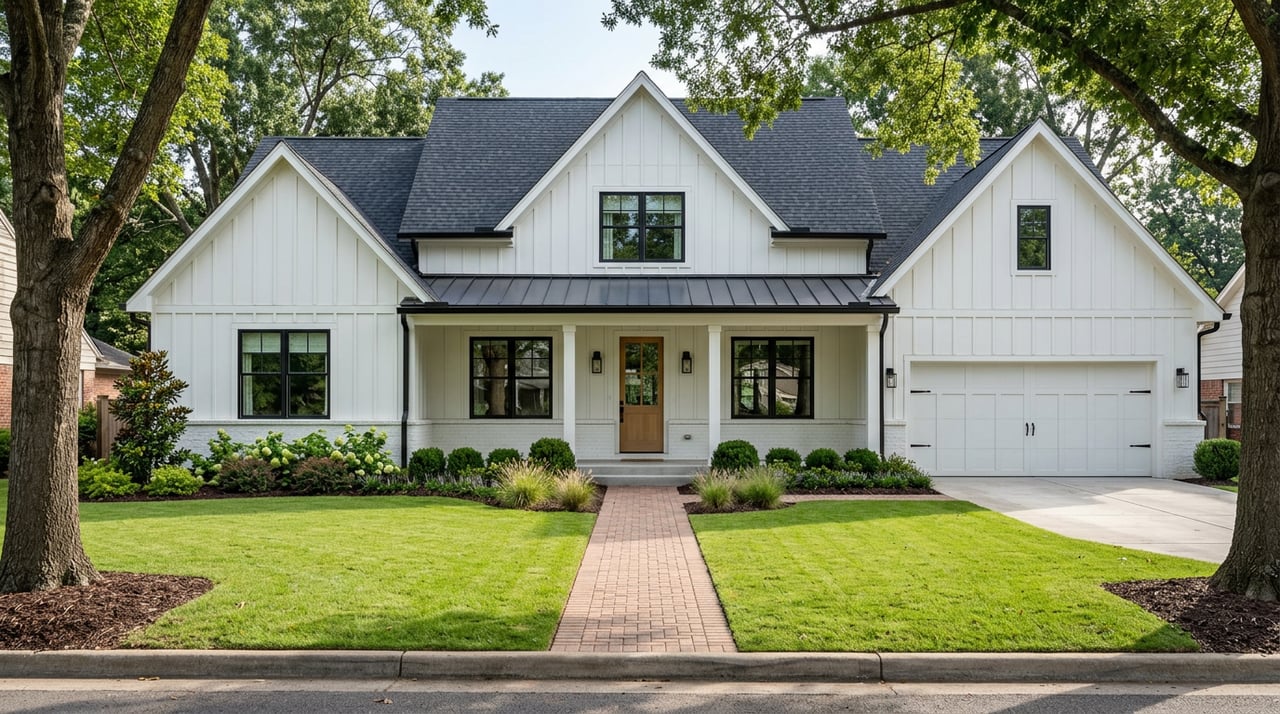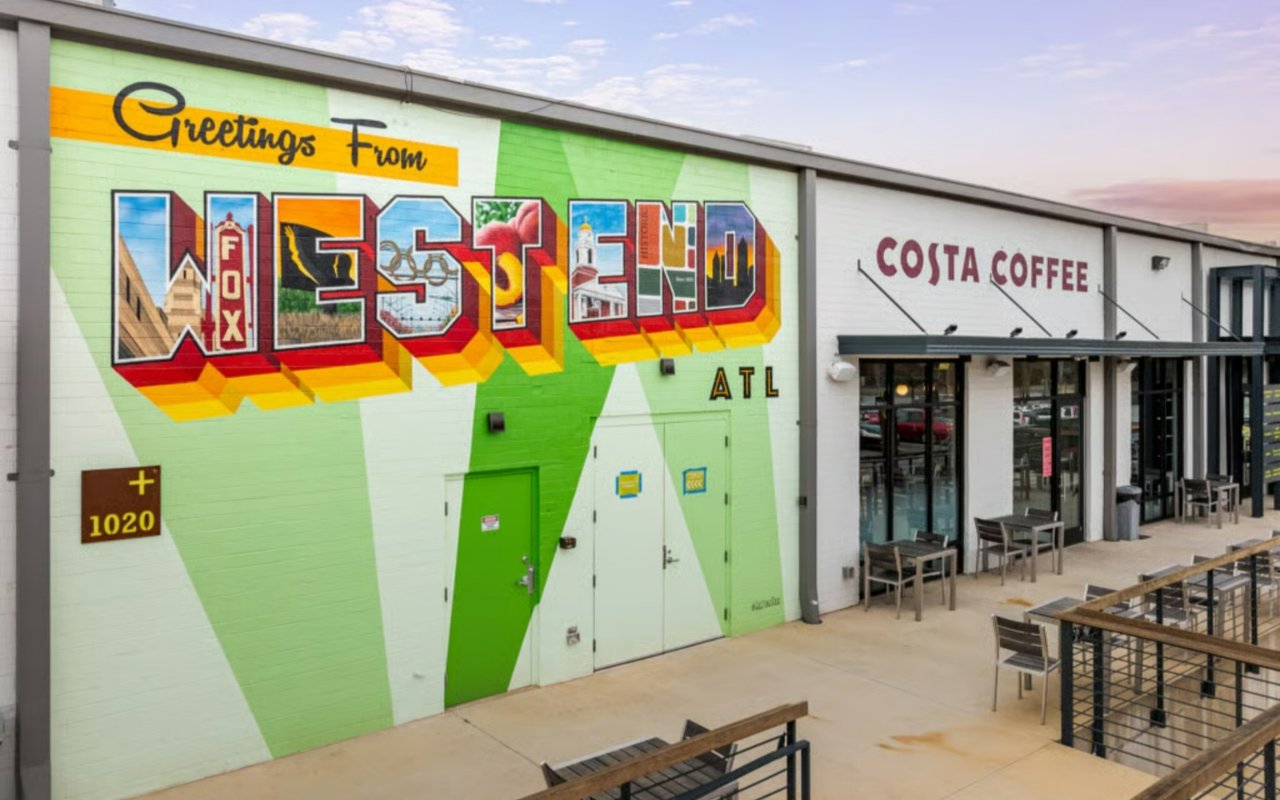
Atlanta’s West End is a historic, walkable, and culturally rich neighborhood that’s been drawing attention for both its charm and change. In this post, we’ll explore the key pros and cons of living in West End—so whether you’re a buyer, seller, or investor, you’ll get a clear picture of what makes this neighborhood stand out and what to watch out for.
1. Rich History & Architectural Character
West End is one of Atlanta’s oldest neighborhoods and has earned a spot on the National Register of Historic Places. You’ll find beautiful craftsman bungalows, Queen Anne, Folk Victorian, and Colonial Revival homes—a vivid architectural tapestry.
2. Strong Community Vibe
Long-term residents and newcomers alike praise the friendly, tight-knit feel of West End. One review shared:
“Wonderful neighbors and community. I lived in West End and loved it.”
Source: Reddit
3. Walkability, Parks & BeltLine Access
The BeltLine’s Westside Trail runs through West End, offering 3.2 miles of scenic walking and biking paths. The neighborhood also features multiple parks, adding healthy outdoor spaces to the urban mix.
4. Transit & Connectivity
West End is highly transit-oriented. The MARTA West End Station (Red and Gold lines) serves the area, plus numerous bus routes—making downtown and campus commuting easier.
5. Affordable Housing & Strong Value
Home prices remain attractive compared to wider Atlanta. Estimates vary—some place the median around $190K, others at $299K–$310K (StreetAdvisor, Axios, PODS, Niche). Overall, the cost of living in West End is around 9% lower than Atlanta and 5% lower than the national average.
6. Cultural Density & Local Flavor
The neighborhood is a hub for Afrocentric culture—home to Hammonds House Museum, The Wren’s Nest (Joel Chandler Harris’s home), the Shrine of the Black Madonna, and a host of local eateries and artisan retailers.
7. Ongoing Revitalization
West End is undergoing significant redevelopment with projects like Lee + White and a major revamp of the Mall West End (bringing retail, housing, and even a hotel by 2026).
The Cons of Living in West End
1. Gentrification & Displacement
Rising property values and new development risk pushing out long-time residents, particularly Black community members. One community leader noted how development ahead of affordable housing contributed to cultural displacement—but also described efforts (like Pittsburgh Yards) aiming for inclusive growth. West End ranks among the fastest-gentrifying neighborhoods on the city’s west side.
2. Uneven Development & Neighborhood Variability
While some areas have seen beautiful restorations and new builds, others still feel rough or underdeveloped. As one review put it:
“Pros: Great selection of cheap diamond-in-the-rough homes. Crime was not a problem Friendly, working class neighbors but we certainly hear fights, gunshots.”
Source: Reddit
Another review noted that the “vibe can vary depending on the street”—so exploring is key.
Source: Reddit
3. Preservation vs. Modernization Tensions
A debate over maintaining historic charm erupted when a homeowner was approved to install visible solar panels—some preservation advocates argued it compromised the character of the historic district. Source: Axios
Quick Comparison
| Aspect | Pros | Cons |
|---|---|---|
| Architectural Character | Authentic historic homes and charm | Preservation rules may limit modern upgrades |
| Community Atmosphere | Friendly, engaged, inclusive | Neighborhood feel can vary block to block |
| Transit & Green Spaces | BeltLine trails, parks, MARTA access | Some parts still lag in amenities or safety |
| Affordability | Below city and national averages | Gentrification is driving up prices |
| Cultural Assets | Strong Afrocentric institutions and vibrant local culture | Cultural displacement risk |
Final Thoughts
West End offers a unique blend of history, walkability, culture, and affordability—making it a compelling option for buyers looking for character-rich, transit-friendly living. But it’s not without its growing pains: gentrification, uneven pockets, and preservation debates add layers of complexity.
Thinking about making the jump—or curious how West End compares to nearby neighborhoods like Westview or Adair Park? Reach out or explore my other blog posts on intown Atlanta neighborhoods to help you make a confident move forward.
Thinking About Selling Your Atlanta Home?
Whether you’re planning to sell in the next few months or just starting to explore your options, the key is preparation. A strong listing strategy, staging, and pricing plan will always outweigh seasonality.