The Real Estate Inspection: What Buyers Should Pay Attention To
SEO Title: The Real Estate Inspection: What Buyers Should Pay Attention To
SEO Subtitle: A simple guide to the key areas buyers should review during a home inspection before purchasing a property
Buying a home is a major investment.
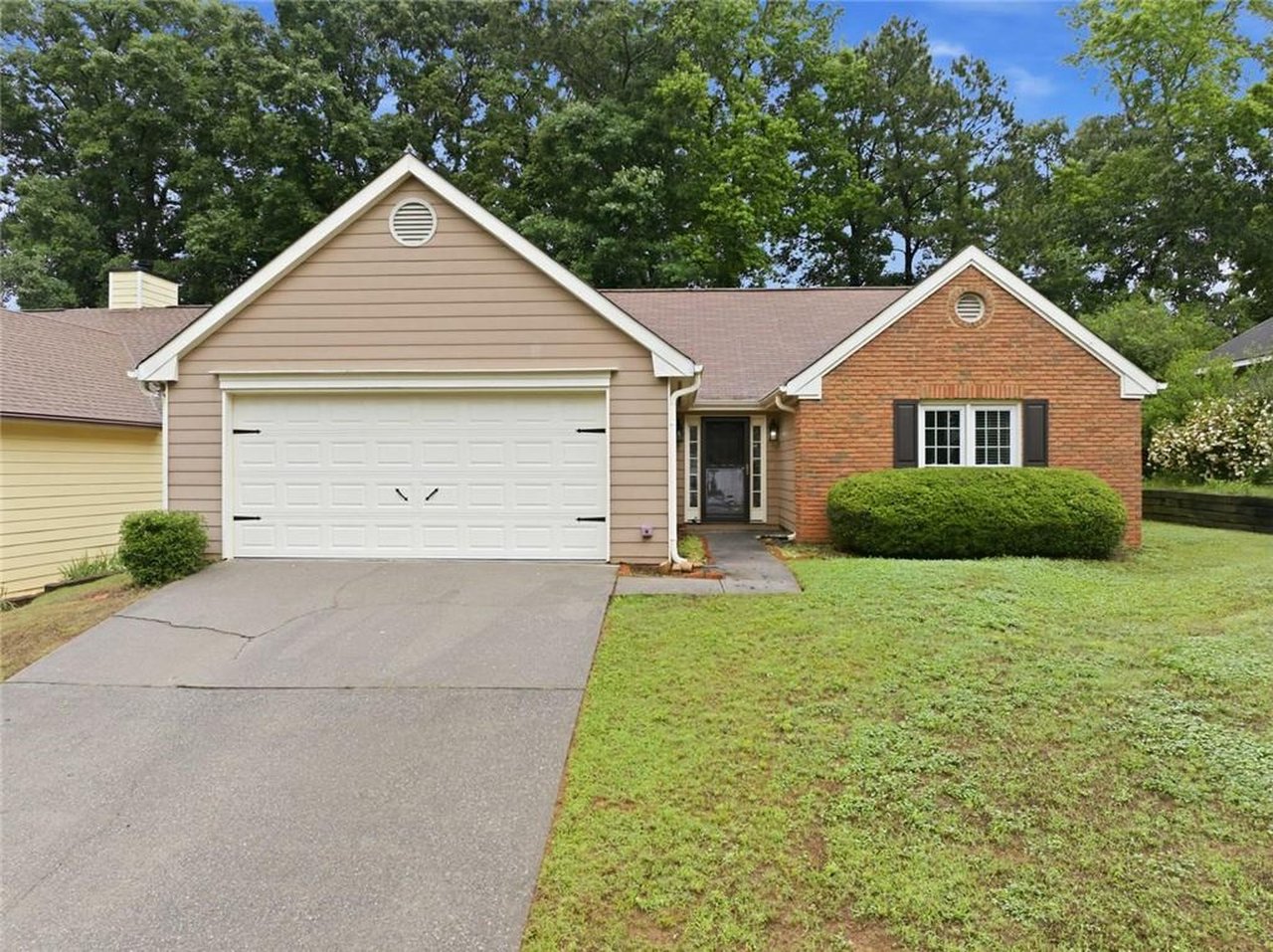
A house may look beautiful during a showing, but there can be problems that aren't immediately visible.
That's why a home inspection can be an important part of the buying process.
An inspection doesn't mean the home needs to be perfect. Instead, it can help buyers understand the property's condition and identify potential concerns.
Here are some of the main areas buyers should pay attention to.
1. The Roof
The roof protects the entire home, so its condition matters.
During an inspection, look for potential signs of:
- Missing or damaged shingles
- Leaks
- Water stains
- Poor drainage
- Aging materials
Ask about the roof's approximate age and whether there are records of recent repairs or replacement.
2. Foundation and Structure
Structural issues can be expensive to repair.
Inspectors may look for signs such as:
- Significant cracks
- Uneven floors
- Doors that don't close properly
- Foundation movement
- Moisture problems
Not every crack means there is a serious structural problem, but concerns should be properly evaluated.
3. Plumbing
Plumbing problems can sometimes be hidden behind walls or under floors.
Pay attention to:
- Water pressure
- Leaking pipes
- Drainage
- Water heaters
- Visible corrosion
- Signs of previous water damage
Small plumbing issues can become larger problems if they are ignored.
4. Electrical System
The electrical system is another important area.
An inspection may identify concerns involving:
- Outdated wiring
- Electrical panels
- Missing outlets
- Improper connections
- Non-functioning switches
- Safety issues
Electrical problems should be taken seriously because they can create safety risks.
5. HVAC System
Heating and cooling systems can be expensive to replace.
Ask about:
- Approximate system age
- Maintenance history
- Heating performance
- Cooling performance
- Visible damage
- Unusual noises
A system doesn't necessarily need to be new, but buyers should understand its condition and potential future costs.
6. Windows and Doors
Windows and doors affect comfort, security, and energy efficiency.
Check whether they:
- Open properly
- Close securely
- Lock correctly
- Have damaged glass
- Show signs of moisture
Older windows aren't automatically a problem, but replacement costs can be significant.
7. Water Damage
Water can cause serious problems if it gets into areas where it shouldn't.
Look for signs such as:
- Ceiling stains
- Wall discoloration
- Musty odors
- Damaged flooring
- Mold-like growth
- Moisture around plumbing
If there are signs of previous water damage, ask what caused it and whether repairs were completed.
8. Attic and Insulation
The attic can provide useful information about the home's condition.
Inspectors may look at:
- Insulation
- Ventilation
- Moisture
- Roof structure
- Signs of pests
Poor ventilation or moisture problems can contribute to long-term damage.
9. Basement or Crawl Space
If the property has a basement or crawl space, don't ignore it.
Check for:
- Water intrusion
- Dampness
- Cracks
- Poor ventilation
- Pest activity
- Structural concerns
These areas can reveal problems that aren't visible in the main living spaces.
10. Exterior and Drainage
Walk around the outside of the home.
Pay attention to:
- Grading
- Gutters
- Downspouts
- Siding
- Exterior doors
- Driveways
- Landscaping near the foundation
Water should generally be directed away from the house rather than toward it.
Not Every Inspection Issue Is a Deal Breaker
This is important.
A home inspection report may contain a long list of items.
Some may be minor maintenance recommendations.
Others may require immediate attention.
Don't panic simply because the report is several pages long.
Instead, focus on understanding:
What is urgent?
What could become expensive?
What affects safety?
What needs professional evaluation?
Ask Questions
If something in the inspection report isn't clear, ask for an explanation.
You may also need specialized professionals for certain concerns, such as:
- Structural issues
- Roofing
- Electrical systems
- Plumbing
- HVAC
- Pest problems
A general home inspection is helpful, but it doesn't replace specialized evaluations when a serious concern is identified.
The “Future Cost” Test
When reviewing inspection findings, ask:
“If I buy this home, what might I need to spend over the next few years?”
For example:
An older HVAC system may still work today, but you may want to budget for a future replacement.
An aging roof may not be leaking now, but its remaining useful life matters.
Understanding future costs can help you make a more informed decision.
Home Inspection Checklist
Before completing your purchase, make sure you understand:
☐ Roof condition
☐ Foundation and structure
☐ Plumbing
☐ Electrical system
☐ HVAC
☐ Windows and doors
☐ Water damage
☐ Attic and insulation
☐ Basement or crawl space
☐ Exterior and drainage
☐ Major repairs that may be needed
☐ Potential future expenses
Final Thoughts
A home inspection is not about finding a perfect house.
Every home has some maintenance needs.
The purpose is to understand what you're buying and identify issues that could affect your safety, budget, or long-term plans.
Don't focus only on the number of problems in the report.
Focus on which problems matter most and what they could cost to address.
Before buying, make sure you understand the home's condition—not just how beautiful it looks during the showing.
A good inspection can help turn a home purchase from an emotional decision into a more informed one.
--
Tina Jingru Sui 隋静儒
Associate Broker | Team Leader of TJS Team, Keller Williams
Serving Metro Atlanta — Johns Creek, Alpharetta, Duluth, Suwanee, Buford, and beyond
404-375-2120
WeChat: tinasuirealty
Follow me on Instagram / 小红书 / WeChat / Facebook