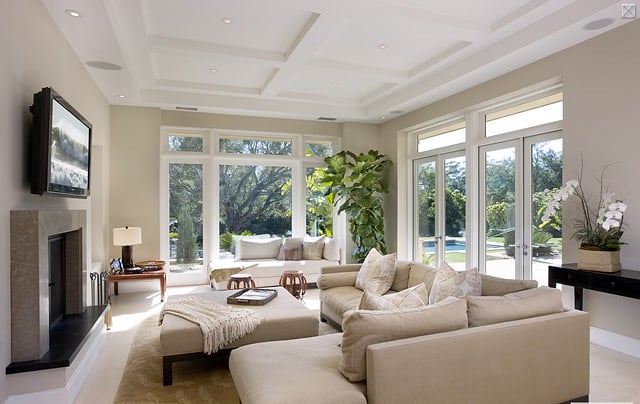
The Real Reason Some Homes Feel Comfortable Immediately
Have you ever walked into a home and instantly felt at ease, as if it “just works”? That immediate sense of comfort isn’t just luck—it’s a combination of design, layout, lighting, and balance that makes a house feel naturally livable. Understanding what creates this feeling can help buyers make smarter, more confident choices.
In markets like Atlanta, homes that offer this kind of instant comfort often attract buyers faster and maintain long-term value.
1. Functional Layout Creates Flow
A home that feels comfortable immediately usually has a logical layout. Spaces are connected in ways that make daily life effortless.
Consider these elements:
-
Clear flow between kitchen, dining, and living areas
-
Bedrooms positioned for privacy
-
Bathrooms accessible without crossing high-traffic zones
-
Flexible spaces that adapt to different needs
When a home’s layout supports daily routines naturally, it feels intuitive and welcoming.
2. Balanced Design Reduces Stress
Homes that are visually balanced tend to feel calm. Balanced design considers:
-
Proportions of rooms and furniture placement
-
Symmetry in architectural features
-
Harmonious color palettes
-
A mix of open spaces and cozy corners
This balance subconsciously signals order and stability, making occupants feel at ease from the moment they enter.
3. Natural Light and Ventilation Matter
Bright, airy spaces instantly enhance comfort. Natural light and proper airflow make rooms feel larger, fresher, and more inviting.
-
South- or west-facing windows can brighten key living areas
-
Good ventilation prevents stuffiness and reduces humidity
-
Sunlight and breezes improve both mood and energy efficiency
Homes with ample light and ventilation are not only more pleasant to live in—they remain appealing to future buyers.
4. Practical Features Support Everyday Life
Some homes feel comfortable immediately because they are designed for real-life living, not just appearances. Key features include:
-
Adequate storage and closet space
-
Well-sized kitchens and bathrooms
-
Easy-to-maintain flooring and surfaces
-
Outdoor spaces that complement indoor living
A home that accommodates daily needs smoothly creates a sense of ease that is immediately noticeable.
5. Location and Environment Contribute to Comfort
Comfort isn’t only about the home itself—the surrounding environment matters too.
-
Quiet streets and safe neighborhoods
-
Access to parks, schools, and amenities
-
Pleasant views or green spaces
A welcoming environment amplifies the sense of comfort inside the home.
6. Subtle Psychological Factors
Some aspects of comfort are less obvious but still influential:
-
Room proportions that feel neither cramped nor overwhelming
-
Consistent ceiling heights and natural lines
-
Harmonious contrasts between light and dark, hard and soft materials
These subtle factors make the home feel intuitively “right,” even before buyers consciously analyze it.
Final Thoughts
The homes that feel immediately comfortable are rarely perfect—they are functional, balanced, well-lit, practical, and situated in pleasant environments. In markets like Atlanta, understanding these elements helps buyers choose properties they will enjoy living in and that will hold value over time.
Ultimately, instant comfort is a combination of thoughtful design and practical functionality. Homes that get this right make life easier, stress-free, and enjoyable—today and for years to come.
--
Tina Jingru Sui 隋静儒
Associate Broker | Team Leader of TJS Team, Keller Williams
 Serving Metro Atlanta — Johns Creek, Alpharetta, Duluth, Suwanee, Buford, and beyond
 404-375-2120


 WeChat: tinasuirealty
 Follow me on Instagram / 小红书 / WeChat / Facebook