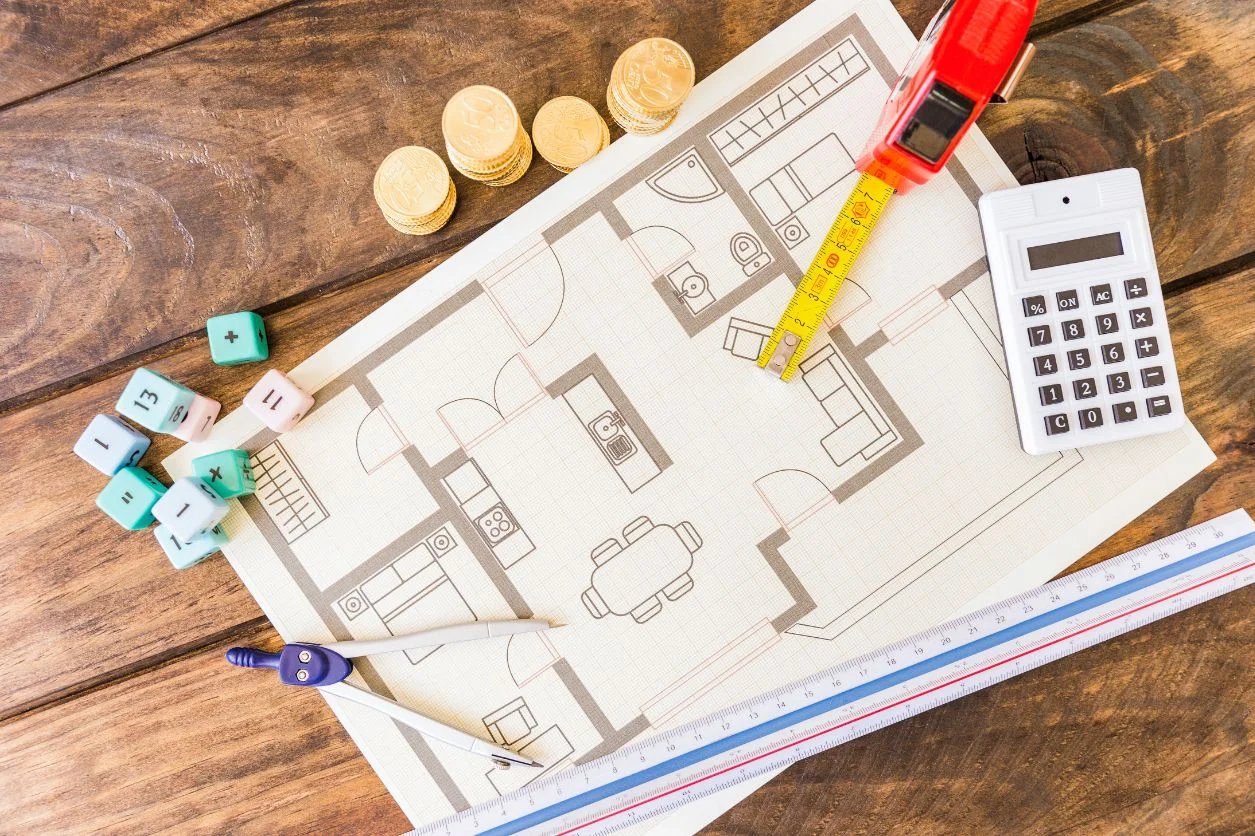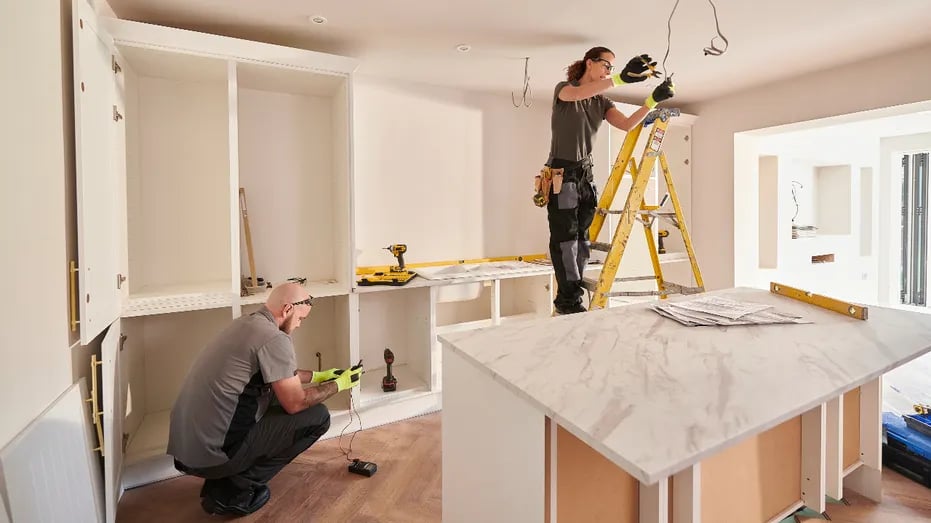
The most expensive renovation is not automatically the smartest renovation before selling. Sellers usually get more useful information by asking which improvements address a real buyer objection, improve presentation, correct deferred maintenance, or bring the home closer to what competing properties already offer. The goal is not to renovate everything—it is to spend where the market is most likely to notice.
The Renovation Receipt: Which Home Improvements Actually Matter to Buyers?
Before renovating your home to sell, learn which improvements may strengthen buyer appeal, which repairs deserve priority, and how to avoid over-improving for your neighborhood.
When sellers begin preparing a home for the market, it is easy for the project list to grow quickly.
Paint the whole house.
Replace the countertops.
Remodel the bathroom.
Install new flooring.
Replace the appliances.
Update the landscaping.
Suddenly, getting the house “ready to sell” has turned into a major renovation.
But before spending that money, sellers should ask a more useful question:
“What problem does this renovation solve, and is that problem important enough to buyers to justify the cost?”
Renovation cost and market value are not the same thing.
Spending $30,000 does not automatically add $30,000—or any guaranteed amount—to the sale price.
Start With the Right Order
Before considering major renovations, sellers can usually evaluate improvements in this order:
Repair → Clean → Declutter → Refresh → Improve Curb Appeal → Consider Major Renovations Last
That sequence matters because sellers sometimes spend heavily on a new backsplash while ignoring a leaking faucet, damaged trim, stained carpet, poor lighting, or visible exterior maintenance.
Not All Improvements Do the Same Job
Improvement Type | Primary Purpose |
|---|---|
Cosmetic | Improve visual presentation and first impressions |
Functional | Improve how the home works or how buyers use the space |
Condition / Maintenance | Address deterioration, deferred maintenance, or repair concerns |
Efficiency | Potentially improve comfort or certain operating costs |
1. Clean and Well-Maintained Often Matters More Than “Luxury”
A home does not necessarily need to look brand new.
But buyers often respond strongly to a home that feels:
- Clean.
- Bright.
- Well cared for.
- Easy to understand.
- Ready for normal use.
Relatively simple projects can sometimes make a meaningful presentation difference:
- Fresh neutral paint where needed.
- Deep cleaning.
- Carpet cleaning or targeted flooring repair.
- Replacing visibly dated or damaged light fixtures.
- Repairing loose hardware.
- Refreshing caulk and grout.
- Removing excess furniture and clutter.
Before making the home more luxurious, make sure it looks maintained.
2. Kitchens Matter—but a Full Remodel Is Not Always Necessary
Kitchens receive a lot of buyer attention because they are highly visible and expensive to renovate.
But that does not mean every seller needs to install a completely new kitchen.
Depending on the home's condition and competing properties, targeted improvements may include:
- Cabinet hardware.
- Lighting.
- Paint.
- Faucet replacement.
- Repairing damaged cabinet doors.
- Countertops when the existing surface materially hurts presentation.
- Replacing appliances when condition or appearance makes that appropriate.
Before committing to a full remodel, compare the home with the properties buyers will see at the same price point.
The question is not “Would a new kitchen look better?”
Of course it would.
The better question is: “Will the market recognize enough additional value or buyer appeal to justify the cost and time?”
3. Bathrooms Usually Benefit From “Clean and Functional” First
Bathrooms can influence how updated a home feels.
Before replacing everything, consider whether smaller corrections would solve the main presentation problems.
Examples include:
- Replacing worn fixtures.
- Updating lighting.
- Refreshing grout and caulk.
- Repairing leaks.
- Replacing damaged mirrors or hardware.
- Improving paint and presentation.
Highly personalized luxury selections can cost significantly more without necessarily creating the same value for every buyer.
4. Some of the Most Important Improvements Are Not Photogenic
Sellers naturally prefer spending money on something buyers can see.
But condition-related concerns can become extremely important during the transaction.
Major components may include:
- Roof.
- HVAC.
- Water heater.
- Plumbing.
- Electrical systems.
- Windows.
- Drainage.
- Exterior maintenance.
However, age alone does not mean a system is defective or must be replaced before selling.
A 15-year-old HVAC system that is operating properly is different from one with documented performance problems.
A better evaluation considers:
Age + Condition + Maintenance History + Known Issues + Market Expectations + Cost
Buyers may admire a new backsplash.
But a significant roof, plumbing, drainage, or HVAC concern may affect the decision much more.
5. Know the Difference Between a Repair and an Upgrade
Repair | Upgrade |
|---|---|
Fixing a leaking faucet | Installing a premium designer faucet |
Repairing damaged flooring | Replacing all flooring for aesthetic reasons |
Repairing a damaged cabinet door | Replacing the entire kitchen cabinetry |
Correcting visible deferred maintenance | Adding luxury features beyond competing homes |
When preparing a home for sale, resolving obvious repair items may deserve priority over adding upgrades that buyers did not expect in the first place.
6. Energy-Efficiency Improvements Can Matter—but Don't Assume a Guaranteed ROI
Improvements such as:
- Updated HVAC equipment.
- Insulation.
- Efficient windows.
- Certain appliances.
- Air sealing or related improvements.
may improve comfort or operating efficiency depending on the property.
But sellers should be careful about assuming a specific utility savings or resale premium.
The economic benefit depends on:
- The original condition.
- Installation cost.
- Utility rates.
- How the home is used.
- How long the owner keeps the property.
- Whether buyers in that market recognize a premium.
7. Curb Appeal Matters Before the Buyer Opens the Door
Exterior presentation can shape a buyer's first impression before the showing begins.
Depending on the property, useful projects may include:
- Trimming overgrown landscaping.
- Removing weeds.
- Cleaning exterior surfaces.
- Touching up peeling or damaged paint.
- Refreshing the front entry.
- Repairing visible exterior maintenance issues.
Curb appeal does not need to be expensive.
Clean, maintained, and intentional often matters more than elaborate landscaping.
8. One of the Biggest Risks Is Over-Improving
Imagine most comparable homes in your market have moderately updated kitchens.
You spend $100,000 creating a high-end luxury kitchen.
The renovation may be beautiful.
But buyers may not be willing to pay enough extra to reimburse the full cost.
That is why major renovations should be evaluated against:
- Recent relevant sales.
- Current competing listings.
- Typical condition in your price range.
- Buyer expectations.
- Your home's likely market position after the renovation.
Cost is what you spend.
Market value is what buyers are willing to recognize.
Those numbers are not automatically the same.
Renovating to Sell Is Different From Renovating to Enjoy
If You're Staying Long-Term | If You're Selling Soon |
|---|---|
Personal enjoyment can justify the expense | Market response becomes more important |
You may enjoy the improvement for years | You may own the renovation for only a short period before sale |
Personal taste can matter more | Broader buyer appeal may deserve more weight |
9. Keep the Renovation Receipt—and More Than Just the Receipt
If you have already completed major improvements, documentation can help explain the history of the home.
Consider organizing:
- Receipts.
- Invoices.
- Warranties.
- Permit records when applicable.
- Contractor information.
- Dates major systems were replaced.
- Product or material information when useful.
This documentation does not guarantee additional market value.
But it can help buyers better understand what was completed and when.
A seller saying “the HVAC is newer” is useful.
An invoice showing the installation date, contractor, model, and warranty can be much more informative.
10. Compare the Renovation Cost With the Problem It Solves
Before approving a project, ask:
1. Is this a repair, a cosmetic refresh, or a true upgrade?
2. Is the current condition causing buyers to discount the home?
3. Do comparable homes already offer this feature?
4. Will this materially improve photographs or showings?
5. Can the same problem be solved for less money?
6. Will the renovation delay the listing?
7. What does the current market evidence suggest buyers will recognize?
Example: Two Ways to Spend $20,000 Before Selling
Option A | Option B |
|---|---|
One highly personalized luxury upgrade | Interior paint where needed |
This example does not prove that Option B will always produce a better result.
A major renovation can absolutely make sense when the home's current condition puts it at a significant competitive disadvantage.
But it illustrates why sellers should compare the impact of several targeted improvements against putting the entire budget into one expensive feature.
The smartest improvement is not always the one buyers notice first.
Sometimes it is the improvement that removes the biggest reason they might hesitate.
Before Renovating to Sell: Use This Checklist
☐ Review recent relevant comps
☐ Review current competing listings
☐ Identify obvious repairs first
☐ Deep clean and declutter before assuming renovation is necessary
☐ Evaluate paint, lighting, flooring, and curb appeal
☐ Separate repairs from upgrades
☐ Understand the condition of major systems
☐ Get realistic project estimates before committing
☐ Consider the time required before listing
☐ Avoid over-improving beyond the expectations of the buyer pool
☐ Keep receipts, warranties, and permit documentation
☐ Ask whether the improvement solves a real market problem
Frequently Asked Questions
Should I renovate my kitchen before selling?
Not automatically. Compare the current kitchen with relevant competing and recently sold homes. Sometimes cleaning, repairs, paint, hardware, lighting, or other targeted updates are enough. A larger renovation may make sense when the current kitchen materially limits the home's competitiveness, but the expected market response should be weighed against cost and timing.
Should I replace an old HVAC system before listing?
Age alone does not mean an HVAC system is defective or must be replaced. Consider its actual condition, maintenance history, known problems, market positioning, replacement cost, and how buyers are likely to evaluate the risk.
Does a renovation increase home value dollar for dollar?
No. Renovation cost and market value are different. Buyers may recognize some, all, or relatively little of the amount spent depending on the project, location, property, price range, quality of work, and current market conditions.
What are the safest improvements to make before selling?
There is no universal list that applies to every property, but sellers often benefit from starting with repairs, cleaning, decluttering, targeted paint, lighting, landscaping, and presentation before considering expensive structural or luxury renovations.
Should I keep renovation receipts?
Yes. Receipts, invoices, warranties, permits when applicable, and replacement dates can help document the property's improvement history. They do not guarantee additional sale value, but they can provide useful information to buyers.
How do I know if I am over-improving?
Compare the planned renovation with recent relevant sales and current competition. If the project would take the home significantly beyond what buyers normally expect or pay for in that market segment, evaluate the cost carefully before proceeding.
A smart pre-sale renovation strategy usually starts with:
Repair + Clean + Declutter + Refresh + Curb Appeal + Market Comparison
Then consider whether a major renovation is actually justified.
Final Thoughts
The best renovation is not automatically the biggest renovation.
Before spending money, understand:
Current Condition + Buyer Expectations + Competing Homes + Renovation Cost + Time + Likely Market Response
Some homes need substantial work before listing.
Others need surprisingly little once they are repaired, cleaned, decluttered, refreshed, and professionally presented.
Don't renovate simply because an improvement would look nicer.
Renovate when the improvement solves a meaningful problem, strengthens the home's competitive position, and makes sense relative to the cost.
Thinking About Renovating Before Selling?
Before you spend money, we can compare your home's current condition with recent sales and active competition, identify which buyer objections are worth addressing, and help prioritize repairs, cosmetic updates, staging, and larger projects based on how the home needs to compete in today's Metro Atlanta market.
Tina Jingru Sui | TJS Team
About Tina Jingru Sui
Tina Jingru Sui is the founder and leader of the TJS Team, serving sellers, buyers, investors, and relocation clients throughout Metro Atlanta.
Tina and her team serve communities including Johns Creek, Alpharetta, Suwanee, Duluth, Buford, Dacula, Marietta, Roswell, Sandy Springs, Smyrna, Lawrenceville, and surrounding Metro Atlanta areas.
Keller Williams Atlanta Partners · (404) 375-2120
This article is provided for general informational and educational purposes only and does not constitute legal, appraisal, construction, engineering, tax, financial, investment, inspection, or other professional advice. Renovations, repairs, maintenance, staging, energy-efficiency improvements, and other home projects do not guarantee a particular sale price, appraisal result, number of offers, return on investment, reduction in days on market, utility savings, or future property value. The age of a roof, HVAC system, water heater, plumbing, electrical system, windows, or other component does not by itself establish that it is defective or requires replacement. Renovation cost does not automatically translate into equal market value. Permit requirements, contractor licensing, warranties, and construction standards vary depending on the project and jurisdiction. Sellers should evaluate property-specific market data and consult appropriate contractors, inspectors, engineers, attorneys, tax professionals, and other qualified professionals when needed. Equal Housing Opportunity. Tina Jingru Sui, GA License #392936, REALTOR®, affiliated with Keller Williams Atlanta Partners and regulated by the Georgia Real Estate Commission.