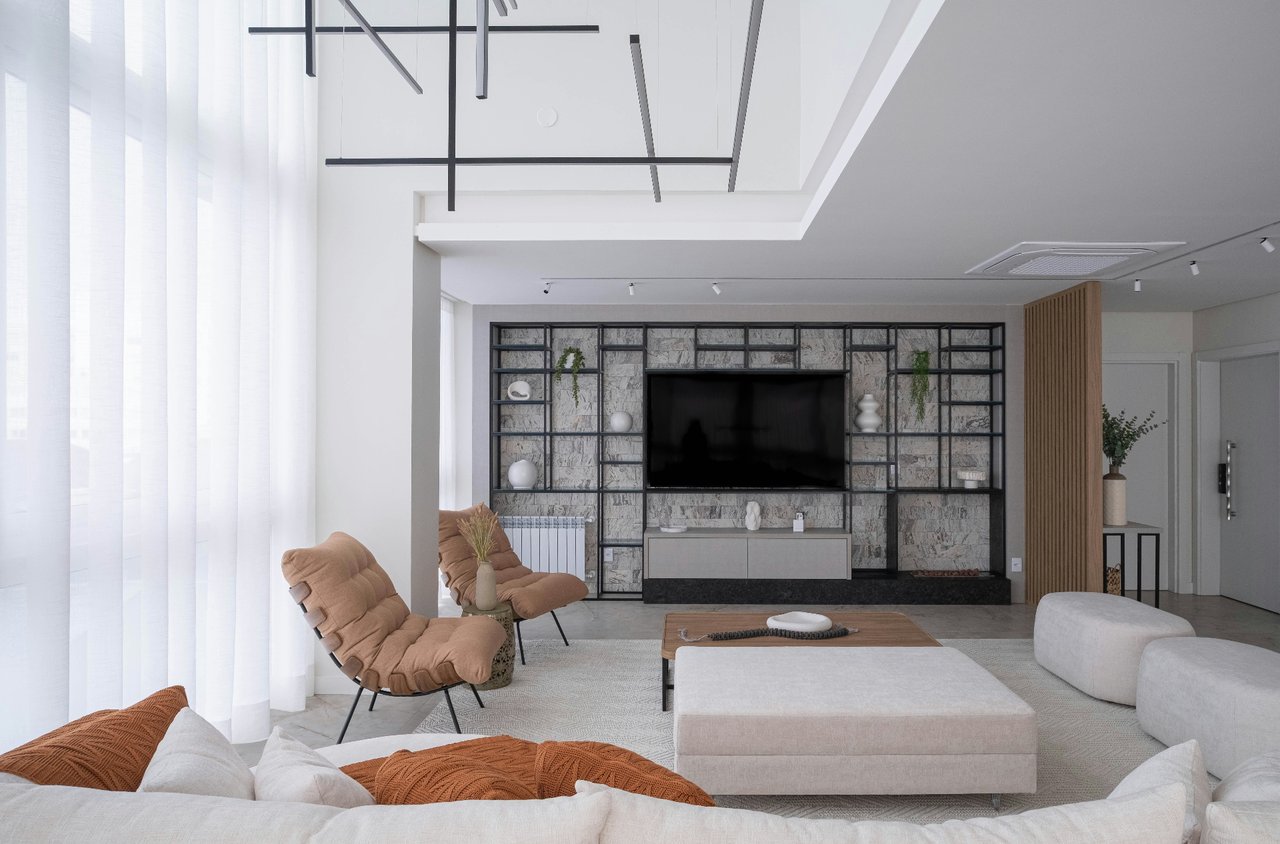
An extra room is not automatically valuable—and it is not automatically wasted space. The real question is whether that space gives you useful flexibility at a reasonable cost. A room you barely use today may become an office, guest room, workout space, hobby room, or something you have not even planned for yet.
The Room You Don’t Need Today Might Be the One You Need Tomorrow
Future-proofing a home does not mean buying the biggest house you can afford. It means recognizing which spaces can adapt when your life does.
Buyers often remove homes from consideration because of space they believe they do not need.
“We don't need a fourth bedroom.”
“We don't need an office.”
“What would we even do with that bonus room?”
Those are fair questions.
More square footage costs money.
It can also mean more:
- Furniture.
- Cleaning.
- Heating and cooling.
- Maintenance.
But there is another side to the decision.
A well-positioned extra room can create flexibility when your needs change.
Don't Buy
Empty Square Footage.
Buy
Useful Flexibility.
Use the Flex Space Test
Before deciding whether an extra room is worth paying for, evaluate four questions:
Flex Space Value
=
Multiple Possible Uses + Good Location in the Floor Plan + Low Conversion Friction − Extra Ownership Burden
The goal is not to predict your future perfectly.
It is to understand whether the home gives you options.
1. Not Every Extra Room Is Truly Flexible
Two homes can both advertise a “bonus room” and offer completely different utility.
One may have:
- A window.
- A door.
- Comfortable ceiling height.
- Heating and cooling.
- Convenient access to a bathroom.
Another may be:
- Open to a hallway.
- Dark.
- Awkwardly shaped.
- Far from the rest of the usable living areas.
Both add square footage.
They do not necessarily add the same flexibility.
Flexible Space
Is Not Defined By
What the Listing Calls It.
It Is Defined By
How Many Ways You Can Actually Use It.
2. Your Space Needs Can Change Faster Than Your Address
A room that feels unnecessary during the showing may become useful for reasons you cannot fully predict today.
For example:
Today | Tomorrow |
|---|---|
Unused bedroom | Guest room or office |
Open loft | Reading, hobby, homework, or secondary work space |
Bonus room | Exercise, media, play, hobby, or project room |
Main-level flex room | Office, guest space, hobby room, or other future use depending on layout |
The point is not that everyone will eventually need these uses.
The point is that adaptable space gives you choices.
3. Ask How Much It Would Cost to Create the Same Flexibility Later
Suppose House A has one fewer room but costs less.
House B includes a flexible extra room and costs somewhat more.
Do not compare only:
Purchase Price A vs. Purchase Price B.
Also ask:
“If I need this space later, how difficult would it be to create it?”
Adding space later may require:
- Finishing an unfinished area.
- Reconfiguring existing rooms.
- Building an addition.
- Converting another functional space.
- Moving to another home.
Those choices can involve money, time, permits, design limitations, or disruption.
Future flexibility is most valuable when it already exists without requiring an expensive future project.
4. Where the Extra Room Is Located Can Matter More Than the Room Count
A fourth bedroom upstairs may provide one kind of flexibility.
A separate room on the main level may provide another.
A finished basement room may provide another.
Consider:
- Privacy.
- Bathroom access.
- Noise.
- Natural light.
- Stairs.
- Connection to the main living areas.
A room may technically be “extra space” while still being poorly located for the use you imagine.
5. A True Office Is Different From “We Could Put a Desk Here”
Almost any corner can hold a desk.
That does not necessarily make it a useful work environment.
If future work-from-home flexibility matters, consider:
- Can the space be closed off?
- Is there natural light?
- Is there enough wall space for furniture?
- Will household traffic pass through it?
- Is the location reasonably quiet?
A Desk Fits
in Many Places.
Focused Work Does Not.
6. Guest Space Is About Frequency, Not Fantasy
Buyers sometimes purchase significant extra space because:
“People might visit.”
Ask how often they realistically do.
If overnight visitors come twice a year, an entire permanent guest suite may have less daily utility than a room that can serve two purposes.
A flexible room may work as:
Office 350 days a year + guest room 15 days a year.
That may be more efficient than keeping a dedicated room empty most of the time.
7. Future-Proofing Can Turn Into Overbuying
This is the other side of the argument.
You can justify almost any oversized home by saying:
“Maybe we'll need it someday.”
That does not mean you should pay for:
- Three extra bedrooms.
- Multiple unused living areas.
- A large finished basement.
- Thousands of additional square feet.
just because a theoretical future use exists.
There is a difference between buying flexibility and financing hypothetical lives you may never live.
8. Every Extra Room Has an Ownership Cost
Even unused space is not free.
Depending on the home, more space may contribute to:
- Higher purchase price.
- Higher heating and cooling costs.
- More cleaning.
- More furnishing.
- More future maintenance.
Flexibility Has Value.
But
Unused Space Still Has a Cost.
9. One Flexible Room May Be Better Than Three Specialized Rooms
Imagine two homes.
House A is larger and has:
- Formal dining room.
- Dedicated media room.
- Separate bonus room.
House B is smaller but has one well-designed flexible room that can adapt to several uses.
House A has more square footage.
House B may still have more usable flexibility for your actual life.
More rooms do not automatically mean more options.
10. The Best Flex Spaces Are Easy to Change Back
Suppose you turn an extra bedroom into an office.
If the conversion requires:
- Paint.
- Furniture.
- Shelving.
changing it back may be simple.
But a highly customized permanent conversion can reduce future flexibility.
Ask:
“If my needs change again, how easily can this room change with me?”
11. “Extra Room” and “Bedroom” Are Not Automatically the Same Thing
Buyers should be careful about assuming every flex room, bonus room, loft, or finished basement room qualifies as a legal or market-recognized bedroom.
Requirements can depend on applicable building, septic, permitting, appraisal, MLS, and other property-specific considerations.
If bedroom count materially affects your purchase decision or resale expectations, verify the relevant property information rather than relying only on how the room is staged.
12. Flexible Space May Help You Delay a Future Move—but Don't Assume It Will
One benefit of adaptable space is that the house may continue to function through more life changes.
But an extra room cannot solve every future problem.
You may still need to move because of:
- Location.
- Commute.
- Stairs.
- Lot maintenance.
- Budget.
- A completely different housing need.
Flexibility improves options.
It does not guarantee the house will work forever.
13. How Much Extra Are You Paying for the Flexibility?
Suppose:
House A: $500,000 with 3 bedrooms
and:
House B: $525,000 with 3 bedrooms + a useful flex room
Do not automatically conclude:
“The flex room costs $25,000.”
The homes may differ in condition, lot, location, size, finishes, and other features.
Relevant comparable sales should be used to evaluate market value.
But for your personal decision, you can still ask:
“What am I giving up elsewhere in my budget to obtain this additional flexibility?”
The 5-Use Flex Room Test
Stand in the room and see how many realistic uses you can identify.
☐ Use 1: ________________________
☐ Use 2: ________________________
☐ Use 3: ________________________
☐ Use 4: ________________________
☐ Use 5: ________________________
Then remove the imaginary uses you are unlikely to need.
If three or four realistic options remain, the room may offer genuine flexibility.
If every use feels forced, you may simply be looking at extra square footage.
The 50-Point Flex Space Scorecard
Category | Score | Question |
|---|---|---|
Multiple Uses | ___ / 10 | Can the space serve several realistic purposes? |
Floor-Plan Location | ___ / 10 | Is it located where those uses would actually work? |
Conversion Ease | ___ / 10 | Can the room change purpose without substantial construction? |
Likely Future Utility | ___ / 10 | Can I identify plausible needs this space could solve? |
Cost Efficiency | ___ / 10 | Does the flexibility justify the extra purchase and ownership cost? |
Total | ___ / 50 | Use the score to compare flexibility—not to justify buying more house than you need. |
20 Questions Before Paying for an Extra Room
☐ 1. What would I use this room for today?
☐ 2. What are three realistic future uses?
☐ 3. Is the room private enough to become an office?
☐ 4. Could it reasonably function as guest space?
☐ 5. Is there convenient bathroom access?
☐ 6. Is there natural light?
☐ 7. Is the ceiling height comfortable?
☐ 8. Is the room heated and cooled appropriately?
☐ 9. Would noise make some uses difficult?
☐ 10. Is the space legally and functionally what the listing represents it to be?
☐ 11. How easily could I change its purpose?
☐ 12. Would a conversion damage another useful function of the house?
☐ 13. How much more am I paying for the house that includes this room?
☐ 14. What are the extra recurring ownership costs?
☐ 15. Could I create similar flexibility elsewhere for less?
☐ 16. Am I solving a plausible future need or inventing one to justify more house?
☐ 17. Would I still prefer this home if I never used the room for its imagined future purpose?
☐ 18. Does the rest of the home still fit my budget and lifestyle?
☐ 19. Would this space reduce the chance that one foreseeable life change forces me to move?
☐ 20. Am I buying useful flexibility—or simply buying more square footage?
Frequently Asked Questions
Is it worth buying a home with an extra bedroom?
It can be, but the answer depends on purchase price, location in the floor plan, realistic future uses, ongoing ownership costs, and how easily the space can adapt. An extra bedroom should not automatically justify buying a substantially larger home.
Is a flex room as valuable as a bedroom?
Not necessarily. A flex room may provide excellent personal utility, but bedroom classification and market recognition can depend on property-specific physical, legal, permitting, appraisal, septic, or other considerations. Verify material bedroom-count questions for the specific home.
Should I buy more house because I may need more space later?
Not automatically. Future flexibility is useful, but buyers should weigh it against the additional purchase price, monthly payment, utilities, cleaning, maintenance, and other costs of carrying space they may never use.
What makes a room truly flexible?
Flexible rooms typically have a useful shape, adequate light, comfortable access, appropriate heating and cooling, reasonable privacy, and a location that supports several realistic uses without major reconstruction.
Is a loft good flex space?
It can be. A loft may work well for hobbies, reading, homework, exercise, or secondary living space. Its open nature may make it less suitable for uses that require privacy or noise control.
Is a finished basement the same as an extra bedroom?
Not automatically. Finished space and bedroom classification are separate questions. Buyers should verify applicable property information, permits, egress, septic considerations, appraisal treatment, and other material factors where relevant.
Does an extra bedroom always improve resale value?
No. Market impact depends on the local buyer pool, floor plan, property type, location, condition, room functionality, and relevant comparable sales. No fixed dollar value applies universally to an additional bedroom or flex room.
Is a home office worth paying more for?
That depends on how frequently you expect to use it, whether the space functions well as an office, and what additional purchase or ownership cost is required to obtain it. Personal utility and market value are not necessarily the same thing.
How do I future-proof a home purchase without overbuying?
Prioritize adaptable floor plans rather than simply maximizing size. One well-located multi-purpose room may create more practical flexibility than several specialized spaces you rarely use.
What is the most important question to ask about an extra room?
Ask: “How many realistic problems could this room solve if my life changed?” If the answer is several and the additional ownership cost remains comfortable, the space may provide meaningful flexibility.
Don't Buy
More House
Just in Case.
Buy
the Right Amount of Flexibility.
Final Thoughts: A Good Floor Plan Gives You Options
No one can perfectly predict what life will look like five years from now.
You do not need to.
Instead of buying a house for every possible future scenario, look for spaces that can do more than one job.
Evaluate:
Room location.
Privacy.
Natural light.
Bathroom access.
Multiple realistic uses.
Conversion ease.
Purchase price.
Ongoing ownership cost.
And whether the rest of the house still makes sense if that future need never arrives.
The smartest extra room is not the one sitting empty while you wait for your future life to begin.
It is the room that works for you now—and can become something different when you need it to.
Comparing Metro Atlanta Homes With Different Floor Plans?
We can help you compare more than bedroom count and square footage—looking at usable space, room placement, future flexibility, daily functionality, relevant comparable sales, ownership costs, and the permanent trade-offs between different floor plans. The goal is to find enough flexibility for your future without paying for a house that is larger than your life requires.
Tina Jingru Sui | TJS Team
About Tina Jingru Sui
Tina Jingru Sui is the founder and leader of the TJS Team, serving buyers, sellers, investors, new-construction buyers, and relocation clients throughout Metro Atlanta.
Tina and her team serve communities including Atlanta, Johns Creek, Alpharetta, Suwanee, Duluth, Buford, Dacula, Marietta, Roswell, Sandy Springs, Smyrna, Lawrenceville, and surrounding Metro Atlanta areas.
Keller Williams Realty Atlanta Partners · (404) 375-2120
This article is provided for general informational and educational purposes only and does not constitute legal, financial, tax, lending, appraisal, investment, architectural, engineering, building-code, zoning, septic, permitting, inspection, or other professional advice. The “Flex Space Test,” “5-Use Flex Room Test,” 50-point scorecard, and related frameworks are educational buyer decision tools only and are not valuation methods, appraisal formulas, building-code determinations, bedroom-classification standards, or predictions of future housing needs or resale value. A room described, marketed, staged, or used as a bedroom, office, bonus room, flex room, loft, finished basement room, guest room, or other space may be treated differently for legal, building, permitting, septic, appraisal, MLS, financing, insurance, or resale purposes. Buyers should verify property-specific facts that are material to their decision through appropriate official records and qualified professionals. An additional bedroom, finished area, office, bonus room, or flex room does not have a universal dollar value and does not guarantee higher resale value, appreciation, marketability, or buyer demand. A Comparative Market Analysis prepared by a real estate professional is not an appraisal and does not guarantee purchase price, appraised value, future sale price, appreciation, or net proceeds. Adding or converting space later may require permits, design review, engineering, HOA approval, septic evaluation, contractor work, or other approvals depending on the property and jurisdiction. Future work-from-home needs, household composition, guest needs, hobbies, health, employment, lifestyle, and space requirements cannot be predicted with certainty. Buyers should weigh future flexibility against current purchase price, financing, taxes, insurance, utilities, HOA dues, maintenance, cleaning, furnishing, transportation, reserves, and other ongoing costs. Mortgage approval does not determine whether owning a larger home is financially comfortable. Real estate professionals can help buyers analyze floor plans, comparable sales, market evidence, property characteristics, and transaction trade-offs but do not replace attorneys, appraisers, architects, engineers, inspectors, contractors, lenders, tax professionals, insurance professionals, septic professionals, code officials, or other qualified specialists. Community and property comparisons should rely on objective criteria identified by the consumer and not characteristics protected by applicable Fair Housing law. Equal Housing Opportunity. Tina Jingru Sui, GA License #392936, REALTOR®, affiliated with Keller Williams Realty Atlanta Partners.




