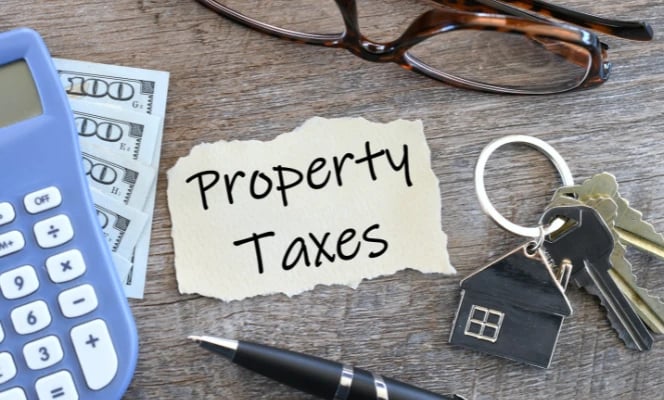
What Buyers Should Know About Property Taxes Before Purchasing
When buying a home, many buyers focus mainly on the purchase price and monthly mortgage payment. However, property taxes are another major cost that can significantly affect long-term affordability and overall homeownership expenses.
Property taxes vary depending on location, home value, local government policies, and community services. Understanding how property taxes work before purchasing a home can help buyers avoid surprises, plan more accurately, and make better financial decisions.
Whether purchasing a first home, upgrading to a larger property, or relocating to a new area, property taxes should always be part of the home-buying conversation.
1. Property Taxes Are an Ongoing Homeownership Cost
Unlike a one-time purchase expense, property taxes are recurring annual costs.
Homeowners typically pay property taxes:
- Monthly through mortgage escrow accounts
or - Directly to local tax authorities
These taxes continue for as long as the property is owned.
2. Property Taxes Vary by Location
One of the most important things buyers should understand is that property taxes can differ greatly between cities, counties, and states.
Tax rates are often influenced by:
- Local government budgets
- School funding
- Infrastructure needs
- Community services
Two homes with similar prices in different locations may have very different tax obligations.
3. Property Taxes Affect Monthly Housing Costs
Higher property taxes increase total monthly homeownership expenses.
In addition to the mortgage payment, buyers may need to budget for:
- Property taxes
- Homeowners insurance
- HOA fees
- Maintenance costs
Understanding the full monthly cost helps buyers avoid affordability problems later.
4. Taxes Are Often Based on Assessed Property Value
Local governments typically calculate taxes using the assessed value of a property.
This value may be influenced by:
- Market conditions
- Home size
- Location
- Recent sales in the area
Tax assessments may change over time as property values increase or decrease.
5. Newly Purchased Homes May Be Reassessed
In some areas, purchasing a home can trigger a reassessment of the property’s value.
This may cause:
- Property taxes to increase after closing
- Future tax bills to differ from previous owner amounts
Buyers should research how reassessments work in their local market.
6. School Districts Often Influence Tax Rates
Communities with highly rated school districts may have higher property taxes.
These taxes often help fund:
- Public schools
- Educational programs
- Community services
Many buyers view strong school systems as a long-term benefit despite higher taxes.
7. Property Taxes Can Change Over Time
Property taxes are not always fixed.
Taxes may rise because of:
- Increasing property values
- Local budget changes
- New development projects
- Infrastructure improvements
Buyers should prepare for the possibility of future tax increases.
8. Tax Rates Affect Overall Affordability
A lower home price does not always mean lower monthly costs.
For example:
- A home with lower taxes may be more affordable long-term
- A home with high taxes may reduce purchasing power
Buyers should compare total ownership costs, not just listing prices.
9. Some Areas Offer Tax Exemptions or Benefits
Certain homeowners may qualify for tax-related programs.
Possible exemptions may apply to:
- Primary residences
- Seniors
- Veterans
- Disabled homeowners
Tax benefits vary by location, so buyers should research local rules carefully.
10. Property Taxes Help Fund Community Services
Property taxes support many local services and improvements, including:
- Schools
- Roads and transportation
- Police and fire departments
- Parks and recreation
Communities with higher taxes may also offer stronger public amenities and infrastructure.
11. Buyers Should Review Tax History
Before purchasing, buyers should examine:
- Previous tax bills
- Assessment history
- Potential reassessment risks
This information helps buyers better estimate future ownership costs.
12. Escrow Accounts Often Include Property Taxes
Many mortgage lenders collect property taxes through escrow accounts.
In this setup:
- Buyers pay a portion monthly
- The lender pays the tax bill when due
Escrow helps spread tax costs throughout the year instead of paying large lump sums.
13. Investors Should Evaluate Tax Impact Carefully
For real estate investors, property taxes directly affect:
- Cash flow
- Rental profitability
- Long-term returns
High tax areas may reduce investment margins even if property values are strong.
14. Property Taxes Influence Resale Appeal
Future buyers will also consider property taxes when evaluating affordability.
Higher taxes may:
- Limit some buyer budgets
- Reduce overall demand in certain price ranges
Reasonable tax levels can improve long-term resale appeal.
15. Tax Information Should Be Part of Neighborhood Research
When comparing communities, buyers should research:
- Local tax rates
- Community services
- Planned developments
- School funding
Taxes are closely connected to overall community quality and infrastructure.
16. Real Estate Professionals Can Help Explain Local Tax Trends
Experienced real estate professionals often help buyers understand:
- Local tax structures
- Area-specific tax expectations
- Historical tax trends
Professional guidance can help buyers make more informed financial decisions.
17. Long-Term Planning Is Important
Because property taxes continue throughout ownership, buyers should think long-term.
Questions to consider include:
- Will future tax increases fit the budget?
- Does the community provide value for the taxes paid?
- How will taxes affect retirement or future financial goals?
Long-term planning helps create greater financial stability.
18. Understanding Taxes Helps Buyers Avoid Surprises
Many first-time buyers underestimate how much property taxes affect total homeownership costs.
Learning about taxes before purchasing helps buyers:
- Budget more accurately
- Understand affordability
- Prepare for long-term expenses
Preparation reduces unexpected financial stress after closing.
Final Thoughts
Property taxes are an important part of homeownership and can significantly affect affordability, budgeting, and long-term financial planning. Tax rates vary widely depending on location, assessed property value, and local community services.
Buyers who research property taxes carefully before purchasing are often better prepared to understand total ownership costs and make more informed decisions.
Ultimately, buying a home is not only about the purchase price—it is also about understanding the long-term financial responsibilities that come with owning property.
--
Tina Jingru Sui 隋静儒
Associate Broker | Team Leader of TJS Team, Keller Williams
Serving Metro Atlanta — Johns Creek, Alpharetta, Duluth, Suwanee, Buford, and beyond
404-375-2120
WeChat: tinasuirealty
Follow me on Instagram / 小红书 / WeChat / Facebook




