What Buyers Should Look for During a Second Home Tour
SEO Title: What Buyers Should Look for During a Second Home Tour
SEO Subtitle: Discover what Atlanta homebuyers should check on a second visit before making an offer on a property
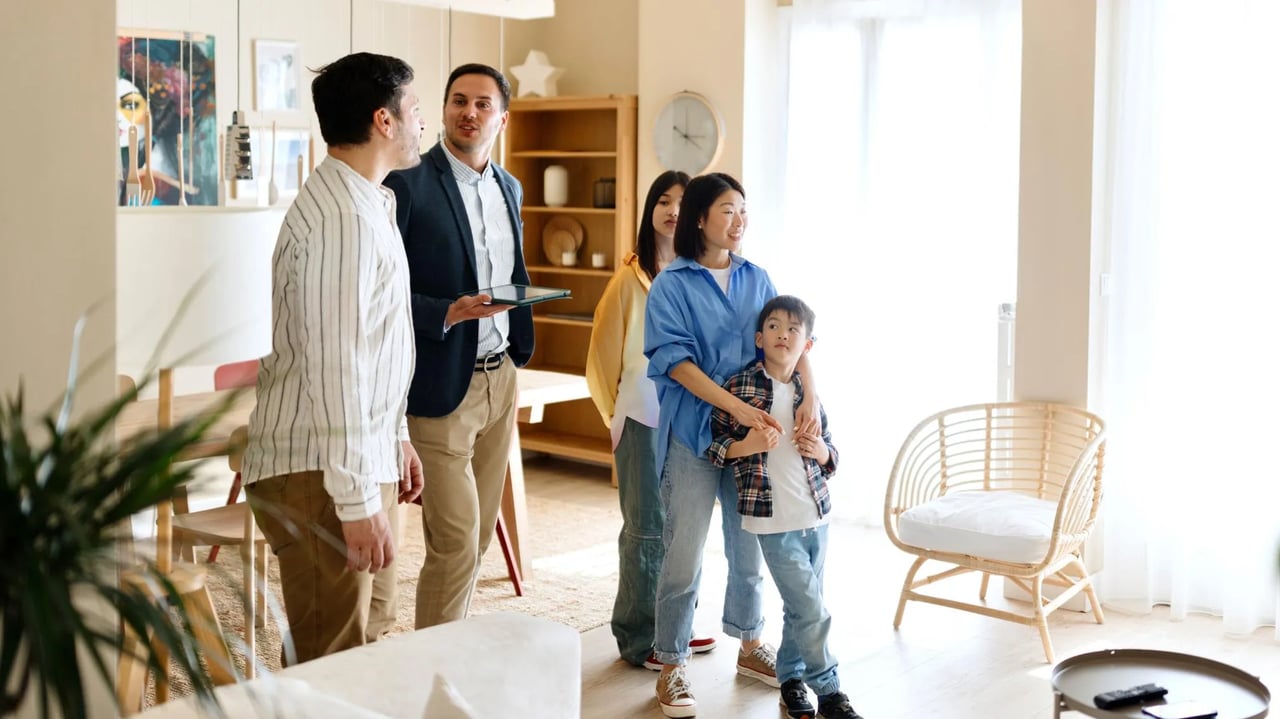
The first home tour is often emotional.
You notice the beautiful kitchen, spacious living room, backyard, and overall feeling of the property.
But the second tour is different.
Instead of asking:
“Do I like this house?”
you should start asking:
“Does this house actually work for me?”
A second visit gives you an opportunity to slow down, look more carefully, and notice details you may have missed the first time.
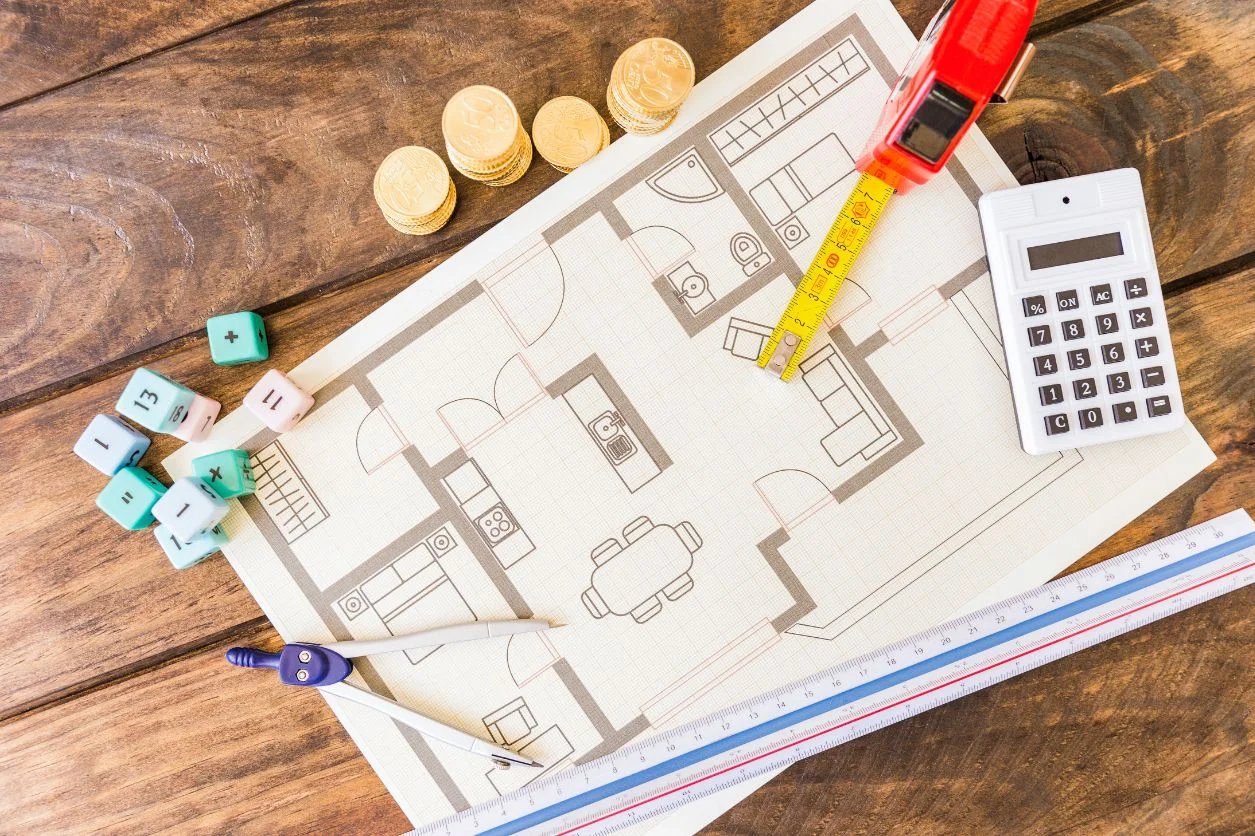
1. Look at the Floor Plan Again
During the first tour, a home can feel larger or smaller than expected.
On your second visit, think about how you would actually use each room.
Ask:
- Is the furniture placement practical?
- Are the bedrooms private enough?
- Is there enough storage?
- Does the kitchen connect well with the living areas?
- Is there enough space for your daily routine?
A floor plan that looks good on paper may feel different in person.
2. Check the Natural Light
Visit the home at a different time if possible.
Pay attention to:
- Which rooms receive sunlight
- Whether bedrooms are bright or dark
- Backyard exposure
- Window placement
- Potential afternoon heat
Natural light can have a major impact on how a home feels.
3. Listen Carefully
The second tour is a good time to pay attention to sounds.
Turn off conversations for a moment and listen.
Can you hear:
- Traffic?
- Neighbors?
- Dogs?
- Airplanes?
- Construction?
- Nearby businesses?
A home can look peaceful while having more noise than expected.
4. Check the Water Pressure
This is a simple detail that can be easy to overlook.
Test faucets and showers if appropriate.
Look for:
- Water pressure
- Drainage
- Hot water
- Water temperature
Small plumbing issues can become annoying after moving in.
5. Look Closely at the Walls and Ceilings
Take another look at areas that may show signs of problems.
Watch for:
- Water stains
- Cracks
- Bubbling paint
- Uneven surfaces
- Signs of previous repairs
Not every mark means there is a serious problem, but anything concerning is worth asking about.
6. Check Doors and Windows
Open and close doors and windows when appropriate.
Pay attention to whether they:
- Open easily
- Close properly
- Lock securely
- Feel damaged or difficult to operate
These small details can tell you something about the home's maintenance.
7. Look at Storage Space
Storage can become more important after you move in.
Check:
- Closets
- Pantry
- Garage
- Attic
- Basement
- Cabinets
Try to imagine where your belongings would actually go.
8. Revisit the Backyard
The backyard may look attractive during the first showing.
On the second visit, look more carefully.
Ask:
- Is it private?
- Is the yard level?
- How much maintenance will it require?
- Is there enough space for outdoor activities?
- Does it receive enough sunlight?
Think about how you would use the space throughout the year.
9. Check the Street and Nearby Homes
Don't stay inside the property the entire time.
Walk around the immediate area.
Look at:
- Neighboring homes
- Street parking
- Traffic
- Sidewalks
- Noise
- Landscaping
Remember, you're buying the home and its surroundings.
10. Think About Your Daily Commute
If possible, visit during a time when you normally travel.
Consider the actual route to:
- Work
- School
- Grocery stores
- Family
- Other regular destinations
A location that seems convenient on a Sunday afternoon may feel very different during weekday traffic.
11. Look for Signs of Deferred Maintenance
During your second visit, look for small maintenance issues.
Examples include:
- Damaged trim
- Worn flooring
- Loose fixtures
- Old caulking
- Peeling paint
- Overgrown landscaping
One small issue may not matter.
But several issues together could indicate that the property needs more work than expected.
12. Review the Features You Thought You Loved
Think back to your first visit.
What made you excited about the house?
Now ask:
“Do I still feel the same way after looking more carefully?”
Sometimes the second tour confirms that the home is right.
Other times, you realize that some features weren't as important as you originally thought.
That's useful information.
Second Tour Checklist
Before leaving, ask:
☐ Does the layout work for my lifestyle?
☐ Is there enough storage?
☐ Do I like the natural light?
☐ Is the home quiet enough?
☐ Are there signs of water or maintenance problems?
☐ Do the doors and windows work properly?
☐ Is the backyard practical?
☐ Is parking convenient?
☐ Do I like the surrounding homes and street?
☐ Does the commute work for me?
☐ Does the home still feel right after a closer look?
Take Your Time
You don't need to rush through a second tour.
Walk through each room slowly.
Open closets.
Look at ceilings.
Listen to the surroundings.
Stand in the backyard.
Imagine a normal weekday morning.
The goal isn't to find a perfect house.
The goal is to determine whether the house is right for you.
Final Thoughts
The first tour is often about discovering a home.
The second tour should be about evaluating it.
You already know what you like.
Now it's time to look for what you may have missed.
A second visit can help you identify potential concerns before you make a major financial commitment.
Don't just walk through the house a second time—look at it with a different mindset.
The first tour asks:
“Do I love this home?”
The second tour should ask:
“Would I still choose this home after looking at the details?”
--
Tina Jingru Sui 隋静儒
Associate Broker | Team Leader of TJS Team, Keller Williams
Serving Metro Atlanta — Johns Creek, Alpharetta, Duluth, Suwanee, Buford, and beyond
404-375-2120
WeChat: tinasuirealty
Follow me on Instagram / 小红书 / WeChat / Facebook