What Does a Home Inspection Cover? A Buyer's Complete Guide
Buying a home is an exciting milestone, but before closing on a property, it's important to understand its overall condition. One of the most valuable steps in the homebuying process is the home inspection. A professional home inspection provides buyers with a detailed evaluation of a home's visible and accessible components, helping them better understand the property's condition before completing the purchase.
While a home inspection is not a guarantee that every issue will be discovered, it can identify many existing maintenance concerns and help buyers make more informed decisions.
Here's what a typical home inspection covers and why it matters.
1. What Is a Home Inspection?
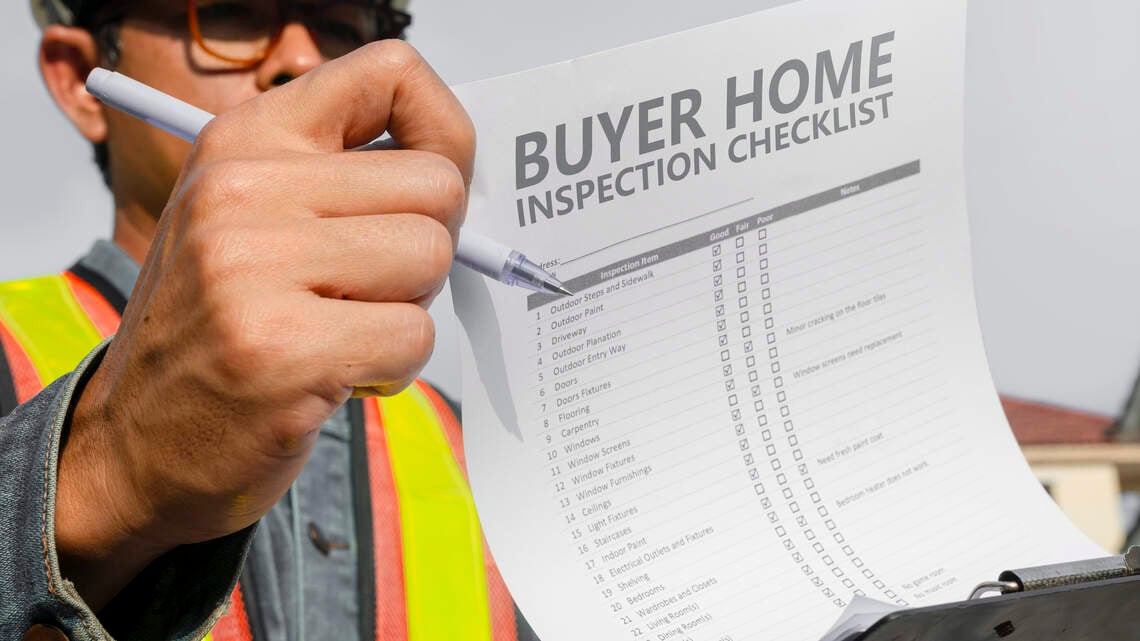
A home inspection is a visual examination of a home's accessible systems and components performed by a qualified home inspector.
The goal is to:
- Evaluate the home's overall condition
- Identify visible defects or maintenance issues
- Help buyers better understand the property before closing
The inspection is based on the home's condition on the day it is inspected.
2. Roof Inspection
The roof is one of the home's most important structural components.
A home inspector may evaluate:
- Roofing materials
- Visible signs of wear
- Missing or damaged shingles
- Flashing
- Gutters and downspouts
- Roof drainage
Inspectors generally do not predict the remaining lifespan of a roof but may note visible concerns.
3. Foundation and Structure
Inspectors examine visible structural components for signs of potential issues.
Areas commonly reviewed include:
- Foundation
- Crawl spaces (if accessible)
- Basement walls
- Structural framing
- Floors
- Ceilings
Visible cracks or movement may be noted in the inspection report.
4. Plumbing System
The plumbing inspection typically includes visible and accessible plumbing components.
This may involve checking:
- Water supply lines
- Drain lines
- Faucets
- Toilets
- Sinks
- Water heater
- Visible leaks
Specialized plumbing evaluations may be recommended if significant concerns are observed.
5. Electrical System
The inspector evaluates the home's accessible electrical components.
Common inspection items include:
- Main electrical panel
- Circuit breakers
- Visible wiring
- Outlets
- Light switches
- Ground fault protection where applicable
The goal is to identify visible safety concerns or deficiencies.
6. Heating and Cooling Systems (HVAC)
Heating and air conditioning systems are important parts of the inspection.
The inspector may examine:
- Furnace
- Air conditioning unit
- Thermostat
- Visible ductwork
- Air filters
- Basic system operation
Inspectors generally test functionality but do not perform detailed mechanical servicing.
7. Windows and Doors
Doors and windows are inspected for proper operation.
The inspection may include:
- Opening and closing
- Locks and latches
- Visible seal conditions
- Broken glass
- Weatherstripping
These components contribute to comfort, security, and energy efficiency.
8. Interior Rooms
Throughout the home, the inspector evaluates visible interior conditions.
This may include:
- Walls
- Ceilings
- Floors
- Stairs
- Railings
- Cabinets
- General finishes
Visible damage, stains, or signs of moisture may be documented.
9. Kitchen Inspection
The kitchen is one of the home's most frequently used spaces.
Inspectors often review:
- Cabinets
- Countertops
- Sink
- Faucet
- Garbage disposal (if present)
- Built-in appliances that are included with the home
- Electrical outlets
Operation of permanently installed appliances may be tested according to inspection standards.
10. Bathrooms
Bathrooms are inspected for visible issues related to function and moisture.
Items commonly evaluated include:
- Toilets
- Sinks
- Showers
- Bathtubs
- Ventilation
- Plumbing fixtures
- Visible leaks
Proper ventilation is especially important in areas exposed to moisture.
11. Attic and Insulation
If accessible, the attic may be inspected for:
- Insulation levels
- Ventilation
- Visible roof leaks
- Structural framing
- Signs of moisture
Proper insulation and ventilation contribute to energy efficiency and overall home performance.
12. Exterior Features
The home's exterior is also an important part of the inspection.
Areas commonly reviewed include:
- Siding
- Trim
- Decks
- Porches
- Steps
- Driveways
- Walkways
- Exterior grading
Visible maintenance needs or safety concerns may be noted.
13. What a Home Inspection May Not Cover
A standard home inspection has limitations and typically does not include specialized evaluations unless specifically requested.
Items that may require separate inspections include:
- Sewer lines
- Septic systems
- Swimming pools
- Chimneys
- Mold testing
- Radon testing
- Pest or termite inspections
- Environmental hazards
If concerns arise, the inspector may recommend further evaluation by a qualified specialist.
14. Understanding the Inspection Report
After the inspection, you'll receive a written report outlining the inspector's observations.
The report may include:
- Maintenance recommendations
- Safety concerns
- Photos of observed issues
- Suggested repairs or further evaluations
Not every item in the report is necessarily a major problem. Many findings are routine maintenance items common in homeownership.
Your real estate professional can help you review the report and discuss potential next steps.
15. Work With an Experienced Real Estate Professional
A knowledgeable Metro Atlanta real estate professional can help buyers:
- Schedule a qualified home inspection
- Review inspection findings
- Understand which issues may warrant further evaluation
- Coordinate communication with the seller when appropriate
- Keep the transaction moving smoothly from inspection through closing
Professional guidance can help buyers navigate the inspection process with confidence.
Final Thoughts
A home inspection is one of the most important steps in buying a home. It provides valuable insight into the property's visible condition and helps buyers better understand what to expect before closing. While no home is perfect, an inspection can identify maintenance needs, highlight potential concerns, and provide information that supports informed decision-making.
Whether you're purchasing your first home or your next investment in Metro Atlanta, taking the time to complete a professional home inspection—and working closely with an experienced real estate professional—can help you move forward with greater confidence and peace of mind.
--
Tina Jingru Sui 隋静儒
Associate Broker | Team Leader of TJS Team, Keller Williams
Serving Metro Atlanta — Johns Creek, Alpharetta, Duluth, Suwanee, Buford, and beyond
404-375-2120
WeChat: tinasuirealty
Follow me on Instagram / 小红书 / WeChat / Facebook