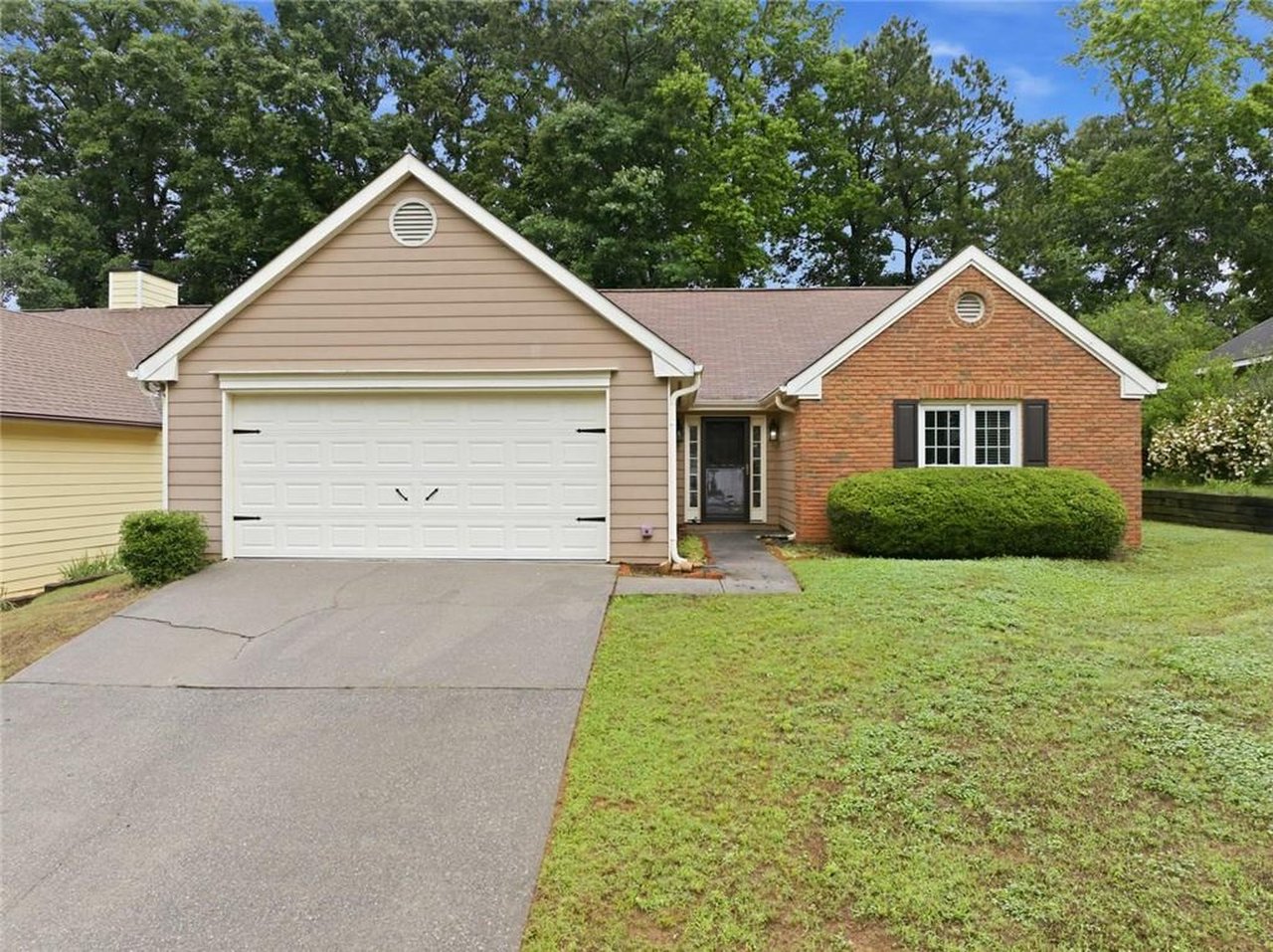
What Happens After Your Offer Is Accepted?
SEO Title: What Happens After Your Offer Is Accepted?
SEO Subtitle: A step-by-step guide to what homebuyers can expect between offer acceptance and closing day in Metro Atlanta
Having your offer accepted is an exciting milestone in the home buying journey. For many buyers, it feels like the finish line is in sight. However, the period between offer acceptance and closing is one of the most important stages of the transaction. During this time, several critical steps take place to ensure the purchase moves forward smoothly and that both the buyer and seller fulfill their obligations.
If you're buying a home in Metro Atlanta, understanding what happens after your offer is accepted can help you feel more prepared and confident throughout the process.
The Home Is Under Contract
Once the seller accepts your offer, the property officially goes under contract.
This means:
- Buyer and seller have agreed on terms
- The property is generally removed from active marketing
- Both parties begin working toward closing
However, the transaction is not yet complete. Several important steps still remain.
1. Submit Earnest Money
Shortly after the contract is signed, buyers typically submit earnest money.
Earnest money is:
- A good-faith deposit
- Evidence of commitment to the purchase
- Usually held in an escrow account
The specific amount and timing will depend on the terms of the contract.
2. Begin the Mortgage Process
If financing is involved, your lender will begin processing the loan.
This may include:
- Income verification
- Employment verification
- Asset review
- Credit review
- Final underwriting
Responding quickly to lender requests can help avoid delays.
3. Schedule the Home Inspection
One of the first major steps after acceptance is the home inspection.
A professional inspector will evaluate:
- Roof condition
- HVAC systems
- Plumbing
- Electrical systems
- Foundation and structure
- Appliances
- General maintenance concerns
The inspection helps buyers better understand the property's condition.
4. Review Inspection Findings
After the inspection, buyers review the report and determine whether any concerns need to be addressed.
Possible outcomes include:
- Proceeding without changes
- Requesting repairs
- Requesting seller concessions
- Renegotiating terms
Your real estate professional can help evaluate available options.
5. Conduct Additional Inspections if Needed
Depending on the property, additional inspections may be recommended.
Examples include:
- Termite inspections
- Roof inspections
- Sewer inspections
- Structural evaluations
- Mold assessments
These specialized inspections provide additional information when necessary.
6. Title Search and Title Review
The title company will typically conduct a title search.
The purpose is to verify:
- Legal ownership
- Outstanding liens
- Easements
- Property restrictions
- Potential title issues
A clear title helps ensure ownership can be transferred properly.
7. Property Appraisal
If financing is involved, the lender will usually require an appraisal.
The appraisal helps determine:
- Market value of the property
- Whether the value supports the loan amount
Appraisers evaluate factors such as:
- Comparable sales
- Property condition
- Location
- Size and features
8. Resolve Any Appraisal Issues
Sometimes the appraised value differs from the contract price.
If this occurs, buyers and sellers may discuss options such as:
- Renegotiating the purchase price
- Adjusting financing terms
- Covering the difference
Each situation is unique and depends on the contract terms.
9. Complete Mortgage Underwriting
During underwriting, the lender performs a final review of the loan application.
Underwriters verify:
- Financial documents
- Employment status
- Debt obligations
- Property information
Additional documentation may be requested during this stage.
10. Obtain Homeowners Insurance
Before closing, buyers typically secure homeowners insurance.
Coverage helps protect the property against certain risks and is generally required by mortgage lenders.
Shopping for insurance early can help avoid last-minute delays.
11. Avoid Major Financial Changes
During the contract period, buyers should avoid actions that could affect loan approval.
Examples include:
- Opening new credit accounts
- Making large purchases
- Changing jobs
- Increasing debt significantly
Financial stability helps support a smooth underwriting process.
12. Review Closing Disclosures
Before closing, buyers receive important documents outlining the final terms of the transaction.
These disclosures typically include:
- Loan details
- Closing costs
- Monthly payment estimates
- Cash needed at closing
Reviewing these documents carefully helps avoid surprises.
13. Schedule Utilities and Moving Plans
As closing approaches, buyers often begin preparing for the move.
Tasks may include:
- Utility transfers
- Address updates
- Moving company arrangements
- Internet and cable setup
Early planning can reduce stress later.
14. Complete the Final Walk-Through
Shortly before closing, buyers typically conduct a final walk-through.
The purpose is to verify:
- Agreed-upon repairs were completed
- The property remains in expected condition
- No new issues have emerged
The walk-through provides an opportunity to address concerns before ownership transfers.
15. Attend Closing Day
Closing day is the final step in the transaction.
During closing, buyers will:
- Sign loan documents
- Sign ownership documents
- Pay closing costs
- Complete remaining requirements
Once the transaction is finalized and recorded, ownership officially transfers to the buyer.
What Happens After Closing?
After closing, buyers receive:
- Keys to the property
- Ownership documentation
- Access to their new home
At this point, the home buying journey becomes homeownership.
Common Timeline From Offer Acceptance to Closing
While timelines vary, many Metro Atlanta transactions close within approximately 30 to 45 days.
Factors affecting timing may include:
- Loan processing
- Inspection negotiations
- Appraisal completion
- Title review
- Contract terms
Working with experienced professionals can help keep the process on track.
How TJS Team Helps Buyers After Offer Acceptance
At TJS Team, we guide buyers through every step between contract and closing.
We help clients:
- Understand contract deadlines
- Coordinate inspections
- Review reports
- Communicate with lenders
- Navigate negotiations
- Prepare for closing
Our goal is to make the process as smooth and stress-free as possible.
Final Thoughts
Having your offer accepted is a major accomplishment, but several important steps remain before you officially become a homeowner. From inspections and appraisals to underwriting and final walk-throughs, each stage plays a critical role in protecting your investment and ensuring a successful transaction. Understanding what to expect can help reduce uncertainty and keep the process moving forward with confidence.
If you're buying a home in Metro Atlanta, TJS Team can provide expert guidance throughout every stage of the transaction, helping you navigate the path from accepted offer to successful closing with confidence and peace of mind.
--
Tina Jingru Sui 隋静儒
Associate Broker | Team Leader of TJS Team, Keller Williams
Serving Metro Atlanta — Johns Creek, Alpharetta, Duluth, Suwanee, Buford, and beyond
404-375-2120
WeChat: tinasuirealty
Follow me on Instagram / 小红书 / WeChat / Facebook