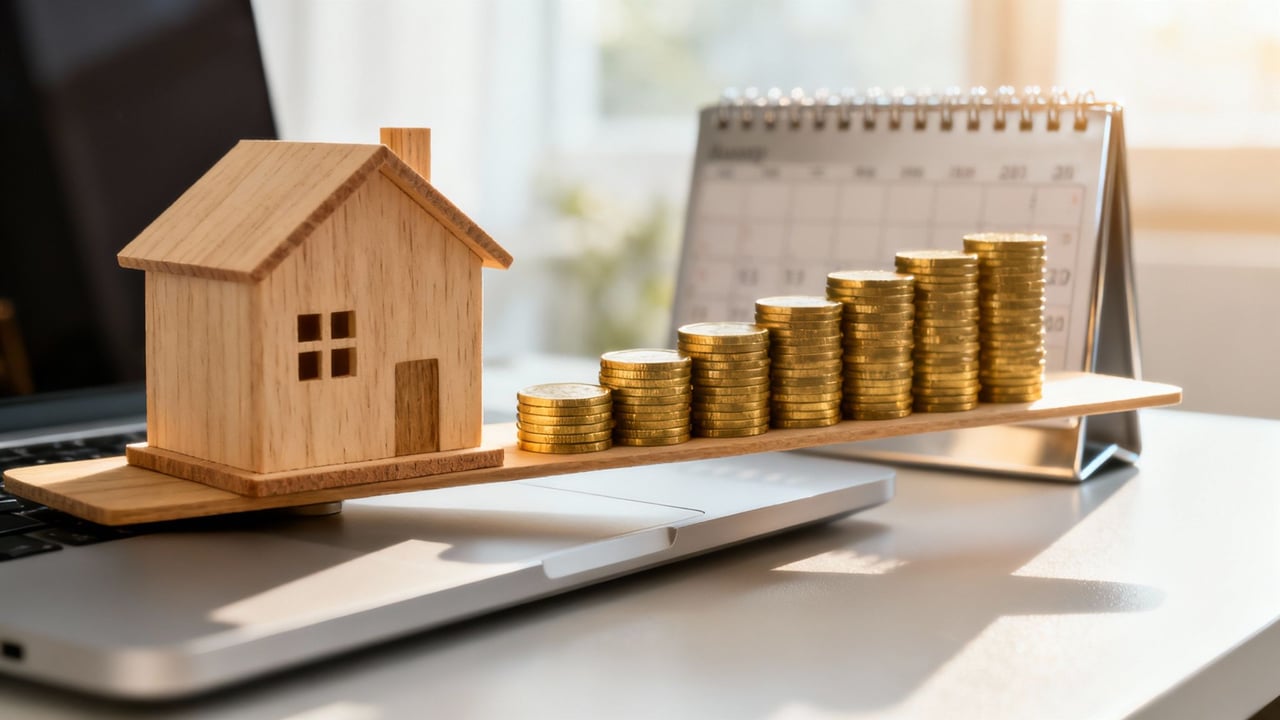
What Happens When You Keep an Unsold Home? Understanding the Costs of Holding Your Property
When your home does not sell, you may decide to keep it on the market or wait for a better time to sell. However, holding an unsold property can come with ongoing expenses. Even if no one is living in the home, you may still need to pay for maintenance, utilities, insurance, taxes, and other costs.
Before deciding to keep your property, it is important to understand these expenses and consider whether holding the home is the right financial choice.
Watch the video: What Happens When You Keep an Unsold Home? on YouTube ↗
1. Mortgage Payments Continue
If you still have a mortgage, your monthly payments will continue even when your home is not selling. This can become a financial challenge, especially if you have already moved into another home or purchased a new property.
Consider how long you can comfortably afford the payments while waiting for a buyer.
2. Property Taxes and Insurance
Homeowners are generally responsible for property taxes and insurance while they own the home.
These expenses do not stop just because the property is vacant or listed for sale. You should also review your insurance policy because some policies have specific requirements for vacant properties.
3. Maintenance and Repairs
An empty home still needs regular care. Small problems can become more expensive if they are not addressed early.
Common maintenance expenses include:
- Lawn care and landscaping
- HVAC system maintenance
- Plumbing and leak repairs
- Roof and gutter inspections
- Pest prevention
- General cleaning and upkeep
Regular maintenance can help protect your property's condition and make it more attractive to future buyers or renters.
4. Utility Bills and Other Expenses
Even if nobody lives in the home, you may need to keep certain utilities running. Electricity, water, and heating or cooling may be necessary to protect the property and prepare it for showings.
You may also have expenses for security systems, cleaning services, and property checks.
5. The Opportunity Cost of Keeping the Property
Money spent holding an unsold home could potentially be used for other financial goals. For example, you may want to invest in another property, reduce debt, or save for a future purchase.
Keeping a home for too long without a clear plan may limit your financial flexibility.
6. Consider Renting Out the Property
If selling is taking longer than expected, renting may be another option to explore.
Rental income could help cover some of your monthly expenses. However, becoming a landlord also comes with responsibilities, including finding qualified tenants, handling repairs, managing leases, and preparing for possible vacancies.
Before renting out your property, compare the expected rental income with your mortgage, taxes, insurance, maintenance, and management costs.
7. Review Your Selling Strategy
If your home has been on the market for a long time, it may be worth reviewing your current selling strategy.
Consider these questions:
- Is the asking price competitive?
- Does the home need repairs or updates?
- Are the listing photos and marketing attracting buyers?
- Is your property receiving enough exposure?
- Would a different listing agent or marketing plan help?
A new approach may help your property attract more attention and bring you closer to a successful sale.
Conclusion
Keeping an unsold home can be expensive, even when the property is not being used. Mortgage payments, taxes, insurance, maintenance, and utilities can add up over time.
Before deciding to keep your property, review your total costs and compare your options. Selling, renting, or holding the home may each make sense depending on your financial situation and long-term plans.
If your property is not selling in Metro Atlanta, Tina Jingru Sui and the TJS Team at Keller Williams Atlanta Partners can help you review your selling options and consider a new strategy. Visit TinaSui.com to learn more.
Estimate Your Home's Holding Costs
Enter your approximate monthly costs and expected holding period. For budgeting only; this does not include future resale price changes or every possible expense.
Mortgage payments can include principal repayment, which builds equity rather than representing a pure economic expense. These figures reflect estimated cash outflows—not investment losses or net proceeds.
Unsold Home Decision Checklist
Check off each item as you review your property's holding and selling options.
0 of 10 completed
Frequently Asked Questions
1. Do I still have to pay expenses if my home is not selling?
Yes. You are generally still responsible for mortgage payments, property taxes, insurance, maintenance, and other ownership expenses.
2. Is it expensive to keep an empty house?
It can be. Even without tenants or residents, you may need to pay for utilities, lawn care, repairs, insurance, and regular property checks.
3. Should I rent out my home if it does not sell?
Renting may help generate income, but you should compare expected rent with all ownership and rental expenses before making a decision.
4. How can I reduce the cost of holding an unsold property?
Review unnecessary expenses, keep up with preventive maintenance, monitor utility usage, and evaluate whether adjusting your selling strategy could help.
5. When should I consider taking my home off the market?
You may consider taking it off the market if you need more time to make repairs, adjust your plans, or explore renting. Review your listing agreement and discuss the timing with your real estate agent before making a decision.
Not Sure Whether to Sell, Rent, or Hold?
Tina Jingru Sui, Associate Broker and Team Leader of the TJS Team at Keller Williams Atlanta Partners, can help you evaluate your home-selling options in Metro Atlanta.
Explore comparable sales, likely selling expenses, and a practical strategy for your next move.




