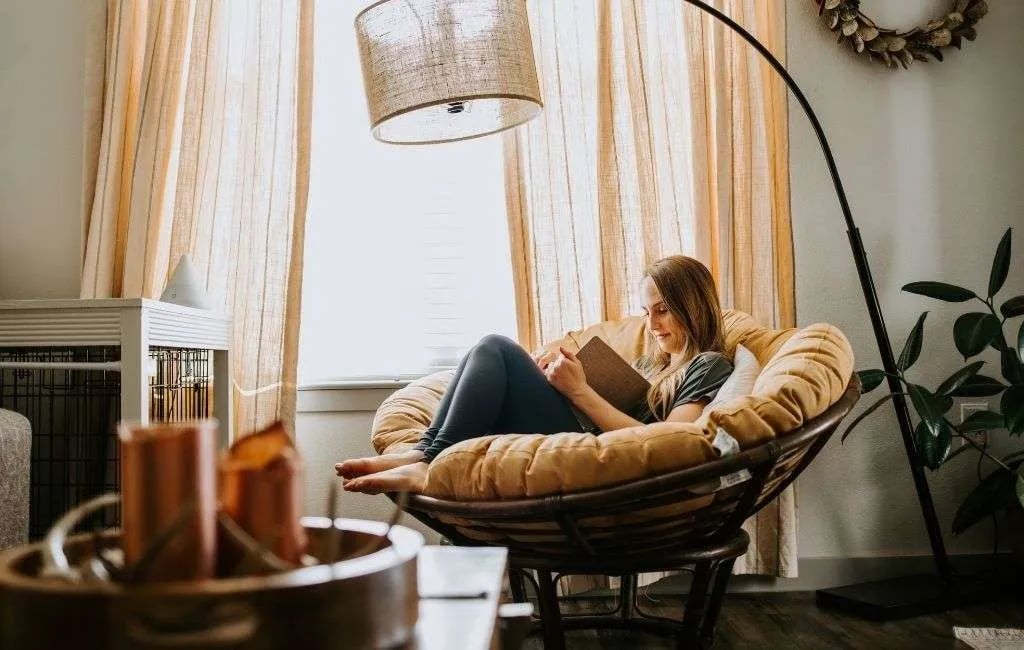
What Makes a Home Feel Instantly Comfortable?
You walk into a home and within seconds, you know.
It feels calm.
It feels balanced.
It feels easy.
And then you tour another home — maybe even larger, newer, or more upgraded — but something feels slightly off.
What creates that difference?
Instant comfort isn’t random. It’s not magic. And it’s not just about decoration.
There are specific design, layout, and environmental factors that make a home feel comfortable the moment you step inside.
Let’s break them down.
1. Natural Light That Feels Soft and Balanced
Light is one of the strongest emotional drivers in real estate.
Homes feel instantly comfortable when:
-
Natural light enters without harsh glare
-
Windows are positioned thoughtfully
-
Light flows consistently across rooms
-
Shadows aren’t heavy or uneven
Balanced light creates warmth and openness.
Dark corners, uneven brightness, or excessive glare create subtle tension — even if buyers can’t articulate why.
2. Clear and Intuitive Layout Flow
Comfort increases when a home “makes sense” immediately.
You don’t have to guess:
-
Where to walk
-
Where to place furniture
-
Where daily routines would happen
Good layout design allows movement without friction.
If a buyer pauses to mentally rearrange walls or imagine removing obstacles, the sense of comfort drops.
Flow creates ease.
Ease creates comfort.
3. Balanced Room Proportions
Oversized rooms can feel empty and impersonal.
Undersized rooms can feel restrictive.
Comfort often comes from:
-
Well-proportioned living areas
-
Bedrooms that accommodate standard furniture
-
Spaces that feel neither overwhelming nor cramped
Balance is calming.
Extreme proportions create discomfort.
4. Visual Continuity
Homes feel comfortable when the eye moves naturally through space.
This happens when:
-
Flooring transitions are smooth
-
Colors are cohesive
-
Architectural lines are consistent
-
Sight lines extend toward windows or focal points
Fragmented design interrupts visual flow.
Comfort grows when the space feels unified.
5. Controlled Noise and Acoustic Calm
Buyers rarely think about sound during showings — but they feel it.
Instant comfort increases when:
-
Outside noise is minimal
-
Echo is controlled
-
Ceilings and surfaces don’t amplify sound
-
Bedrooms feel separated from active areas
Acoustic calm is deeply connected to emotional security.
Subtle noise stress reduces comfort quickly.
6. Defined but Not Rigid Spaces
Open layouts can feel spacious, but true comfort often comes from subtle separation.
Homes feel better when:
-
Living and dining areas are connected yet defined
-
Work areas are slightly tucked away
-
Private spaces feel protected
Too open can feel chaotic.
Too segmented can feel confined.
Comfort lives in the balance.
7. Adequate Storage That Reduces Visual Clutter
Even during a showing, buyers subconsciously scan for:
-
Closet depth
-
Kitchen cabinet space
-
Entry storage
-
Garage usability
When storage feels sufficient, the home feels manageable.
When storage feels tight, anxiety increases — even before move-in.
Clutter is stressful.
The promise of order feels comforting.
8. Neutral Yet Warm Design
Extreme design choices can polarize buyers.
Homes that feel instantly comfortable typically feature:
-
Neutral color palettes
-
Natural materials
-
Warm wood tones or soft textures
-
Balanced contrast
Neutral doesn’t mean boring.
It means adaptable.
And adaptability creates psychological safety.
9. Human-Scale Architecture
Ceiling height, window placement, and room depth all influence how a home “holds” you.
Homes that feel comfortable often:
-
Avoid overly dramatic scale
-
Maintain proportional ceiling heights
-
Keep rooms grounded rather than cavernous
Spaces that feel too large or too compressed can reduce emotional ease.
10. Emotional Simplicity
Ultimately, instant comfort happens when nothing feels like a problem.
Buyers don’t need to:
-
Mentally justify compromises
-
Ignore layout flaws
-
Excuse pricing concerns
-
Explain awkward features
Comfort appears when the home feels natural — not forced.
Why Instant Comfort Matters for Buyers
Homes that feel comfortable immediately:
-
Generate stronger offers
-
Reduce hesitation
-
Increase emotional attachment
-
Lead to more confident decisions
Comfort creates certainty.
Certainty creates action.
Why Instant Comfort Matters for Sellers
If a home doesn’t feel comfortable within minutes, buyers begin searching for reasons to hesitate.
Improving:
-
Lighting
-
Furniture scale
-
Visual flow
-
Minor layout staging adjustments
can dramatically increase perceived comfort — and therefore buyer confidence.
Final Thought
Instant comfort is rarely about luxury.
It’s about:
-
Light
-
Flow
-
Balance
-
Sound
-
Proportion
-
Usability
A comfortable home doesn’t demand mental effort.
It quietly supports you.
And when a home supports people instead of challenging them, decisions become easier — and value becomes clearer.
--
Tina Jingru Sui 隋静儒
Associate Broker | Team Leader of TJS Team, Keller Williams
 Serving Metro Atlanta — Johns Creek, Alpharetta, Duluth, Suwanee, Buford, and beyond
 404-375-2120


 WeChat: tinasuirealty
 Follow me on Instagram / 小红书 / WeChat / Facebook