What Sellers Should Know About Home Staging
When preparing to sell a home, first impressions matter. Buyers often form opinions within moments of entering a property, and the way a home looks and feels can significantly influence their interest. This is where home staging becomes a valuable tool. Home staging is the process of preparing and presenting a home in a way that highlights its strengths, minimizes distractions, and helps buyers envision themselves living there.
If you're planning to sell, here’s what you should know about home staging and how it can impact your home sale.
What Is Home Staging?
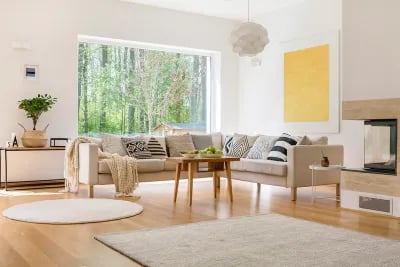
Home staging involves arranging furniture, décor, lighting, and other elements to showcase a property's best features.
The goal is to:
- Make spaces feel inviting
- Highlight functionality
- Maximize visual appeal
- Create a positive emotional connection with buyers
Staging can be done with existing furnishings, rented furniture, or a combination of both.
Why Home Staging Matters
In today's real estate market, many buyers first encounter homes online through listing photos.
A well-staged home can:
- Create stronger first impressions
- Attract more online views
- Generate increased buyer interest
- Help buyers visualize the space
- Make the property feel move-in ready
Homes that show well often stand out in competitive markets.
Focus on Decluttering First
Before staging begins, it's important to remove unnecessary items.
Decluttering helps:
- Make rooms appear larger
- Highlight architectural features
- Reduce distractions
- Create a cleaner appearance
Areas that often benefit from decluttering include:
- Countertops
- Closets
- Shelving
- Entryways
- Storage spaces
Less clutter allows buyers to focus on the home itself.
Depersonalize the Space
Buyers want to imagine themselves living in the home.
To help achieve this:
- Remove personal photographs
- Minimize highly specific décor
- Store personal collections
- Simplify wall decorations
A neutral environment appeals to a broader range of buyers.
Highlight Key Living Areas
Not every room requires extensive staging.
Focus on spaces that have the greatest impact, such as:
- Living rooms
- Kitchens
- Dining areas
- Primary bedrooms
- Bathrooms
These rooms often play a significant role in buyer decision-making.
Maximize Natural Light
Bright, welcoming spaces are generally more appealing.
To improve lighting:
- Open curtains and blinds
- Clean windows
- Replace burned-out bulbs
- Use appropriate lighting fixtures
Well-lit rooms often feel larger and more inviting.
Arrange Furniture Strategically
Furniture placement can affect how buyers perceive a room's size and functionality.
Good staging aims to:
- Improve traffic flow
- Showcase room dimensions
- Define spaces clearly
- Create a sense of openness
Removing excess furniture can often make rooms feel more spacious.
Refresh the Kitchen
The kitchen is one of the most important rooms for many buyers.
Simple staging tips include:
- Clearing countertops
- Organizing cabinets
- Adding fresh flowers or a bowl of fruit
- Cleaning appliances thoroughly
A clean, attractive kitchen can leave a lasting impression.
Make Bathrooms Feel Clean and Relaxing
Bathrooms should feel fresh and well-maintained.
Consider:
- Replacing worn towels
- Removing personal toiletries
- Deep cleaning surfaces
- Updating small accessories
A spa-like atmosphere can enhance buyer appeal.
Don't Forget Curb Appeal
Staging begins before buyers enter the home.
Improve exterior presentation by:
- Mowing the lawn
- Trimming landscaping
- Cleaning walkways
- Adding seasonal flowers
- Refreshing the front door
Strong curb appeal encourages buyers to explore further.
Stage Outdoor Living Spaces
Outdoor areas have become increasingly important to many buyers.
Showcase:
- Patios
- Decks
- Balconies
- Backyard seating areas
Simple outdoor furniture and well-maintained landscaping can help buyers envision how they might use the space.
Address Minor Repairs
Staging is most effective when paired with proper maintenance.
Before listing:
- Fix leaky faucets
- Repair damaged walls
- Replace broken fixtures
- Touch up paint
Small issues can create concerns about overall property upkeep.
Consider Professional Staging
While many sellers successfully stage homes themselves, professional stagers can provide expert guidance.
Professional staging may help:
- Optimize furniture placement
- Create a cohesive design
- Highlight a home's strengths
- Appeal to target buyers
For vacant homes, rented furniture can make rooms feel more welcoming and functional.
Stage for Photography
Since many buyers begin their search online, listing photos are extremely important.
Before photography:
- Ensure all rooms are clean
- Remove clutter
- Turn on lights
- Open window coverings
- Arrange furniture thoughtfully
Strong photos can increase interest and encourage more showings.
Think Like a Buyer
When evaluating your home's presentation, try to view it from a buyer's perspective.
Ask yourself:
- Does the home feel welcoming?
- Are rooms easy to understand?
- Is the space clean and organized?
- Can buyers imagine themselves living here?
This mindset can help identify areas for improvement.
Final Thoughts
Home staging is one of the most effective ways to enhance a property's presentation and attract buyer interest. By decluttering, depersonalizing, improving lighting, highlighting key spaces, and creating a welcoming atmosphere, sellers can help their homes stand out in a competitive market.
While staging does require time and effort, it can significantly improve a home's overall appeal and help create a positive first impression that encourages buyers to take the next step.
--
Tina Jingru Sui 隋静儒
Associate Broker | Team Leader of TJS Team, Keller Williams
 Serving Metro Atlanta — Johns Creek, Alpharetta, Duluth, Suwanee, Buford, and beyond
 404-375-2120


 WeChat: tinasuirealty
 Follow me on Instagram / 小红书 / WeChat / Facebook