What Your Atlanta Home’s Surroundings Could Look Like Five Years From Now
SEO Title: What Your Atlanta Home’s Surroundings Could Look Like Five Years From Now
SEO Subtitle: Learn how development, infrastructure, population growth, businesses, schools, and zoning can shape your Atlanta neighborhood over the next five years
When buying a home, it is natural to focus on what you can see today.
You look at the house, the backyard, the street, and the neighboring properties. You may visit a nearby park or restaurant and imagine your daily life there.
But real estate buyers should also ask another important question:
What could this neighborhood look like five years from now?
A quiet vacant lot could become a new housing development. A small shopping center could be replaced with a larger mixed-use project. A new road could improve access—or increase traffic. A developing community could gain restaurants, parks, schools, and other amenities.
Understanding potential neighborhood changes can help Atlanta buyers make more informed long-term decisions.
Why Five Years Matters in Real Estate
Five years is long enough for a neighborhood to change significantly, but short enough to be relevant to many homeowners.
During that time, an area could experience:
- New housing construction
- Population growth
- Road improvements
- New businesses
- School development
- New parks
- Commercial redevelopment
- Changes in zoning
- Infrastructure projects
These changes may affect both lifestyle and property demand.
Start by Looking at Empty Lots
One of the easiest things to overlook is undeveloped land.
If you see an empty lot near a home you're considering, don't automatically assume it will remain empty.
Research:
- Current zoning
- Property ownership
- Development applications
- Planned projects
- Land-use plans
A vacant lot today could look very different five years from now.
Check for New Housing Developments
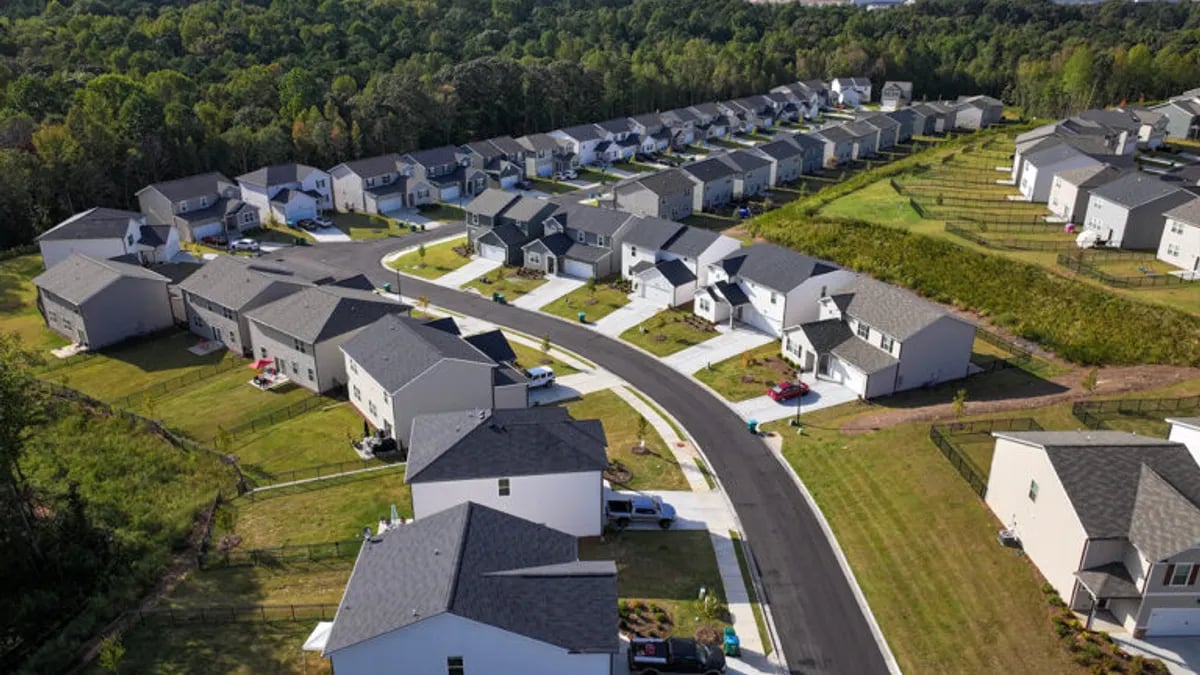
Atlanta and its surrounding communities continue to experience residential growth.
New developments may include:
- Single-family homes
- Townhomes
- Condominiums
- Apartment communities
- Mixed-use developments
New housing can bring more residents, but it can also increase competition if many similar homes enter the market.
For buyers, understanding the scale and type of development matters.
Watch for New Roads and Transportation Projects
Transportation improvements can significantly change a neighborhood.
Look for planned:
- Road expansions
- Intersections
- Bridges
- Highway improvements
- Transit projects
- Sidewalks
- Multi-use trails
A new road may make commuting easier and improve accessibility.
However, it could also bring additional traffic or noise.
The important question is not simply whether infrastructure is being built, but how it will affect your specific property.
Look at Nearby Commercial Development
New businesses can change the character of a neighborhood.
Over the next five years, a community could gain:
- Grocery stores
- Restaurants
- Coffee shops
- Retail centers
- Medical offices
- Fitness centers
- Entertainment venues
Greater access to everyday amenities can make a neighborhood more convenient and attractive.
New Businesses Can Signal Growing Demand
When businesses invest in a community, they are often responding to consumer demand and expected growth.
A growing number of businesses may indicate:
- More residents
- Higher consumer activity
- Increased employment
- Greater investment
However, buyers should look at the broader economic picture rather than assuming that every new business guarantees appreciation.
Schools Can Change a Neighborhood
Education is another factor that can influence future community development.
Over five years, buyers may see:
- New schools
- School expansions
- Boundary changes
- New educational facilities
Families often consider school access when choosing where to live, which can influence housing demand.
Always verify current and future school information with official sources.
Parks and Green Spaces Can Improve the Area
Community improvements aren't always commercial.
A neighborhood may gain:
- Parks
- Trails
- Playgrounds
- Recreation centers
- Greenways
- Community gathering spaces
These improvements can enhance quality of life and make an area more attractive to residents.
Look at the Zoning
Zoning can provide clues about what may be built near your home.
A property zoned for residential use may have different future possibilities than land designated for:
- Commercial
- Mixed-use
- Multifamily
- Industrial
- Institutional development
Understanding nearby zoning can help buyers identify potential future changes.
Don't Assume “Residential” Means One Type of Home
Residential zoning does not always mean single-family homes.
Depending on local regulations, an area may eventually include:
- Townhomes
- Apartments
- Condominiums
- Larger developments
Before buying, investigate the zoning and development rules that apply to nearby properties.
Pay Attention to Population Growth
Population growth can be a major driver of neighborhood change.
As more people move into an area, communities may need additional:
- Homes
- Schools
- Roads
- Stores
- Restaurants
- Healthcare services
This can create new opportunities but can also place pressure on infrastructure.
Employment Growth Can Change Housing Demand
New jobs can attract new residents.
Metro Atlanta has a diverse economy that includes industries such as:
- Technology
- Healthcare
- Logistics
- Finance
- Film and entertainment
- Professional services
If employment expands near a community, housing demand may increase.
What Could Happen to Traffic?
A growing neighborhood can become busier.
Before buying, ask:
- Are new homes planned nearby?
- Are new commercial projects coming?
- Is road capacity being expanded?
- Could a new development increase traffic?
A neighborhood that feels peaceful today may have more activity in five years.
For some buyers, that is positive. For others, it may be a concern.
Consider Both Positive and Negative Changes
Future development is not automatically good or bad.
Potential benefits:
- Better amenities
- Improved roads
- More jobs
- New parks
- Greater convenience
- Increased housing demand
Potential drawbacks:
- More traffic
- Construction noise
- Reduced privacy
- Higher density
- Loss of open space
The goal is to understand the potential impact rather than assume the outcome.
Think About Your Home's Future Resale Appeal
If you plan to sell within five years, future neighborhood conditions may matter.
Ask:
Will this location still appeal to buyers five years from now?
Features that may support long-term demand can include:
- Convenient transportation
- Nearby amenities
- Attractive community spaces
- Employment access
- Quality housing
- Strong neighborhood demand
No factor guarantees future appreciation, but understanding demand can improve your decision-making.
Atlanta Areas Can Change Quickly
Metro Atlanta is made up of many different communities, each experiencing growth at its own pace.
Buyers researching areas such as:
Alpharetta
Look at employment centers, commercial development, transportation, and residential growth.
Johns Creek
Consider schools, parks, established neighborhoods, and future development.
Suwanee
Research new residential communities, commercial projects, parks, and infrastructure.
Buford
Pay attention to residential growth, retail development, transportation, and surrounding communities.
Duluth
Consider commercial activity, transportation, housing supply, and employment access.
Marietta
Look at redevelopment, established infrastructure, transportation, and neighborhood-specific changes.
Woodstock
Research residential expansion, downtown development, recreation, and transportation improvements.
The key is to research the specific property and surrounding area, rather than relying only on citywide trends.
Use a “Five-Year Neighborhood Test”
Before buying, imagine the property five years from now.
Ask:
☐ What is currently being built nearby?
☐ Are there vacant lots?
☐ What are the zoning classifications?
☐ Are new homes planned?
☐ Are businesses moving into the area?
☐ Are roads or transportation projects planned?
☐ Could traffic increase?
☐ Are schools expanding or changing?
☐ Are parks or trails planned?
☐ Is the population growing?
☐ Are employment opportunities increasing?
☐ Would these changes improve or reduce my quality of life?
These questions can help you think beyond the current listing.
Research Official Sources
Online real estate listings can show you what is happening today.
For future development, however, buyers should also research reliable local sources such as:
- City planning departments
- County planning departments
- Transportation agencies
- School districts
- Zoning records
- Development applications
- Official government announcements
Future projects can change, so verify important information before relying on it in a purchase decision.
Don't Buy Based Only on a Future Promise
One common mistake is buying a home because someone says:
“This area is going to be the next big thing.”
Future growth can be difficult to predict.
A planned project may be delayed, redesigned, or canceled.
Instead of relying on promises, look for evidence:
- Approved projects
- Existing investment
- Population trends
- Employment growth
- Infrastructure plans
- Current housing demand
The more concrete the evidence, the better informed your decision can be.
Think About What You Personally Want
Not every buyer wants the same type of neighborhood.
Some people want:
- More restaurants
- More shopping
- Walkability
- New development
- Entertainment
Others prefer:
- Quiet streets
- Large lots
- Less traffic
- Established neighborhoods
- Privacy
A neighborhood becoming more developed may be positive for one buyer and negative for another.
Your future lifestyle matters as much as future property value.
How TJS Team Helps Buyers Look Ahead
At TJS Team, we encourage Metro Atlanta buyers to look beyond the current listing.
When evaluating a property, buyers can consider:
- Current market conditions
- Neighborhood characteristics
- Comparable sales
- New developments
- Transportation
- Local amenities
- Zoning considerations
- Potential resale appeal
The goal is to understand not only what a property looks like today, but also what factors could influence the surrounding area in the future.
Final Thoughts
Buying a home means buying into a location.
The house may look exactly the same five years from now, but the neighborhood around it could change considerably.
New homes, businesses, roads, schools, parks, and infrastructure can reshape a community and influence how convenient, desirable, and valuable an area becomes.
Before making an offer on an Atlanta home, don't just ask:
“Do I like this neighborhood today?”
Also ask:
“Would I still want to live here if the neighborhood looked different five years from now?”
Thinking ahead can help you make a more informed decision and choose a home that fits both your current lifestyle and your long-term goals.
If you're considering buying in Metro Atlanta, TJS Team can help you evaluate properties, neighborhoods, and local market factors so you can look beyond today's listing and make a decision with the future in mind.
--
Tina Jingru Sui 隋静儒
Associate Broker | Team Leader of TJS Team, Keller Williams
Serving Metro Atlanta — Johns Creek, Alpharetta, Duluth, Suwanee, Buford, and beyond
404-375-2120
WeChat: tinasuirealty
Follow me on Instagram / 小红书 / WeChat / Facebook