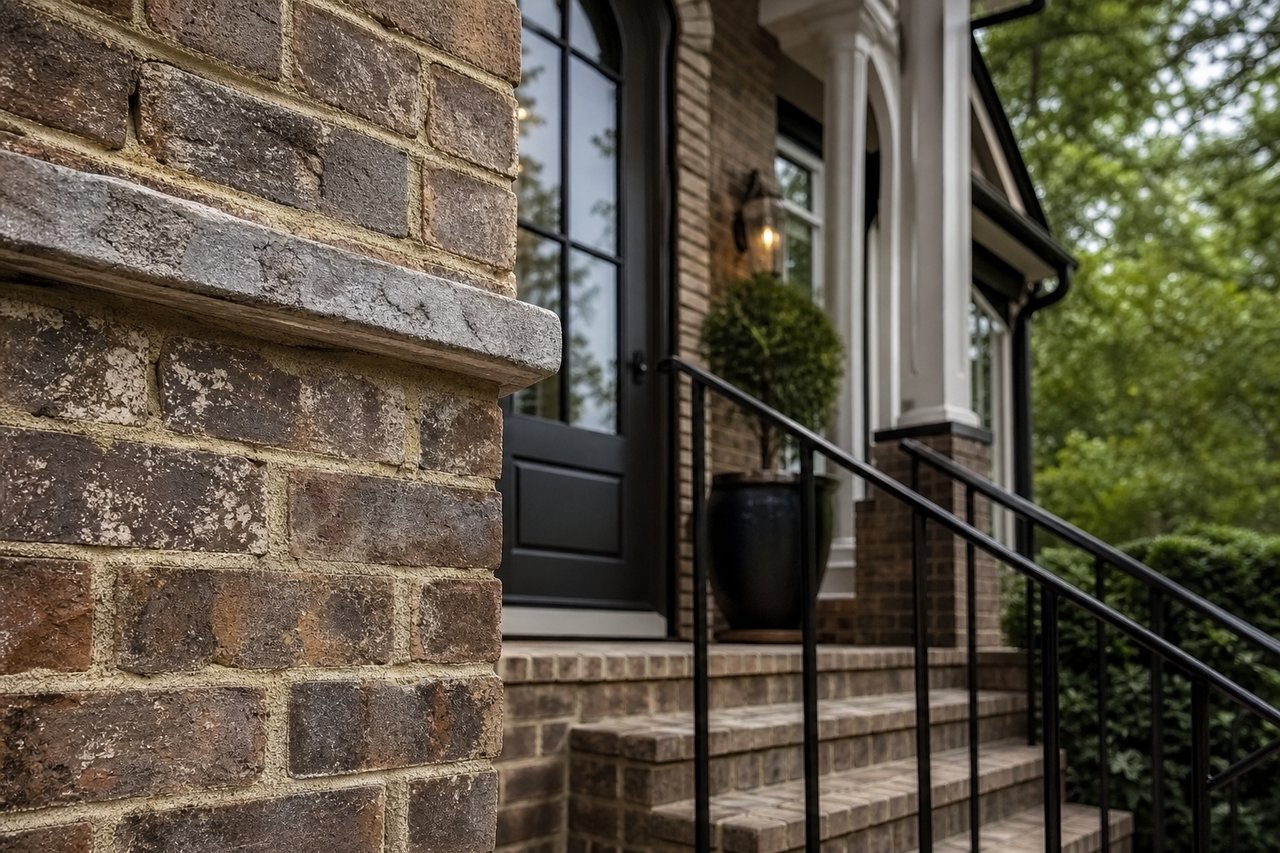
A beautiful home can absolutely be a great purchase—but appearance should never be the entire investment thesis. Before making an offer, look beyond the kitchen, flooring, staging, and finishes. A smart home-buying decision should also consider price, location, layout, major systems, renovation quality, total ownership cost, future repair exposure, and resale flexibility.
Why a Beautiful Atlanta Home Can Still Be a Bad Buy
The finishes may be beautiful. The photos may be perfect. The real question is whether the property still makes sense after you look underneath the presentation.
You walk into the house and immediately notice the kitchen.
New cabinets.
Quartz countertops.
Beautiful lighting.
Updated flooring.
Fresh paint.
Everything photographs well, and the home feels almost perfect.
That first impression matters.
But it can also make buyers stop asking harder questions.
Instead of asking only:
“Do I love this house?”
also ask:
“Does this house still make sense after I remove the emotion?”
A Beautiful Home Still Needs to Pass Five Tests
Price
+ Location
+ Condition
+ Ownership Cost
+ Future Flexibility
should still make sense after the excitement wears off.
1. A Beautiful Interior Cannot Fix the Wrong Location
Paint can change.
Flooring can change.
Cabinets can change.
The location generally cannot.
Before paying a premium for a beautifully finished home, evaluate:
- Your actual commute.
- Road access.
- Traffic at the times you will travel.
- Road noise.
- Nearby land uses.
- Shopping and services you use regularly.
- Parks and recreation.
- Parking and daily access.
You can replace countertops.
You cannot move the house five miles closer to work after closing.
2. Beautiful Finishes Do Not Automatically Justify the Asking Price
Renovated homes often deserve a condition premium compared with similar homes that need substantial updating.
But there is still a limit to what the market may support.
Before making an offer, compare:
- Recent relevant closed sales.
- Renovated versus non-renovated comps.
- Above-grade square footage.
- Bedroom and bathroom count.
- Basement configuration.
- Lot.
- Floor plan.
- Major-system condition.
Renovation cost does not automatically equal market value.
A seller spending $100,000 on improvements does not mean buyers will necessarily value the property exactly $100,000 higher.
Separate What Is Expensive From What Is Impressive
Some features create an immediate visual reaction but are relatively easy to change.
Easy to Notice | Often More Important to Investigate |
|---|---|
Cabinet color | Roof condition |
Pendant lights | HVAC condition |
Backsplash | Plumbing |
Staging | Drainage and moisture |
Paint color | Electrical condition |
3. Cosmetic Renovation and Mechanical Condition Are Two Different Things
A house can have a brand-new kitchen and still have:
- An older roof.
- Older HVAC systems.
- An older water heater.
- Older plumbing components.
- Electrical issues.
- Drainage or moisture concerns.
- Deferred exterior maintenance.
Buyers sometimes subconsciously assume:
“The kitchen is new, so the house must be updated.”
That conclusion may not be correct.
Also remember: older does not automatically mean defective.
Evaluate Age + Actual Condition + Maintenance History + Inspection Findings + Future Repair Exposure.
4. “Recently Renovated” Does Not Tell You the Quality of the Renovation
Renovation quality varies.
If a home has been significantly updated, ask:
- What work was completed?
- When was it completed?
- Who performed the work?
- Are receipts or warranties available?
- Were permits required for portions of the work?
- Were structural, plumbing, or electrical systems modified?
Permit requirements depend on the work and jurisdiction, so the absence or presence of a permit should be evaluated based on what was actually done.
A renovation should be evaluated for workmanship—not just appearance.
5. Don't Let a Beautiful Showing Make You Skip Due Diligence
A well-presented home can create an unconscious feeling that there is less to investigate.
But cosmetic condition does not replace due diligence.
A professional home inspection may help identify visible or accessible conditions involving:
- Roofing.
- Electrical.
- Plumbing.
- HVAC.
- Structure.
- Moisture.
- Exterior conditions.
- Other observable components within the inspection's scope.
An inspection cannot guarantee that every current or future problem will be discovered.
It can, however, give you substantially more information than a showing alone.
6. Beautiful Rooms Cannot Fix a Floor Plan That Does Not Work for You
Staging can make almost any room photograph beautifully.
But imagine your actual furniture and daily routine inside the space.
Ask:
- Are the bedrooms actually large enough?
- Is there enough storage?
- Does the kitchen function for the way I cook?
- Is the laundry location practical?
- Does the traffic flow make sense?
- Are there rooms I am paying for but unlikely to use?
Don't ask only:
“Does this room photograph well?”
Ask:
“Will this room work well on a normal Tuesday?”
7. A Beautiful Home Can Still Be Financially Uncomfortable
Buyers often focus on whether they can qualify for the purchase price.
But qualification and comfortable ownership are different questions.
Your housing cost may include:
Mortgage
+ Property Taxes
+ Homeowners Insurance
+ HOA / Condo Fees
+ Utilities
+ Maintenance
+ Future Repair Reserve
= A More Complete Ownership Cost
A beautifully renovated home may still be a poor fit if owning it leaves very little room for savings, emergencies, travel, retirement, or other priorities.
Property taxes deserve particular attention because the seller's current bill does not necessarily equal what you will pay after purchasing.
The seller may have exemptions or other tax treatment that does not apply to you.
Ask your lender and the appropriate local taxing authorities for buyer-specific estimates when taxes materially affect your decision.
8. Today's Beautiful Kitchen Does Not Pay for Tomorrow's Roof
Imagine the home has:
- A beautifully remodeled kitchen.
- Updated bathrooms.
- New flooring.
But also:
- An older roof.
- Older HVAC equipment.
- Older windows.
- Deferred exterior maintenance.
The home may still be a very good purchase.
But your budget should recognize the difference between:
Cosmetic Condition
and
Capital / Mechanical Condition
9. Be Careful About Paying for an Over-Improved Home
Occasionally, a seller invests heavily in a property relative to the surrounding competitive market.
The result may be beautiful.
But buyers still need to ask how much of that improvement the market is actually supporting.
Compare the home with:
- Nearby renovated sales.
- Similar size and lot.
- Similar floor plans.
- Comparable basement configurations.
Paying above nearby evidence can still be a personal choice.
Just understand the premium you are paying and why.
10. Expensive Features Are Only Valuable If They Matter to You
A home may include:
- A pool.
- Extensive outdoor living.
- Highly customized built-ins.
- Specialty rooms.
- Complex smart-home systems.
These may be excellent features for the right buyer.
But if you will not use them, be cautious about paying a major premium while still accepting the maintenance responsibility.
11. Ask Whether the Home Still Works Five Years From Now
You do not need to predict your entire future.
But you can evaluate flexibility.
Consider:
- Flexible rooms.
- Storage.
- Work-from-home possibilities.
- Accessibility of important living spaces.
- Future ownership costs.
- Whether the location still works if your routine changes.
A home does not need to work forever.
But greater flexibility can give you more options if your life changes.
12. Remember That Future You May Be the Seller
Buyers understandably focus on what they love today.
But someday you may need to sell.
Future buyers may evaluate:
- Location.
- Functional floor plan.
- Parking.
- Lot.
- Storage.
- Condition.
- Road exposure.
- Ownership cost.
Attractive finishes can help presentation.
But they do not guarantee future appreciation, resale speed, or buyer demand.
The Emotional Premium: Are You Paying More Because the House Feels Finished?
Move-in-ready presentation has real value.
Many buyers prefer not to renovate.
There is nothing wrong with paying for convenience.
The key is recognizing when you are paying for it.
A finished home may save you time, renovation work, and inconvenience.
Those benefits can be valuable.
Just don't confuse convenience with automatic financial value.
The “Beautiful Home” Red-Flag Test
☐ Would I still like the property if the walls were painted plain white and the staging disappeared?
☐ Does the location genuinely work for my daily routine?
☐ Do relevant comparable sales support the price?
☐ Am I paying a large renovation premium?
☐ Do I understand the age and condition of major systems?
☐ Do I understand what was actually renovated?
☐ Does the floor plan work without the staging?
☐ What are my realistic taxes, insurance, HOA, and utilities?
☐ What near-term repairs should I plan for?
☐ Can I comfortably afford the home after closing?
☐ Would the home still work if my life changes in several years?
☐ If the home appreciates more slowly than I hope, would I still be comfortable owning it?
Beautiful House vs. Smart Purchase
Beautiful House Question | Smart Purchase Question |
|---|---|
Do I love the kitchen? | Does the whole property justify the price? |
Does it look new? | What is the actual condition of the systems? |
Is it move-in ready? | What future maintenance exposure exists? |
Can I qualify for it? | Can I comfortably own it? |
Does it feel perfect today? | Does it give me enough flexibility for tomorrow? |
Frequently Asked Questions
Is it bad to pay more for a renovated Atlanta home?
Not necessarily. A renovated home can save significant time, effort, and disruption. The key is understanding how the premium compares with relevant renovated sales, the quality of the work, and the condition of the rest of the property.
Does a new kitchen mean the home is fully updated?
No. Cosmetic renovations and major mechanical systems should be evaluated separately. A home may have updated finishes while retaining an older roof, HVAC, plumbing, electrical components, windows, or other systems.
Should I avoid a home with an older HVAC or roof?
Not automatically. Age is one factor. Evaluate actual condition, maintenance history, inspection findings, expected remaining service exposure, replacement cost, and how those factors are reflected in the price.
Is a flipped house automatically risky?
No. Renovated or investor-owned properties can range widely in workmanship and scope. Review what work was completed, available documentation, inspection findings, and permits where applicable rather than judging solely based on who renovated the property.
Does professional staging hide problems?
Staging is intended to improve presentation and help buyers visualize a space. Buyers should still independently evaluate layout, storage, condition, systems, documents, disclosures, and inspection findings rather than relying on appearance alone.
How do I know if a beautifully renovated home is overpriced?
Compare it with recent relevant sales, especially other renovated properties with similar location, size, lot, floor plan, basement, and condition. A real estate professional can help identify which comps are functionally relevant and where meaningful adjustments may be necessary.
Should I buy the less attractive home if it is cheaper?
Not automatically. Compare total cost, location, condition, renovation needs, layout, major systems, and your willingness to complete future improvements. Sometimes paying more for a finished home is worthwhile; sometimes the less visually impressive property provides better overall value.
Don't Buy Only Because It Is
Beautiful.
Buy Because
Price + Location + Condition + Ownership Cost + Layout + Future Flexibility
also make sense.
Final Thoughts: Love the House—Then Analyze It
There is nothing wrong with falling in love with a beautiful home.
You are buying a place where you may spend years of your life.
Emotion belongs in the decision.
It just should not be the only thing making the decision.
After you notice the kitchen, flooring, design, and backyard, go back and ask:
Does the location work?
Does the price make sense?
What is the real condition?
What will ownership cost me?
Will the layout still work later?
What risks am I accepting?
The goal is not to remove emotion from buying a home.
The goal is to make sure the facts still support the decision after the emotion gets you interested.
Fell in Love With an Atlanta Home?
Before deciding how aggressive to be, we can separate the home's presentation from its underlying value. We can compare relevant recent sales, current competition, renovation level, floor plan, location, major systems, ownership costs, and property-specific risks so you can decide whether the house is simply beautiful—or genuinely a strong fit for your goals.
Tina Jingru Sui | TJS Team
Search Metro Atlanta Homes at TinaSui.com →
About Tina Jingru Sui
Tina Jingru Sui is the founder and leader of the TJS Team, serving buyers, sellers, investors, and relocation clients throughout Metro Atlanta.
Tina and her team serve communities including Johns Creek, Alpharetta, Suwanee, Duluth, Buford, Dacula, Marietta, Roswell, Sandy Springs, Smyrna, Lawrenceville, and surrounding Metro Atlanta areas.
Keller Williams Atlanta Partners · (404) 375-2120
This article is provided for general informational and educational purposes only and does not constitute legal, financial, tax, lending, appraisal, inspection, engineering, construction, insurance, investment, or other professional advice. A property's appearance, renovation level, age, asking price, or component age does not by itself establish its condition, value, remaining useful life, or suitability for a particular buyer. Older roofs, HVAC systems, water heaters, plumbing, electrical components, windows, and other systems are not automatically defective or in need of immediate replacement. Renovation cost does not necessarily translate dollar-for-dollar into market value. Home inspections have limitations and cannot guarantee discovery of every existing or future defect. Permit requirements vary based on jurisdiction and scope of work. Property taxes, insurance, HOA fees, utilities, maintenance, and future repairs may change. Comparable-sale analysis requires judgment and property-specific adjustments. Appreciation, resale demand, future value, days on market, and investment performance are not guaranteed. Buyers should independently verify material information and consult appropriate inspectors, contractors, engineers, attorneys, lenders, appraisers, insurance professionals, tax professionals, or other qualified specialists as needed. Equal Housing Opportunity. Tina Jingru Sui, GA License #392936, REALTOR®, affiliated with Keller Williams Atlanta Partners and regulated by the Georgia Real Estate Commission.