Why Community Growth Often Increases Housing Demand
Community growth plays a major role in shaping local real estate markets. As neighborhoods and cities continue to develop, housing demand often increases alongside improvements in infrastructure, employment opportunities, public amenities, and overall quality of life.
Growing communities tend to attract new residents, businesses, and investors, all of which can contribute to stronger demand for homes. Buyers are often drawn to areas that offer long-term potential, convenience, and expanding lifestyle opportunities.
Understanding how community growth influences housing demand can help buyers, sellers, and investors make more informed real estate decisions and better evaluate future market potential.
1. Job Growth Attracts More Residents
One of the biggest drivers of housing demand is employment growth.
When companies expand or relocate to an area, more people may move into the community seeking:
- Career opportunities
- Higher incomes
- Better economic stability
As population increases, demand for housing often rises as well.
2. Infrastructure Improvements Increase Accessibility
Growing communities often invest in infrastructure projects such as:
- New roads and highways
- Public transportation systems
- Sidewalks and bike trails
- Utility improvements
Better infrastructure can make neighborhoods more convenient and attractive to buyers.
3. New Businesses Improve Lifestyle Convenience
Community growth often brings additional:
- Restaurants
- Retail centers
- Grocery stores
- Entertainment venues
These amenities improve daily convenience and may attract more homebuyers to the area.
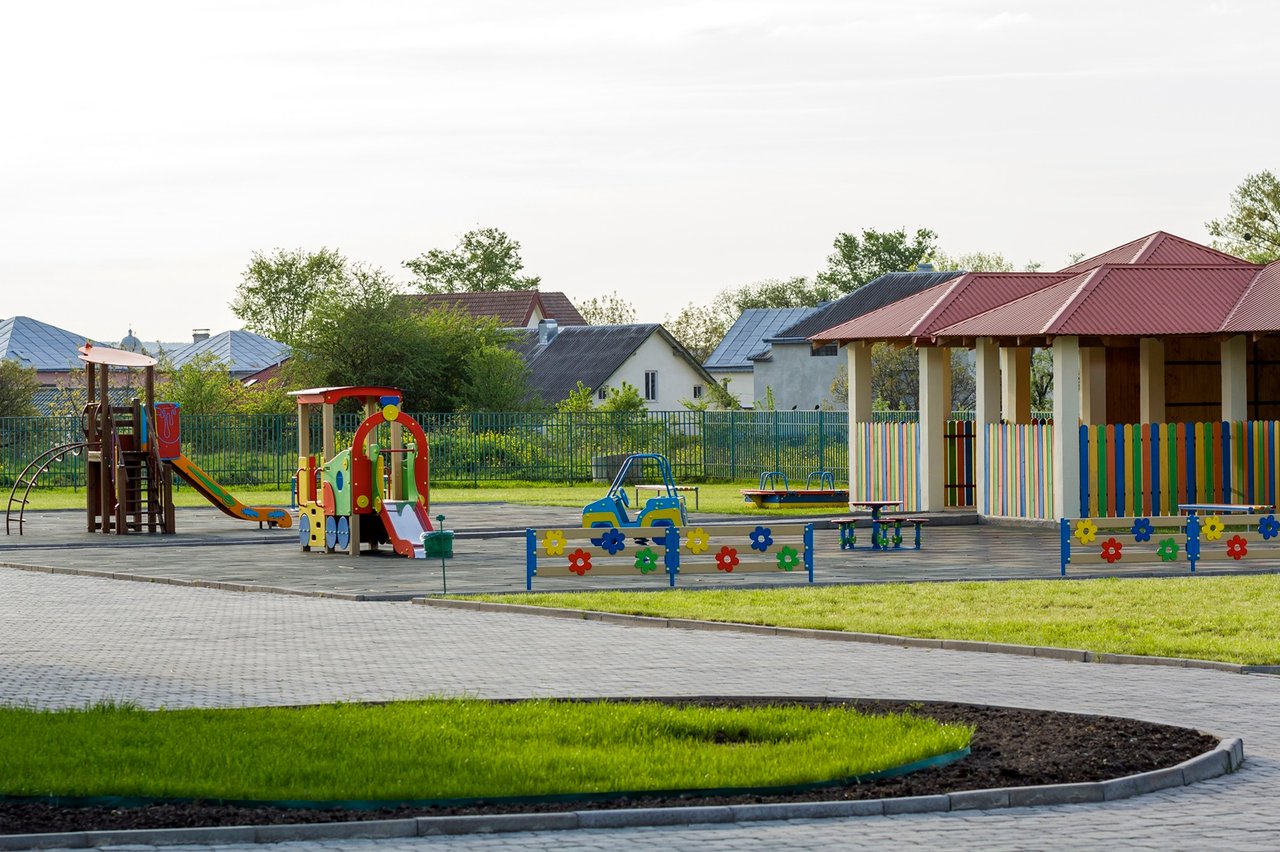
4. School Development Influences Family Demand
Families frequently prioritize communities with strong educational opportunities.
Growing areas may invest in:
- New schools
- Expanded educational programs
- Improved facilities
Quality schools often contribute to higher long-term housing demand.
5. Parks and Recreation Increase Neighborhood Appeal
Modern buyers increasingly value access to:
- Parks
- Walking trails
- Green spaces
- Recreation centers
Communities that invest in outdoor amenities often attract residents seeking active lifestyles and improved quality of life.
6. Population Growth Supports Housing Activity
As more people move into a community, the need for housing naturally increases.
Population growth may lead to:
- Higher buyer demand
- New housing construction
- Increased rental activity
Expanding populations often strengthen local real estate markets.
7. Community Improvements Create Buyer Confidence
Visible investment in a community can improve buyer perception.
Examples include:
- Streetscape upgrades
- Public facility improvements
- Beautification projects
- Transit expansion
These changes may signal long-term stability and future growth potential.
8. Expanding Amenities Attract Diverse Buyers
Growing communities often appeal to a wider range of buyers, including:
- First-time homeowners
- Families
- Retirees
- Investors
- Remote workers
Broader buyer interest can increase overall market activity.
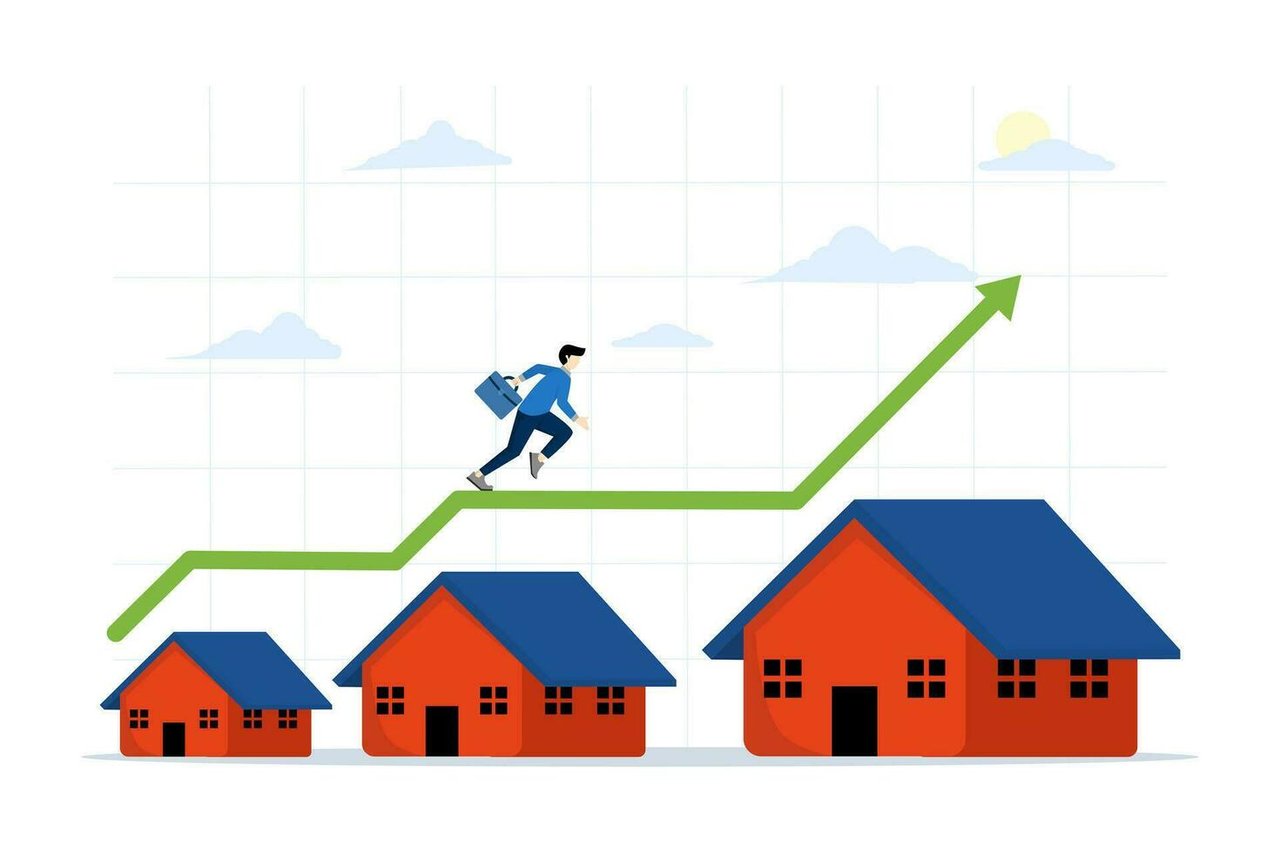
9. Housing Demand May Increase Property Values
As demand grows and inventory becomes more competitive, property values may rise over time.
Strong demand can contribute to:
- Faster home sales
- Increased competition
- Long-term appreciation potential
However, market conditions still vary by location and economic factors.
10. Remote Work Trends Have Changed Growth Patterns
Remote and hybrid work have influenced where many people choose to live.
Some buyers now prioritize:
- Suburban communities
- Smaller cities
- Areas with more space and affordability
This shift has contributed to growth in many developing communities outside traditional urban centers.
11. Transportation Access Influences Demand
Easy access to transportation remains important for many buyers.
Communities near:
- Major highways
- Transit systems
- Airports
- Employment centers
often experience stronger housing demand because of convenience and accessibility.
12. Community Reputation Plays an Important Role
As communities grow positively, they may develop stronger reputations for:
- Safety
- Quality of life
- Good schools
- Economic opportunity
Positive reputation can attract long-term buyer interest.
13. New Construction Often Follows Demand
Growing communities frequently see increased residential development.
Builders may respond by creating:
- New subdivisions
- Townhome communities
- Apartment developments
- Mixed-use projects
New construction helps meet rising housing demand.
14. Investors Often Target Growing Areas
Real estate investors frequently monitor communities experiencing:
- Population growth
- Economic expansion
- Infrastructure development
These factors may create opportunities for:
- Rental income
- Long-term appreciation
- Future resale value
Growing areas often attract investor attention because of their potential.
15. Community Growth Supports Local Economies
As housing demand increases, local economies may continue expanding through:
- Retail growth
- Service industries
- Construction activity
- Increased consumer spending
Economic growth and housing demand often support each other.
16. Buyers Often Seek Long-Term Stability
Many homebuyers look for communities with strong future potential.
Growing areas may offer:
- Better long-term investment confidence
- Expanding amenities
- Improved infrastructure
- Increasing property demand
Long-term community development often influences purchasing decisions.
17. Growth Can Increase Competition Among Buyers
As communities become more desirable, competition may increase.
Popular growth areas may experience:
- Multiple-offer situations
- Faster home sales
- Reduced inventory availability
Understanding local growth trends helps buyers prepare for changing market conditions.
18. Real Estate Professionals Help Analyze Growth Trends
Experienced real estate professionals help buyers and sellers evaluate:
- Development plans
- Local market activity
- Future infrastructure projects
- Neighborhood growth patterns
Professional insight can help clients better understand long-term community potential.
Final Thoughts
Community growth often leads to increased housing demand because expanding infrastructure, economic development, new amenities, and improved quality of life attract more residents and investment. As neighborhoods continue evolving, buyer interest frequently grows alongside these positive changes.
For buyers, sellers, and investors, understanding community growth trends can provide valuable insight into future housing demand, market stability, and long-term property value potential.
Ultimately, real estate decisions are not only about the home itself—they are also closely connected to the future growth and success of the surrounding community.
--
Tina Jingru Sui 隋静儒
Associate Broker | Team Leader of TJS Team, Keller Williams
Serving Metro Atlanta — Johns Creek, Alpharetta, Duluth, Suwanee, Buford, and beyond
404-375-2120
WeChat: tinasuirealty
Follow me on Instagram / 小红书 / WeChat / Facebook