Why Homes Near New Developments Often Increase in Value
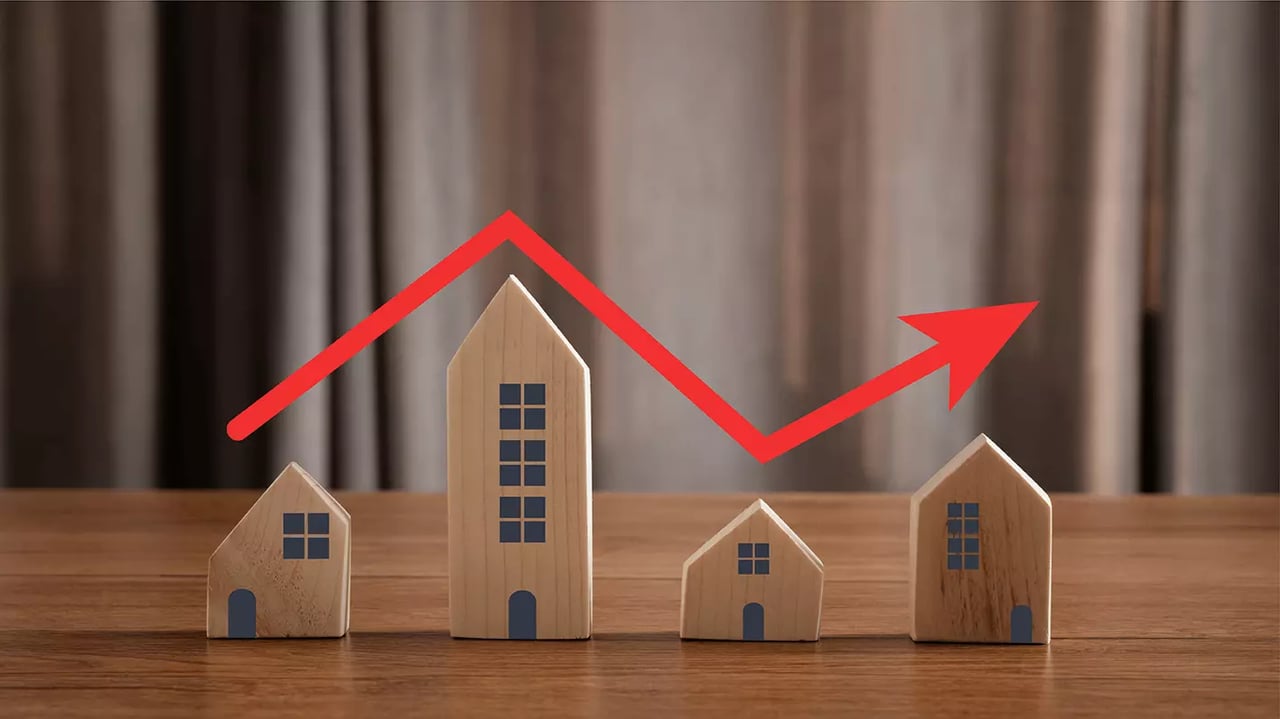
When buying a home, many people focus on the property itself—but what's happening around the neighborhood can be just as important. New developments, such as shopping centers, parks, schools, transportation improvements, and business districts, can significantly influence a community's appeal and, in many cases, contribute to rising home values over time.
While no investment is guaranteed, understanding how nearby development projects affect the local housing market can help buyers and investors make more informed decisions. If you're considering purchasing a home in Metro Atlanta, here's why homes near new developments often become more valuable.
1. New Developments Attract More Buyers
As communities grow and improve, they often attract new residents.
New developments may appeal to:
- First-time homebuyers
- Growing families
- Young professionals
- Retirees
- Real estate investors
Increased buyer interest can strengthen housing demand, which may support home values over time.
2. More Jobs Can Increase Housing Demand
Commercial developments often create employment opportunities.
Examples include:
- Corporate offices
- Medical centers
- Technology companies
- Distribution facilities
- Retail businesses
As more people move to the area for work, demand for nearby housing may increase.
3. Improved Infrastructure Enhances Convenience
Many new developments are accompanied by public infrastructure improvements.
These may include:
- Road expansions
- New intersections
- Sidewalks
- Bike paths
- Public transportation improvements
- Traffic management upgrades
Better accessibility often makes a neighborhood more attractive to future buyers.
4. New Shopping and Dining Add Convenience
Many buyers value easy access to everyday necessities.
New developments may introduce:
- Grocery stores
- Restaurants
- Coffee shops
- Retail centers
- Entertainment venues
- Fitness centers
Convenient amenities can improve quality of life and make nearby homes more desirable.
5. New Schools Can Attract Families
The construction of new schools or improvements to existing educational facilities may increase interest from families seeking long-term homes.
Strong educational resources often contribute to neighborhood stability and continued buyer demand.
Before purchasing, buyers should always verify school assignments directly with the local school district, as attendance boundaries may change.
6. Parks and Green Spaces Increase Neighborhood Appeal
Many master-planned developments include outdoor recreational amenities.
These may feature:
- Walking trails
- Parks
- Playgrounds
- Community gardens
- Sports fields
- Green spaces
Access to recreational areas can make neighborhoods more attractive to both homeowners and future buyers.
7. Population Growth Supports Local Housing Markets
As communities expand, population growth often follows.
More residents may create:
- Increased housing demand
- Stronger rental markets
- Greater business investment
- Expanded community services
Population growth is one factor that can support long-term neighborhood development.
8. Increased Demand May Support Property Values
When demand rises while housing inventory remains relatively limited, competition among buyers may increase.
This can contribute to:
- Higher sale prices
- Faster sales
- Greater buyer interest
- Stronger resale potential
However, home values are influenced by multiple factors, including market conditions and available inventory.
9. Rental Demand May Grow
New employment centers and commercial developments often attract renters as well as homebuyers.
For investors, nearby development may contribute to:
- Higher rental demand
- Lower vacancy rates
- Broader tenant pools
Rental performance will vary depending on the local market and property type.
10. Community Investment Can Improve Neighborhood Image
Visible investment often reflects confidence in an area's future.
Examples include:
- Streetscape improvements
- Public art
- Community gathering spaces
- Improved lighting
- Beautification projects
These enhancements can increase neighborhood appeal and encourage additional investment.
11. Property Owners May Benefit From Long-Term Growth
Homeowners who purchase before or during a period of community expansion may benefit from improvements that increase neighborhood desirability.
While appreciation is never guaranteed, sustained community investment can contribute to stronger long-term market performance.
12. Not Every Development Has the Same Impact
It's important to remember that different projects influence neighborhoods differently.
Before purchasing, consider:
- Type of development
- Expected traffic changes
- Noise levels
- Construction timeline
- Environmental impact
- Future zoning plans
Understanding both the benefits and potential drawbacks helps buyers make balanced decisions.
13. Research Future Development Plans
Before buying, investigate planned projects in the surrounding area.
Useful sources may include:
- Local government planning departments
- City or county development plans
- Community meetings
- Public infrastructure announcements
Learning about future growth can provide valuable insight into a neighborhood's long-term potential.
14. Metro Atlanta Continues to Grow
Metro Atlanta continues to experience growth through:
- Business expansion
- Residential development
- Transportation improvements
- Mixed-use communities
- Healthcare facilities
- Educational investments
Many communities throughout the region continue to attract buyers seeking both lifestyle and long-term investment opportunities.
15. Work With an Experienced Metro Atlanta Real Estate Professional
A knowledgeable local real estate professional can help you:
- Identify neighborhoods experiencing positive growth
- Interpret local market trends
- Review future development plans
- Compare recent home sales
- Evaluate long-term investment potential
- Find properties that align with your goals
Their local expertise can help you make informed decisions in a changing market.
Final Thoughts
New developments can significantly influence the desirability of a neighborhood by bringing improved infrastructure, employment opportunities, shopping, recreation, and other community enhancements. As these improvements attract more residents and increase housing demand, nearby homes may experience stronger long-term market appeal and value growth, although no future appreciation is guaranteed.
If you're planning to buy a home or invest in real estate in Metro Atlanta, looking beyond the property itself and evaluating the surrounding area's future development plans can be a smart strategy. By researching neighborhood growth and partnering with an experienced Metro Atlanta real estate professional, you'll be better positioned to make confident decisions that support both your lifestyle and your long-term real estate goals.
--
Tina Jingru Sui 隋静儒
Associate Broker | Team Leader of TJS Team, Keller Williams
Serving Metro Atlanta — Johns Creek, Alpharetta, Duluth, Suwanee, Buford, and beyond
404-375-2120
WeChat: tinasuirealty
Follow me on Instagram / 小红书 / WeChat / Facebook