Why Some Homes Feel Bigger Than Their Square Footage
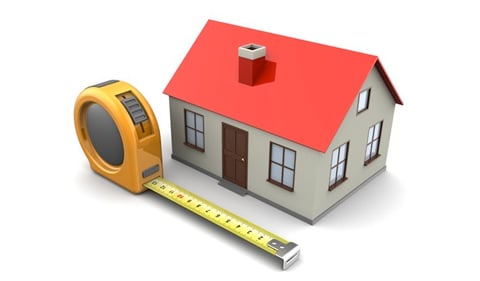
When touring homes, buyers often notice something interesting: two houses with the same square footage can feel completely different in size. One may feel cramped, while another feels open and spacious—even if the numbers are identical.
This difference usually comes down to design, layout, lighting, and proportions rather than the total square footage alone. In markets like Atlanta, homes that feel larger than their actual size often attract stronger buyer interest and maintain value more easily.
1. Efficient Layout and Floor Plan
The way a home is organized has a major impact on how spacious it feels. Homes that maximize usable space tend to feel much larger than homes with inefficient layouts.
Key features of efficient layouts include:
-
Minimal wasted hallway space
-
Open connections between kitchen, dining, and living areas
-
Logical placement of bedrooms and bathrooms
-
Flexible spaces that can serve multiple purposes
When every square foot is used thoughtfully, the home naturally feels more open and functional.
2. Open and Connected Living Areas
Modern home design often emphasizes open-concept living, where major gathering spaces flow together. This design reduces visual barriers and creates a sense of continuity throughout the home.
Benefits of open layouts include:
-
More natural movement between rooms
-
Better use of shared living space
-
Improved natural light distribution
Even modestly sized homes can feel significantly larger when walls and unnecessary partitions are minimized.
3. Natural Light and Window Placement
Natural light plays a powerful role in how spacious a home feels. Bright spaces appear larger, cleaner, and more inviting.
Homes that feel larger often have:
-
Large windows in living areas
-
Balanced daylight throughout the home
-
Clear outdoor views that visually extend the space
Sunlight can transform even small rooms into bright and welcoming environments.
4. Ceiling Height and Vertical Space
Higher ceilings create a feeling of openness and airiness. Even a difference of one or two feet in ceiling height can dramatically change how a room feels.
Design features that enhance vertical space include:
-
Vaulted or tray ceilings
-
Tall windows or sliding glass doors
-
Vertical architectural lines
These elements draw the eye upward and make rooms appear more spacious.
5. Smart Storage Solutions
Clutter quickly makes a home feel smaller. Homes designed with effective storage options tend to maintain a clean and open appearance.
Look for:
-
Built-in cabinets or shelving
-
Walk-in closets
-
Garage or basement storage
-
Kitchen pantry space
Good storage allows homeowners to keep living areas tidy and visually spacious.
6. Consistent Design and Flow
When flooring, colors, and materials remain consistent throughout the home, spaces feel more connected. This continuity prevents visual breaks that can make a home feel smaller.
For example:
-
Similar flooring throughout main living areas
-
Neutral colors that reflect light
-
Coordinated finishes across rooms
Consistency creates a smooth visual flow that enhances the perception of space.
Final Thoughts
Square footage is only one measure of a home’s size. The design, layout, lighting, and spatial balance often matter far more in determining how large a home feels.
In competitive markets like Atlanta, buyers frequently gravitate toward homes that feel open, bright, and efficient—even if their square footage is modest.
Ultimately, the homes that feel largest are not always the biggest ones—they are simply the ones designed to make the best use of every space.
--
Tina Jingru Sui 隋静儒
Associate Broker | Team Leader of TJS Team, Keller Williams
 Serving Metro Atlanta — Johns Creek, Alpharetta, Duluth, Suwanee, Buford, and beyond
 404-375-2120


 WeChat: tinasuirealty
 Follow me on Instagram / 小红书 / WeChat / Facebook