Why the House Across the Street Could Affect Your Home’s Future Value
SEO Title: Why the House Across the Street Could Affect Your Home’s Future Value
SEO Subtitle: Learn why nearby homes, property condition, development, traffic, and neighborhood appearance can influence the future appeal and value of your Atlanta home
When buying a home, it's natural to focus on the property you're purchasing.
You look at the kitchen, bedrooms, backyard, floor plan, and finishes.
But there's another factor that deserves attention:
What is directly across the street?
The house across from you may not belong to you, but it can influence your home's privacy, curb appeal, daily experience, and potentially how future buyers perceive the property.
This doesn't mean a neighboring home automatically determines your property's value. Real estate values are influenced by many factors, including location, market conditions, comparable sales, condition, and buyer demand.
But surrounding properties can still matter.
1. First Impressions Start Outside Your Property
Imagine a buyer pulling up to your home for the first time.
Before they even enter your house, they see:
- Your front yard
- The street
- Nearby homes
- Driveways
- Landscaping
- Parking
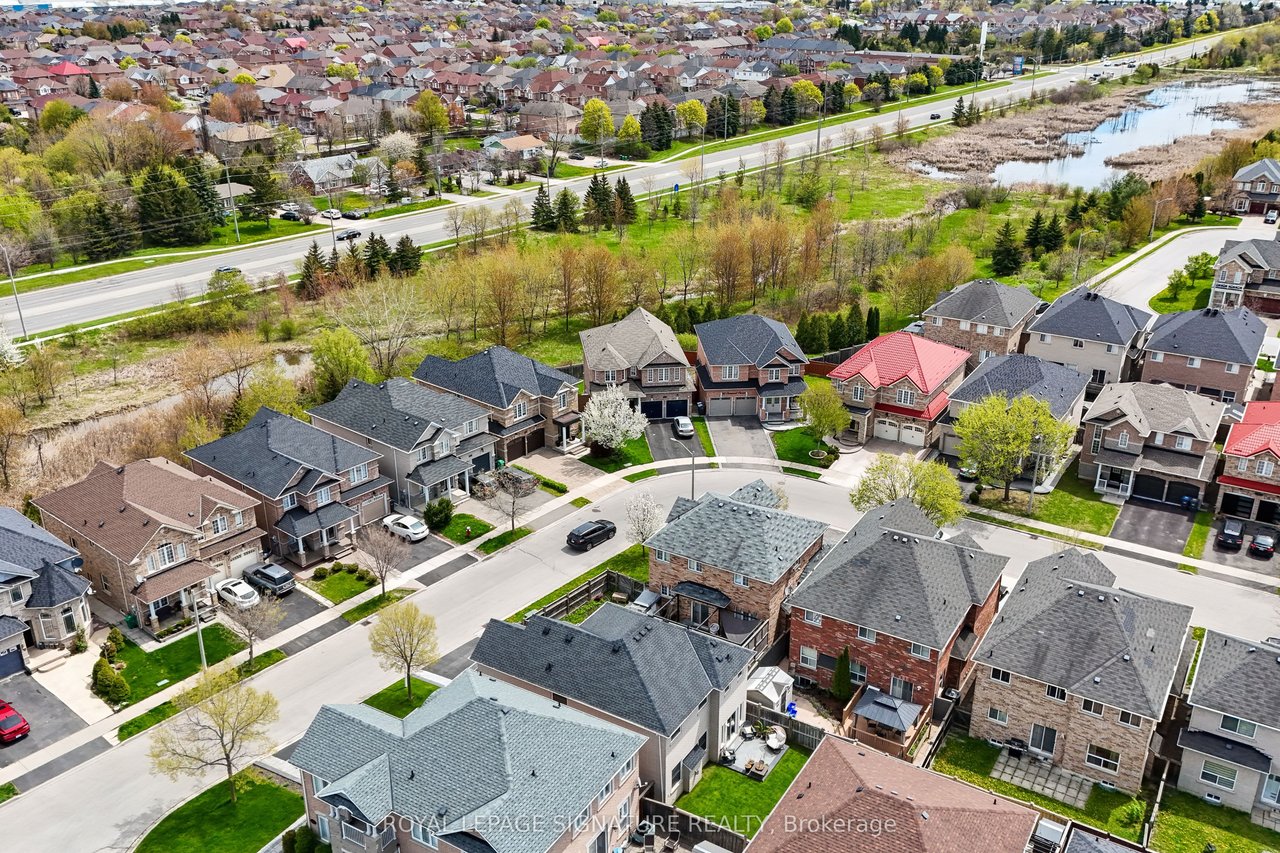
- The overall neighborhood
If the homes around you are well maintained, the entire street can feel more attractive.
If nearby properties appear neglected, buyers may notice that too.
2. The Condition of Nearby Homes Matters
A well-maintained home across the street can contribute to a neighborhood's overall appearance.
But a property with:
- Overgrown landscaping
- Peeling paint
- Broken fencing
- Abandoned vehicles
- Excessive clutter
may create a different impression.
One property doesn't necessarily determine the value of an entire neighborhood, but repeated maintenance issues across several properties can become more significant.
3. What Happens When the Property Is Renovated?
A neighboring property could actually become more attractive over time.
For example, a house across the street might eventually receive:
- New landscaping
- Exterior renovations
- A new roof
- Fresh paint
- Updated windows
- A renovated driveway
Those improvements could contribute positively to the appearance of the street.
This is one reason buyers should think about the potential of nearby properties, not just their current condition.
4. Privacy Can Affect Buyer Appeal
What sits across the street can influence how private your home feels.
Consider:
- How close the houses are
- Whether front windows face each other
- Street activity
- Landscaping
- Fencing
- Porch and driveway placement
If privacy is important to you, don't just look inside the home.
Stand in the front yard and look across the street.
Ask:
“Would I feel comfortable living here?”
5. Parking Can Change the View
A house across the street with limited parking may result in more vehicles being parked along the road.
That could affect:
- Street appearance
- Visitor parking
- Traffic flow
- Ease of entering or leaving your driveway
When touring a property, don't judge parking based on one visit.
Consider returning during evenings or weekends when residents are more likely to be home.
6. Nearby Lots Can Change
A property across the street may look harmless today but could change in the future.
For example, a vacant or underused property could potentially become:
- A new home
- Townhomes
- Apartments
- Retail
- Offices
- Community facilities
Future development isn't necessarily negative.
It could bring new amenities and investment into the area.
But it could also change traffic, density, noise, or privacy.
That's why it's worth researching what is planned around a property before buying.
7. Traffic Is Part of the Location
The property across the street may have a driveway or access point that affects traffic patterns.
Look at:
- How cars enter and leave
- Street width
- Nearby intersections
- School traffic
- Commercial traffic
- Visitor parking
A home that seems peaceful at 2 PM may have significantly more activity during rush hour.
8. Noise Can Come From Nearby Properties
Listing photos don't show noise.
The property across the street could be close to:
- A busy road
- A business
- A school
- A community facility
- A construction site
Pay attention during different times of the day.
If noise matters to you, don't make your decision based on one quiet showing.
9. Neighborhood Appearance Can Influence Perception
Buyers often evaluate neighborhoods as a whole.
A street with consistent landscaping, attractive homes, and good maintenance can create a stronger first impression.
This is one reason curb appeal isn't limited to your own property.
You control your home.
But your home's surroundings contribute to the experience buyers have when they visit.
10. Don't Assume One Neighbor Determines Your Home's Value
It's important to keep this in perspective.
A single house across the street does not automatically determine your home's future value.
Property values depend on many factors, including:
- Location
- Comparable sales
- Supply and demand
- Home condition
- Lot size
- School considerations
- Economic conditions
- Interest rates
- Neighborhood trends
The surrounding property is simply one piece of the larger picture.
11. Think About Future Resale
Even if you love the property today, imagine showing it to a future buyer.
What will they see when they arrive?
Ask:
“Would the surroundings make this home easier or harder to market?”
A buyer might care about the same things you care about:
- Noise
- Traffic
- Parking
- Privacy
- Curb appeal
- Neighborhood condition
Thinking like a future buyer can help you evaluate the property more objectively.
12. Look at More Than One House
Don't only inspect the property directly across the street.
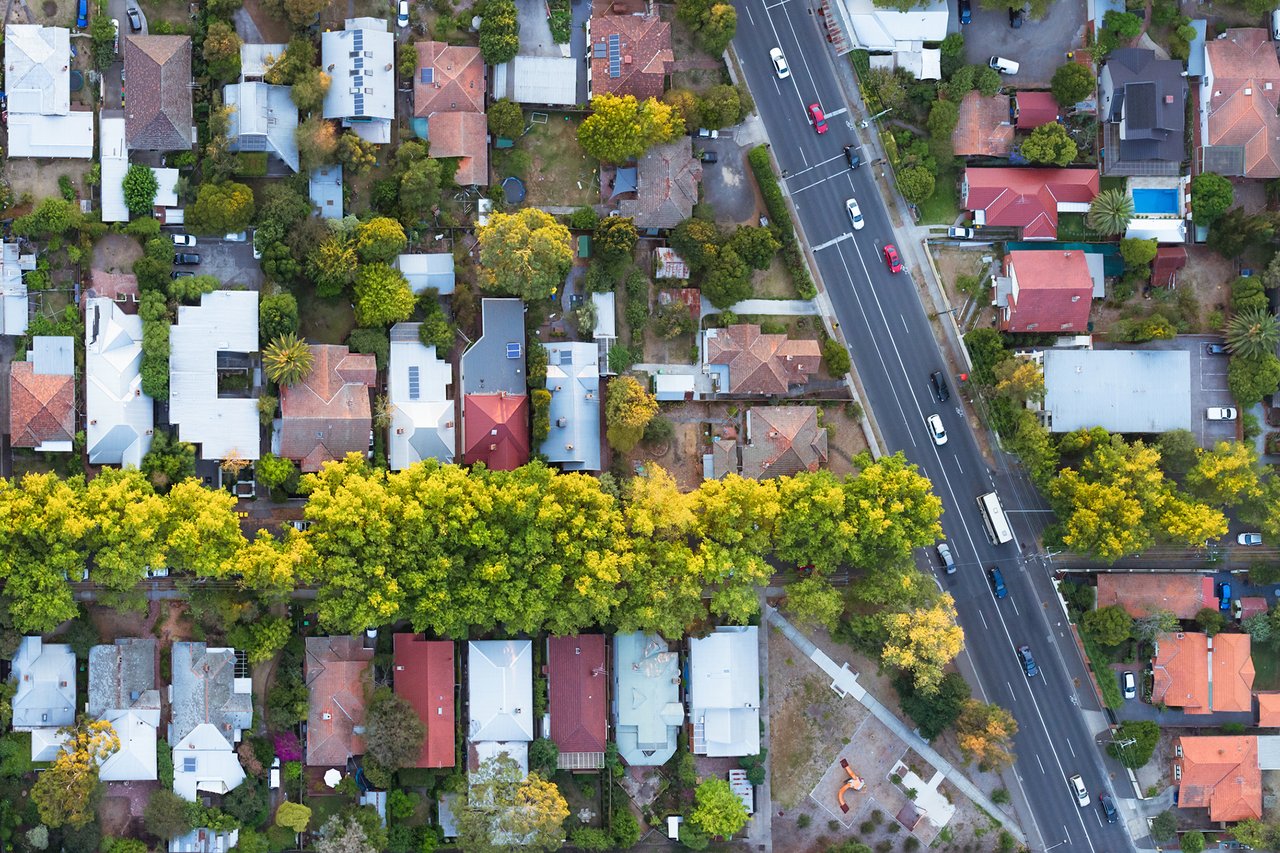
Look around the entire block.
Check:
- The homes next door
- Homes behind the property
- The next few houses
- Nearby vacant land
- Commercial properties
- Major roads
You are buying a property within a neighborhood—not an isolated building.
13. Visit at Different Times
One of the simplest ways to understand the surroundings is to visit more than once.
Try:
Morning:
Check traffic and school activity.
Afternoon:
Observe general neighborhood activity.
Evening:
Look at parking, lighting, and noise.
Weekend:
See how the street functions when residents are home.
Each visit can reveal something different.
14. Talk to Nearby Residents
Neighbors can sometimes provide useful information about the street.
You can ask simple questions such as:
- “How do you like living here?”
- “Is the street usually quiet?”
- “How is parking?”
- “Have there been many changes recently?”
- “Is anything new being developed nearby?”
Don't treat casual conversations as official facts.
Instead, use them to identify questions you should research further.
15. Research What Could Change
Before buying, investigate potential changes around the property.
Look for:
- Rezoning requests
- New construction
- Road improvements
- New residential developments
- Commercial projects
- Parks
- Infrastructure projects
Understanding what could happen nearby can help you avoid unpleasant surprises.
The “Across the Street” Test
Before making an offer, stand outside the property and ask:
☐ What do I see directly across the street?
☐ Are nearby homes well maintained?
☐ Is there street parking?
☐ Is there excessive traffic?
☐ Is the area noisy?
☐ How private does the property feel?
☐ Are there vacant lots nearby?
☐ Could nearby properties be redeveloped?
☐ Are there planned projects in the area?
☐ Would I be comfortable showing this location to a future buyer?
These questions take only a few minutes but can reveal important information.
The Bigger Picture
A home's future value isn't determined by one house across the street.
But surrounding properties can influence the way buyers experience and evaluate a neighborhood.
That's why smart buyers look beyond the walls of the home they're considering.
They look at the entire block.
They consider what is there today.
And they ask what could be there tomorrow.
Final Thoughts
When buying a home, it's easy to fall in love with the interior.
But before making an offer, step outside.
Look across the street.
Look next door.
Look behind the property.
Then ask:
“What will a future buyer see when they arrive here?”
The house across the street may not be yours, but its condition, use, location, and potential changes can be part of the bigger real estate picture.
You're not just buying four walls and a roof. You're buying a location—and everything around it matters.
--
Tina Jingru Sui 隋静儒
Associate Broker | Team Leader of TJS Team, Keller Williams
Serving Metro Atlanta — Johns Creek, Alpharetta, Duluth, Suwanee, Buford, and beyond
404-375-2120
WeChat: tinasuirealty
Follow me on Instagram / 小红书 / WeChat / Facebook