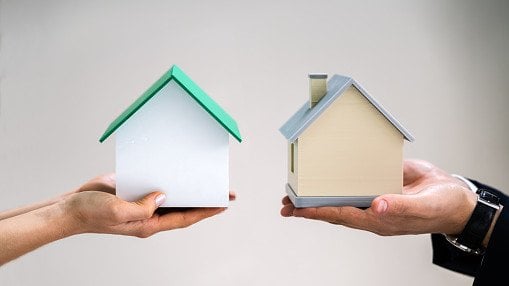
Why Two Similar Homes Can Sell for Completely Different Prices
SEO Title: Why Two Similar Homes Can Sell for Completely Different Prices
SEO Subtitle: Learn why location, condition, layout, timing, and buyer demand can cause similar homes in the Atlanta market to sell for very different prices
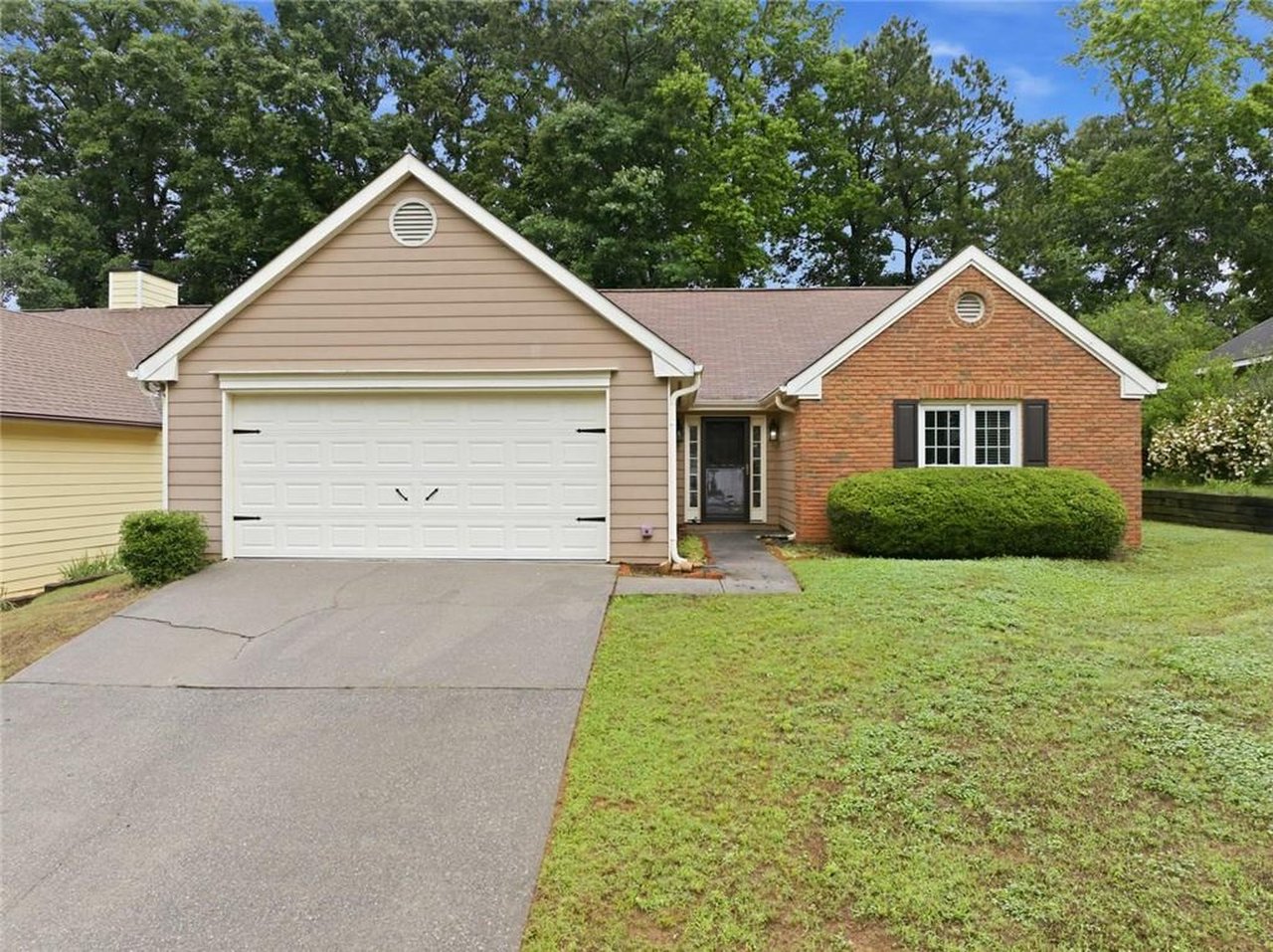
At first glance, two homes can look almost identical.
They may have:
- Similar square footage
- The same number of bedrooms
- Similar bathrooms
- Comparable lot sizes
- Similar construction dates
Yet one home may sell for significantly more than the other.
Why?
Because real estate value is about much more than the basic numbers.
Small differences in location, condition, features, timing, and buyer demand can have a major impact on the final sale price.
1. Location Within the Neighborhood Matters
Two homes may have the same ZIP code but very different locations.
One might be:
- On a quiet street
- Near a park
- Away from traffic
- Closer to shopping
- Convenient to major roads
The other might be next to a busy intersection or face a noisy road.
Even a difference of a few blocks can influence buyer interest.
This is one reason real estate professionals often look closely at micro-location, not just the city or ZIP code.
2. The Lot Can Make a Difference
Two homes can have similar buildings but very different lots.
Consider:
- Lot size
- Lot shape
- Privacy
- Slope
- Backyard usability
- Trees
- Views
- Drainage
A larger or more usable lot may attract buyers who are willing to pay more.
But a large lot isn't automatically better if it creates significant maintenance or drainage concerns.
3. Condition Changes Perceived Value
Imagine two homes that are the same size.
Home A has:
- Fresh paint
- Updated flooring
- A well-maintained kitchen
- Clean landscaping
- Modern lighting
Home B needs several updates.
Even if the floor plans are nearly identical, buyers may see Home A as requiring less work.
That can affect both offers and negotiation.
4. Renovations Don't All Have the Same Impact
One homeowner may have invested heavily in the property.
The other may have made only basic improvements.
Differences might include:
- Kitchen renovations
- Bathroom updates
- Flooring
- Windows
- Lighting
- Outdoor improvements
- Energy-efficient upgrades
However, renovation cost and added market value aren't always the same.
A $50,000 renovation does not automatically add $50,000 to the home's value.
5. The Floor Plan Can Be More Important Than Square Footage
Two homes can have the same square footage but feel completely different.
One might have:
- Better bedroom placement
- More usable living space
- Better storage
- A practical kitchen layout
- Less wasted hallway space
The other may have rooms that are difficult to furnish.
Buyers don't live inside a spreadsheet.
They live inside the layout.
6. Natural Light Can Affect Buyer Perception
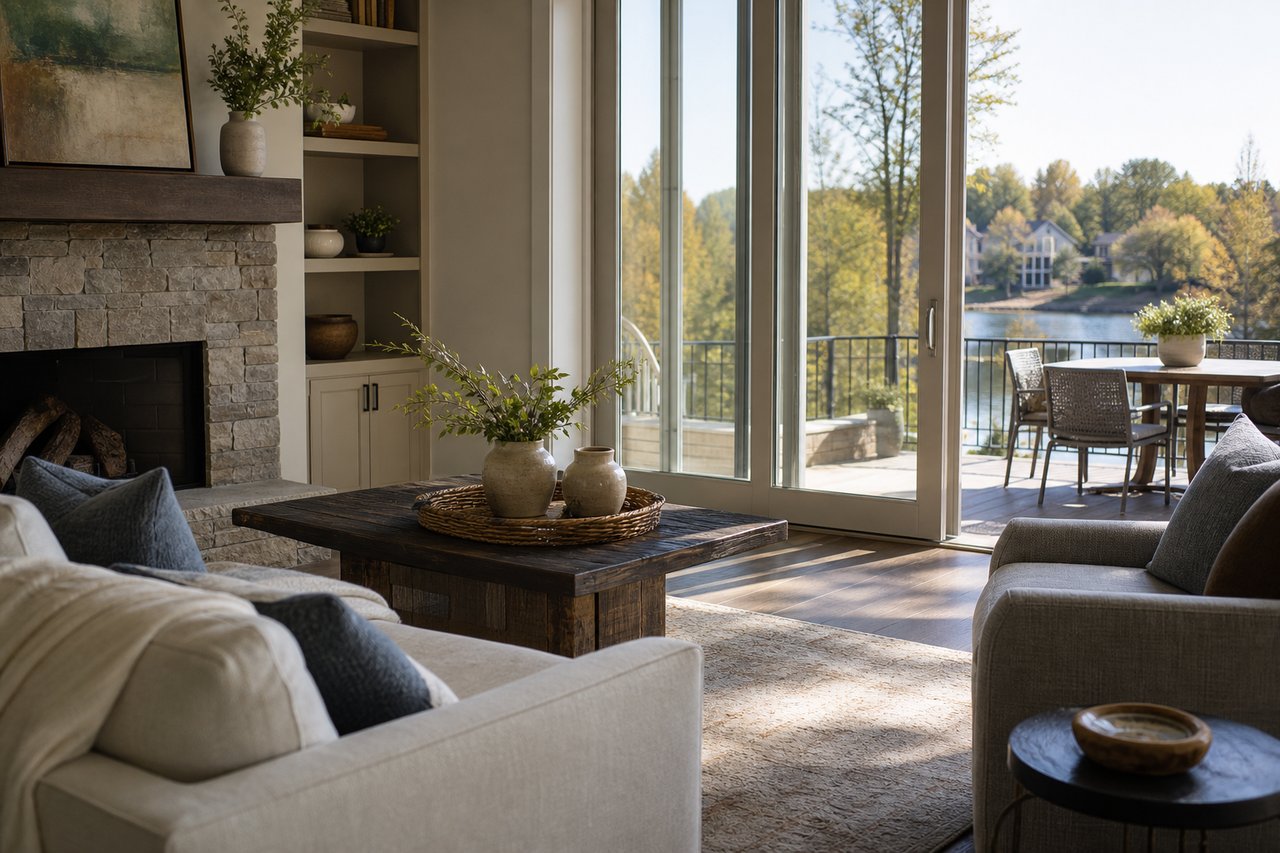
A home with large windows and good natural light can feel more open and comfortable.
Buyers may notice:
- Window placement
- Home orientation
- Views
- Room brightness
- Privacy
These details can be difficult to capture in listing data but can strongly influence how a buyer feels during a showing.
7. Outdoor Space Can Create a Premium
Outdoor living has become increasingly important to many buyers.
Two similar homes may have very different:
- Patios
- Decks
- Backyards
- Pools
- Landscaping
- Privacy
A functional backyard can become a major selling point.
But buyers should also consider the cost of maintaining those features.
8. Parking and Garage Space Matter
A two-car garage isn't necessarily equivalent to another two-car garage.
One may offer:
- Easy access
- Extra storage
- Wide driveway
- Convenient street parking
The other may have a narrow driveway or difficult access.
Parking can influence both daily convenience and buyer appeal.
9. HOA Costs and Rules Can Affect Value
Two similar homes may have different ownership costs.
One could have:
- Lower HOA fees
- More amenities
- Fewer restrictions
Another could have higher fees or stricter rules.
Buyers should compare the total ownership cost, not just the purchase price.
Always review the actual HOA documents before making assumptions.
10. Property Taxes Can Change the Calculation
Property taxes are another factor buyers should consider.
Two homes with similar prices may have different tax situations depending on location, assessments, exemptions, and other factors.
A buyer comparing properties should look at the full financial picture.
11. Timing Can Change the Sale Price
The same home could potentially sell for different prices at different times.
Market conditions can change because of:
- Interest rates
- Inventory
- Buyer demand
- Seasonality
- Local economic conditions
A home listed when there are very few competing properties may receive more attention than a similar home listed when buyers have many choices.
12. Marketing Can Influence Competition
How a home is presented can affect how many buyers become interested.
Important factors can include:
- Listing photography
- Description
- Online presentation
- Staging
- Pricing strategy
- Showing availability
Marketing doesn't magically create value.
But strong presentation can help more buyers recognize the value that already exists.
13. Pricing Strategy Matters
A seller who prices strategically may attract multiple interested buyers.
Another seller may price too high and receive little activity.
The final sale price can be influenced by how buyers respond to the initial listing price and competition.
This is why pricing should be based on current market evidence rather than simply adding up renovation costs.
14. Buyer Demand Isn't Always the Same
Different buyers value different features.
One buyer may prioritize:
- A large backyard
Another may care more about:
- A home office
Another may prioritize:
- School location
Another may want:
- A move-in-ready property
A home can command a different price depending on which buyers are competing for it.
15. Small Differences Can Add Up
Sometimes the price difference isn't caused by one major feature.
Instead, it may come from several small advantages.
For example:
Home A:
- Better street
- Newer roof
- Better backyard
- Updated kitchen
- Lower HOA
Home B:
- Similar size
- Similar bedrooms
- Similar location
Each individual difference may seem small.
Together, they can create a meaningful difference in buyer perception and market value.
16. Comparable Sales Need to Be Truly Comparable
This is why choosing comparable properties isn't as simple as finding three homes with similar square footage.
A good comparison should consider:
- Location
- Lot
- Condition
- Age
- Layout
- Features
- Improvements
- Sale date
- Market conditions
Two homes that look similar on a listing website may not actually be comparable enough for an accurate valuation.
The “Why Is This Home More Expensive?” Test
When comparing two similar properties, ask:
☐ Is one on a better street?
☐ Does one have a better lot?
☐ Is one more updated?
☐ Is one better maintained?
☐ Does one have a more functional layout?
☐ Does one have better natural light?
☐ Is the backyard more usable?
☐ Is parking better?
☐ Are HOA costs different?
☐ Are property taxes different?
☐ Is one closer to desirable amenities?
☐ Was one listed during a stronger market period?
☐ Is one marketed more effectively?
These questions can help explain why two seemingly similar homes have different prices.
Don't Judge a Home by Square Footage Alone
One of the biggest mistakes buyers can make is assuming:
“This home is $20,000 more, so I'm just paying more for the same house.”
There may be important differences that aren't immediately obvious.
Look beyond:
Price + Bedrooms + Bathrooms + Square Footage
and consider:
Location + Condition + Lot + Layout + Ownership Cost + Buyer Demand
That gives you a much clearer picture.
Final Thoughts
Real estate isn't a perfect comparison game.
Two homes can look nearly identical on paper and still sell for very different prices.
The difference may come from a better lot, quieter street, updated systems, more functional layout, lower ownership costs, stronger buyer demand, or simply better timing.
That's why buyers should avoid asking only:
“How much is this house per square foot?”
Instead, ask:
“What makes this particular home more or less valuable than the alternatives?”
Once you learn to look beyond the basic numbers, you'll have a much better understanding of what you're actually paying for.
In real estate, similar doesn't always mean equal.
--
Tina Jingru Sui 隋静儒
Associate Broker | Team Leader of TJS Team, Keller Williams
Serving Metro Atlanta — Johns Creek, Alpharetta, Duluth, Suwanee, Buford, and beyond
404-375-2120
WeChat: tinasuirealty
Follow me on Instagram / 小红书 / WeChat / Facebook