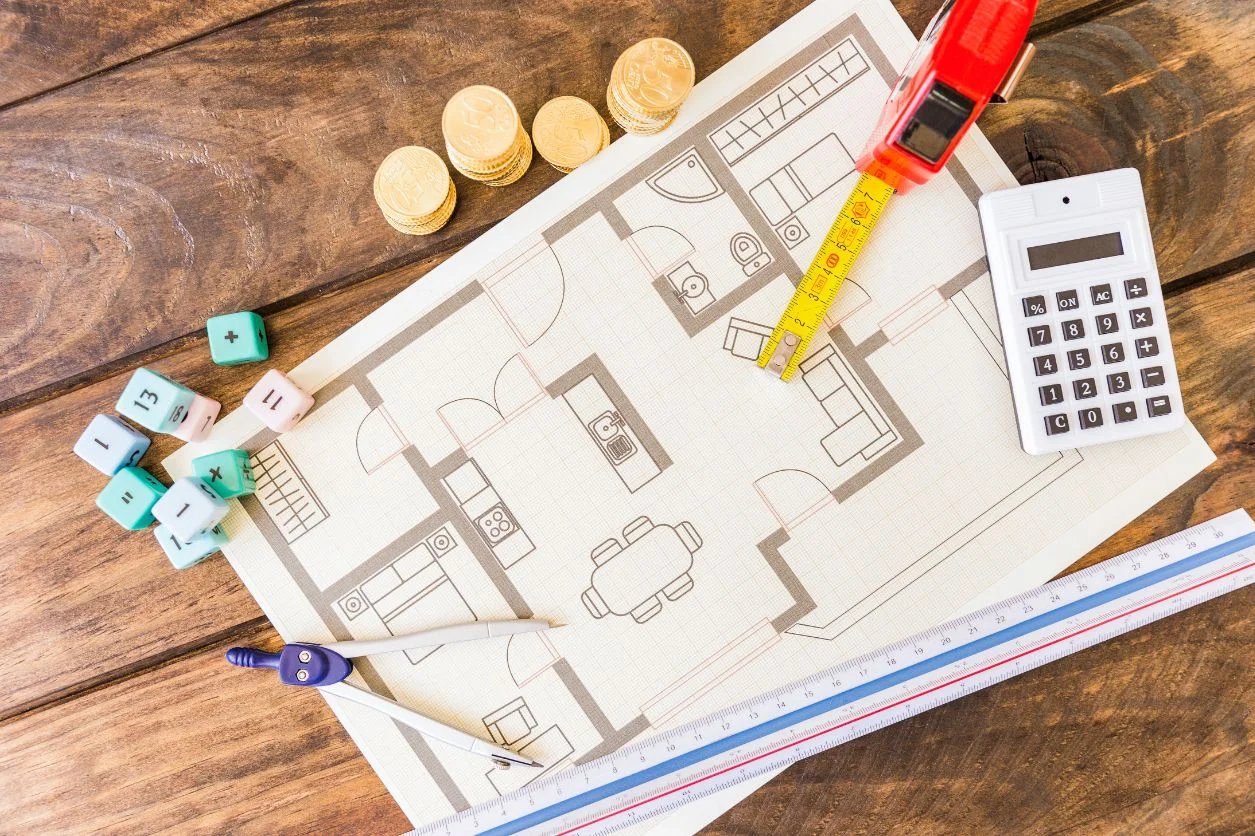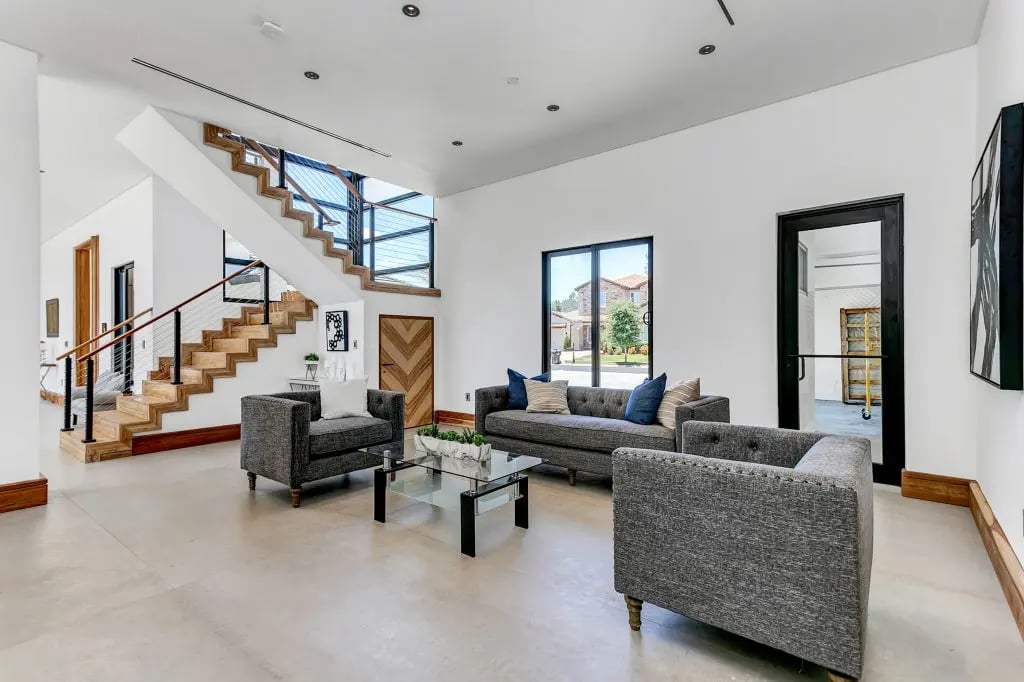
Good staging can help buyers understand a home—but it can also become part of the emotion of the showing. Before making an offer, mentally remove the furniture, rugs, artwork, lamps, bedding, accessories, and decorative styling and evaluate what remains: the floor plan, room dimensions, natural light, storage, condition, lot, parking, location, and actual daily function.
Would You Still Buy This Home Without the Staging?
A simple mental exercise that can help buyers separate a beautifully presented house from a home that actually works for them.
You walk into a home and immediately love it.
The sofa fits perfectly.
The dining table makes the room feel spacious.
The bedding makes the primary bedroom feel luxurious.
Artwork draws your eye exactly where it is supposed to go.
Even the coffee table seems to be the perfect size.
That is not an accident.
Good staging is supposed to help a buyer understand how a space can function.
But once you begin seriously considering the property, there is another question worth asking:
Would I Still Want This House
If It Were Completely Empty?
1. Staging Can Change Your Perception of Space
Furniture gives a room scale.
That is one of staging's biggest benefits.
But the size and placement of the furniture can also influence how large or functional a room feels.
A smaller sofa may make a living room appear more generous.
A narrow dining table may make a dining area appear easier to use.
A carefully selected bed may leave more walking space around the room.
Don't ask only, “Does this furniture fit?”
Ask: “Will my furniture fit?”
2. Mentally Remove Every Item That Is Not Actually Part of the House
During a showing, try mentally deleting:
- Sofas.
- Dining tables.
- Beds.
- Rugs.
- Artwork.
- Lamps.
- Decorative mirrors.
- Plants.
- Throw pillows.
- Accessories.
Then look at the room again.
What remains?
Walls.
Windows.
Doors.
Flooring.
Ceiling height.
Room dimensions.
Storage.
Light.
Traffic flow.
That is the space you are actually buying.
3. Test Your Own Furniture, Not the Stager's Furniture
If you already own large furniture that you intend to keep, this becomes especially important.
Ask:
- Will my sectional fit?
- Can I use my existing dining table?
- Will a king-size bed leave enough clearance?
- Where will the television go?
- Where does my desk fit?
- Can doors still open normally?
If a particular measurement matters to your decision, verify it instead of relying on visual impressions.
4. Look at the Floor Plan, Not the Mood
Staging helps create a mood.
But mood and floor-plan function are different.
A home may feel elegant but still have:
- An awkward furniture wall.
- A dining room that is difficult to furnish.
- A bedroom with very limited wall space.
- Poor traffic flow.
- Too many door openings.
- A layout that requires frequent stair use.
Staging Shows You
One Version of the Room.
Your Job Is to Decide
How Many Versions Actually Work.
5. Open the Closets
Staging naturally emphasizes what buyers see.
But daily life depends heavily on what gets stored out of sight.
Check:
- Primary closet.
- Secondary bedroom closets.
- Pantry.
- Linen storage.
- Entry storage.
- Laundry storage.
- Garage storage.
A beautifully staged room can look minimalist partly because most ordinary household items are not present.
Ask where your real life goes—not where the decorative vase goes.
6. Pay Attention to Natural Light Without the Decorative Lighting
Lamps, accent lighting, bright paint, mirrors, and window treatments can make a room feel brighter.
During the showing, look specifically at:
- Window size.
- Window placement.
- What is outside the windows.
- Nearby buildings or trees blocking light.
- Which rooms receive natural light.
If natural light is particularly important to you, consider the time of day when you are viewing the property.
7. Look Behind the Presentation at the Actual Condition
Once your eyes stop following the furniture and decor, slow down and look at the house itself.
Notice visible condition of:
- Walls.
- Ceilings.
- Floors.
- Windows.
- Doors.
- Cabinetry.
- Trim.
- Basement areas.
- Accessible exterior areas.
A showing is not a substitute for a professional home inspection.
But slowing down can help you identify questions worth investigating later.
8. Don't Let the New Kitchen Distract You From the Major Systems
Buyers naturally pay attention to visible renovations.
But expensive ownership items may have nothing to do with the staging.
Understand what you can about:
- Roof.
- HVAC.
- Water heater.
- Plumbing.
- Electrical.
- Windows.
- Drainage.
The furniture may be temporary.
The roof, HVAC, plumbing, layout, lot, and location come with the house.
9. Go Outside
Good staging can keep your attention inside.
But do not forget the parts of the purchase that furniture cannot influence.
Look at:
- Lot.
- Yard usability.
- Slope.
- Privacy.
- Neighbor distance.
- Road exposure.
- Parking.
- Driveway.
- Views from major windows.
These are often some of the hardest characteristics to change after you buy.
10. Do the “Normal Tuesday Test”
Staging often helps you imagine the best version of life in the house.
Try imagining an ordinary weekday instead.
You arrive home with groceries.
Where do you enter?
Where do shoes and bags go?
Where do you work?
Where do you do laundry?
Where do everyday household items get stored?
How many times do you go up and down stairs?
Don't Just Imagine
Entertaining in the House.
Imagine
Living in It on a Normal Tuesday.
11. Ask What Actually Stays With the Property
Buyers sometimes become emotionally attached to individual items they see during a showing.
But not everything visible in a house is necessarily included in the real estate transaction.
Depending on the specific property and agreement, questions may arise about:
- Furniture.
- Artwork.
- Decorative mirrors.
- Televisions.
- Appliances.
- Certain decorative or attached items.
If an item matters to you, clarify whether it is included rather than assuming.
12. Compare the Unstaged Real Estate With the Comparable Sales
Once you strip away the presentation emotionally, compare the actual property with relevant recent sales.
Focus on characteristics such as:
- Location.
- Property type.
- Square footage.
- Bedrooms and bathrooms.
- Lot.
- Age.
- Condition.
- Parking.
- Basement or other functional space.
- Permanent location characteristics.
Staging can influence the presentation of a sale.
It should not replace a reasonable analysis of the underlying real estate.
The Staging Removal Test
What You See | Remove It Mentally | Evaluate Instead |
|---|---|---|
Beautiful Sofa | Remove sofa | Room dimensions and usable wall space |
Designer Bed | Remove bed | Bedroom dimensions and furniture clearance |
Large Mirror | Remove mirror | Actual natural light |
Minimalist Decor | Add your normal possessions mentally | Storage capacity |
Beautiful Patio Setup | Remove outdoor furniture | Lot, privacy, slope, usable outdoor area |
Decorative Lighting | Ignore the fixture design | Natural light, electrical placement, room function |
If You Love the Staged Home, Make the Second Showing Different
If possible, do not use a second showing simply to admire the house again.
Use it to verify:
- Room dimensions.
- Furniture placement.
- Storage.
- Natural light.
- Noise.
- Parking.
- Yard.
- Visible condition.
- Major-system questions.
First showing: notice the attraction.
Second showing: test whether the attraction survives closer inspection.
15 Questions to Ask in a Beautifully Staged Home
☐ 1. Would I still like this room empty?
☐ 2. Will my actual furniture fit?
☐ 3. Is there enough usable wall space?
☐ 4. Is the room truly large or simply well staged?
☐ 5. Where will my normal household items go?
☐ 6. Is the storage sufficient?
☐ 7. How much natural light is there?
☐ 8. Does the floor plan work for an ordinary weekday?
☐ 9. What condition issues did I ignore on the first walk-through?
☐ 10. What are the major-system ages and known updates?
☐ 11. What does the yard actually look like without outdoor staging?
☐ 12. Is parking practical?
☐ 13. Which visible items actually remain with the home?
☐ 14. How does the property compare with recent relevant sales?
☐ 15. Am I buying the house—or the feeling the staging created?
Frequently Asked Questions
Is staging bad for buyers?
No. Good staging can help buyers understand the potential use and scale of a room. The goal is simply to recognize that staging influences presentation and should not replace evaluation of the actual property.
Can staging make a small room look bigger?
Furniture scale, placement, mirrors, lighting, color, and photography can influence how large a room appears. If room size matters, verify dimensions and consider how your own furniture would fit.
Is staged furniture normally included with the house?
Not necessarily. Staging furniture and decor are often personal property and may belong to a staging company or seller. If a particular item matters to you, clarify whether it is included in the transaction.
Should I tour a staged home twice?
If the market and timing allow, a second showing can be useful for a home you are seriously considering. The second visit should focus more on function, condition, storage, measurements, surroundings, and questions rather than simply repeating the first tour.
Does a beautifully staged home mean it is overpriced?
No. Staging alone does not determine whether a home is appropriately priced. Evaluate the property against relevant comparable sales, condition, location, lot, layout, current competition, and other market evidence.
Should buyers ignore cosmetic appearance completely?
No. Design and appearance can be part of your enjoyment of a home. The key is distinguishing personal appeal from underlying property characteristics and market value.
Can staging hide defects?
A showing cannot establish whether defects exist or do not exist. Buyers should visually observe accessible areas and use appropriate due-diligence inspections and specialist evaluations where necessary rather than relying on presentation alone.
How can an agent help when I love a staged home?
An agent can help separate the presentation from the property by reviewing relevant comparable sales, room function, location, lot, parking, known property information, current competition, and offer strategy. Professional inspections and other specialists should be used for condition questions outside the agent's scope.
Before You Buy the Feeling,
Remove the Staging.
Then Decide Whether
You Still Love the House.
Final Thoughts: The House Should Work Even When the Furniture Leaves
Good staging can make a home easier to understand.
It can help define rooms.
It can create warmth.
It can make a listing photograph beautifully.
But eventually, the staging leaves.
What you continue to own is:
The floor plan.
The room dimensions.
The windows.
The storage.
The lot.
The location.
The parking.
The systems.
The condition.
And the daily functionality.
A staged home can make you fall in love faster.
Before making an offer, make sure the actual house gives you enough reasons to stay in love after all the furniture is gone.
Fell in Love With a Beautifully Staged Atlanta Home?
Before you decide what to offer, we can look beyond the presentation and compare the actual property: layout, room dimensions, storage, natural light, lot, parking, major systems, location, recent comparable sales, and current competing homes. The goal is not to remove the emotion from buying a home—it is to make sure the property still makes sense after the staging is removed.
Tina Jingru Sui | TJS Team
About Tina Jingru Sui
Tina Jingru Sui is the founder and leader of the TJS Team, serving buyers, sellers, investors, and relocation clients throughout Metro Atlanta.
Tina and her team serve communities including Atlanta, Johns Creek, Alpharetta, Suwanee, Duluth, Buford, Dacula, Marietta, Roswell, Sandy Springs, Smyrna, Lawrenceville, and surrounding Metro Atlanta areas.
Keller Williams Atlanta Partners · (404) 375-2120
This article is provided for general informational and educational purposes only and does not constitute legal, financial, lending, appraisal, inspection, construction, engineering, tax, investment, or other professional advice. Staging, furniture, artwork, rugs, lamps, decorative items, and other personal property displayed during a showing are not automatically included in a real estate transaction unless specifically addressed in the applicable agreement. Buyers should not rely on furniture placement, photography, staging, room appearance, or listing descriptions as substitutes for verifying room dimensions, property condition, square footage, property boundaries, systems, HOA matters, taxes, school assignment, or other information material to their decision. A showing or second showing does not substitute for professional home inspections or specialist evaluations. Visible property age, system age, cosmetic appearance, or renovation status alone does not establish condition, defect, remaining useful life, or replacement needs. Comparative market analyses prepared by real estate professionals are not appraisals and do not guarantee an appraised value, final sale price, appreciation, future demand, or resale performance. When school assignment is material, verify the exact property address through the appropriate official school district because boundaries can change. Buyers should review applicable contracts, disclosures, HOA documents, surveys, title information, inspection reports, tax information, public records, and other relevant materials and consult appropriate attorneys, inspectors, lenders, appraisers, engineers, contractors, insurance professionals, or other specialists when necessary. Community and location comparisons should rely on objective property and lifestyle criteria identified by the consumer and not on characteristics protected by Fair Housing law. Equal Housing Opportunity. Tina Jingru Sui, GA License #392936, REALTOR®, affiliated with Keller Williams Atlanta Partners and regulated by the Georgia Real Estate Commission.