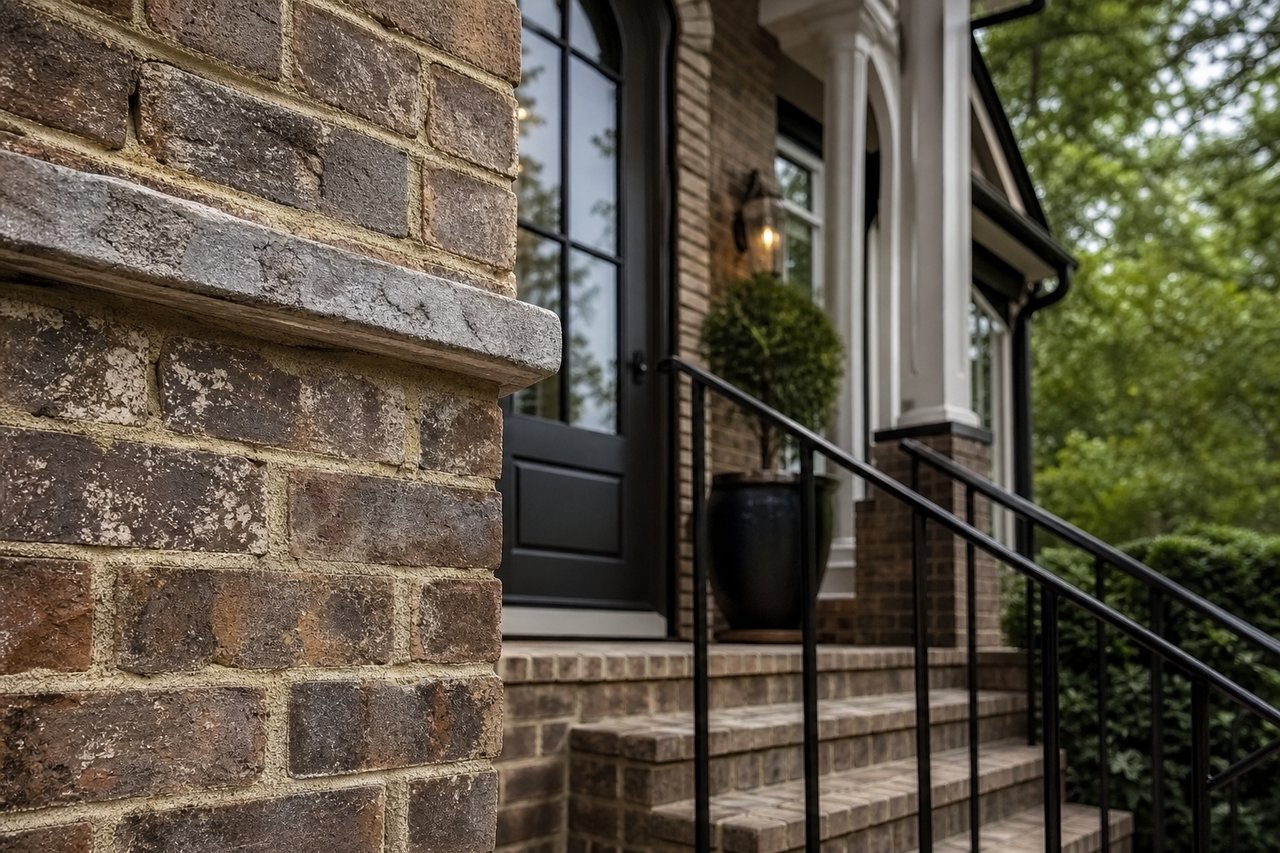
A home should work for your life today—but it is smart to think about who might want to buy it from you later. Location, floor-plan functionality, maintenance exposure, storage, lot usability, nearby amenities, future development, and how much you pay for highly personalized features can all affect future resale appeal. No feature guarantees appreciation, but choosing a home with broader functionality can give you more flexibility when it is eventually time to sell.
Your Future Self Is a Buyer Too: Choosing a Home With Resale in Mind
Learn how to choose a home that fits your lifestyle today while also protecting its potential resale appeal in the future.
When buying a home, it is natural to focus on what you want right now.
Maybe you love the kitchen.
Maybe the backyard is exactly what you have been looking for.
Maybe the commute works perfectly.
But there is another buyer worth thinking about:
Your future self.
Even if you plan to stay for many years, circumstances can change.
You may relocate for work, need a different amount of space, change your commute, or simply decide that another type of home fits your life better.
You should not buy a home you dislike just because you think it will be easy to resell.
The better goal is: Comfort Today + Flexibility Tomorrow + Reasonable Resale Appeal
What Can Affect a Home's Future Resale Appeal?
Factor | What to Evaluate |
|---|---|
Location | Road access, commute options, amenities, external influences, and buyer convenience |
Floor Plan | Bedroom usefulness, bathroom placement, storage, flow, and flexible spaces |
Condition | Roof, HVAC, plumbing, electrical, windows, drainage, and maintenance history |
Lot & Outdoor Space | Usability, maintenance, slope, privacy factors, and access |
Ownership Cost | Taxes, insurance, HOA, utilities, and ongoing maintenance |
Future Development | New roads, commercial projects, residential supply, parks, and other planned changes |
1. Start With the Location
You can renovate a kitchen.
You can replace flooring.
You can even reconfigure parts of a floor plan.
But you cannot move the property to another location.
Consider objective factors such as:
- Commute routes and travel time.
- Access to major roads.
- Shopping and everyday services.
- Restaurants and entertainment.
- Parks and recreation.
- Transit options where applicable.
- Traffic patterns.
- External noise sources.
- Nearby development.
If public-school attendance is relevant to your purchase, verify the exact property address directly with the applicable school district.
Attendance boundaries can change, and third-party school websites may use different methodologies or outdated information.
You can improve many things about a house after you buy it.
Location is one of the things you cannot renovate.
2. Look for a Functional Floor Plan
A home can be beautiful and still have a layout that limits its usefulness.
Think about:
- Bedroom size and placement.
- Bathroom accessibility.
- Kitchen flow.
- Laundry location.
- Storage.
- Natural transitions between rooms.
- Flexible spaces that can serve more than one purpose.
Some buyers may value a main-level bedroom.
Others may place more value on an office, loft, bonus room, or finished basement.
The broader point is that a functional home gives future buyers more ways to use the space.
Square footage tells you how much space exists.
Floor-plan functionality tells you how useful that space actually is.
3. Evaluate the Surrounding Area, Not Just the House
It is easy to become so focused on the interior of a property that you forget to evaluate what surrounds it.
Look at:
- Nearby property condition.
- Road configuration.
- Traffic.
- Commercial uses nearby.
- Construction activity.
- External noise sources.
- Community amenities.
- Planned development.
You are not buying only the house.
You are also buying its location, surroundings, access, and future context.
4. Bigger Is Not Automatically Better
A larger home can provide valuable space, but it can also increase the cost of ownership.
Larger properties may involve higher:
- Purchase price.
- Utility costs.
- Maintenance costs.
- Insurance costs.
- Repair exposure.
Property taxes also depend on assessed value and local taxation rather than size alone.
Think about whether the home's size makes sense for:
- Your actual needs.
- The local price range.
- Comparable properties nearby.
- The amount of maintenance you want to manage.
5. Think About Future Maintenance
Future buyers will eventually evaluate the same major systems you are evaluating today.
Pay attention to:
- Roof.
- HVAC.
- Water heater.
- Plumbing.
- Electrical systems.
- Windows.
- Drainage.
- Exterior materials.
Age alone does not automatically mean a system is defective or needs immediate replacement.
But understanding age, condition, maintenance history, and likely future cost can help you avoid purchasing a home whose ownership expenses are materially higher than expected.
Don't ask only what the house costs to buy.
Ask what it may cost to own and maintain.
6. Be Thoughtful With Highly Personalized Improvements
Your home should absolutely reflect your preferences while you own it.
But when making expensive or difficult-to-reverse changes, it can be useful to think about how broadly functional the improvement will be later.
Examples might include:
- Very unusual room conversions.
- Highly specialized built-ins.
- Removing bedrooms for another purpose.
- Very distinctive finish selections.
- Expensive specialty spaces with limited alternative use.
This does not mean buyers should avoid personality.
It simply means that large, permanent changes may deserve more thought than paint colors or furniture.
The easier an expensive improvement is for another owner to understand and use, the broader its potential appeal may be.
7. Evaluate Outdoor Space for Usability, Not Just Size
A large lot is not always the same thing as a usable lot.
Consider:
- Slope.
- Drainage.
- Access.
- Existing patio or deck.
- Tree coverage.
- Maintenance requirements.
- How much of the yard is practically usable.
A smaller but functional outdoor area may be more useful to some buyers than a larger lot with difficult terrain.
8. Don't Underestimate Storage
Storage may not be the feature that makes a buyer fall in love with a home during the first five minutes.
But poor storage can become frustrating after move-in.
Evaluate:
- Bedroom closets.
- Kitchen storage.
- Pantry space.
- Laundry storage.
- Garage storage.
- Attic or basement storage where accessible and appropriate.
Practical storage can improve everyday functionality and may broaden the usefulness of the home for future owners.
9. Don't Overpay for Features the Market May Not Fully Recognize
A home can have expensive upgrades and still be overpriced.
Before paying a premium, ask:
“How much of this premium is supported by comparable sales—and how much is simply the seller's renovation cost?”
A seller may have spent substantial money on:
- Kitchen renovations.
- Custom cabinetry.
- Luxury finishes.
- Outdoor improvements.
- Specialty rooms.
Those improvements may absolutely add market value.
But renovation cost and resale value are not automatically equal.
Cost is what someone spent.
Value is what the market is willing to recognize.
10. Research Future Development Around the Property
What surrounds a home today may not be what surrounds it five or ten years from now.
Research:
- Proposed residential developments.
- Approved commercial projects.
- Road projects.
- Transportation plans.
- Parks and trails.
- Public infrastructure.
- Potential changes in housing supply.
It is also important to distinguish between:
Proposed → Approved → Funded → Under Construction → Completed
A proposed project is not the same as a project that is actually under construction.
Development can also create trade-offs.
New amenities or infrastructure may improve convenience, while additional development can also create more traffic, construction activity, or competing housing supply.
Future development is context—not a guarantee of future appreciation.
What Can Make a Home Easier to Resell?
No single feature guarantees future resale demand.
But buyers can consider whether the overall property offers a broadly useful combination of:
- Convenient location.
- Functional floor plan.
- Useful bedrooms and bathrooms.
- Reasonable condition.
- Manageable ownership costs.
- Practical outdoor space.
- Useful storage.
- Access to everyday amenities and transportation routes.
- A price supported by comparable properties.
Resale appeal is usually not one special feature.
It is the overall package.
A Simple Example: Which Home Has More Flexibility?
Feature | Home A | Home B |
|---|---|---|
Floor Plan | Flexible, conventional layout | Highly customized room arrangement |
Storage | Multiple practical storage areas | Limited closets |
Lot | Moderate size, usable terrain | Larger but steep and difficult to use |
Major Systems | Reasonably maintained | Several systems approaching potential replacement |
Home B may still be the right choice for a particular buyer.
But Home A may offer broader functionality and fewer obvious ownership objections.
That is the kind of comparison buyers should think through before paying a premium.
A Simple Resale-Appeal Checklist
☐ Does the location work well for everyday access and transportation?
☐ Is the floor plan functional?
☐ Are the bedrooms and bathrooms practically usable?
☐ Is there adequate storage?
☐ Are the major systems in reasonable condition?
☐ Is the outdoor space usable and manageable?
☐ Are the overall ownership costs comfortable?
☐ Does the price make sense compared with similar properties?
☐ Are there important planned developments nearby?
☐ Would another buyer be able to understand the home's value and functionality?
Buy for Today, But Think About Tomorrow
Resale should not control every buying decision.
Your home should first work for your own life.
If you love a particular architectural style, unusual floor plan, or unique lot, that can absolutely be a valid reason to buy.
The important part is understanding the trade-off.
Comfort Today + Flexibility Tomorrow + Reasonable Resale Appeal
Sometimes a home with very broad appeal is the right choice.
Sometimes a more unusual property is the right choice because it gives you something you value highly.
Neither is automatically wrong.
You simply want to understand what you are buying.
Frequently Asked Questions
Should I buy a home mainly based on resale value?
No. The home should first fit your needs, budget, and intended ownership period. Resale appeal is better used as an additional decision factor—especially when comparing two homes that otherwise work similarly for you.
Does a larger home always have better resale value?
No. Size is only one factor. Layout, condition, lot usability, location, ownership costs, price, and local comparable sales may matter just as much or more.
Should I avoid a unique home?
Not necessarily. A unique property can be a great fit for the right buyer. Just recognize that unusual features or highly specialized layouts may appeal to a narrower future buyer pool. That trade-off should be considered when deciding what price you are comfortable paying.
Do newer roof and HVAC systems guarantee better resale?
No. Newer systems may reduce certain maintenance concerns, but resale value depends on the entire property and market. Likewise, an older system is not automatically defective. Actual condition matters.
Will future neighborhood development increase my home's value?
It may affect demand or convenience, but appreciation cannot be guaranteed. Development can create benefits and trade-offs, and proposed projects may change, be delayed, or never be completed. Evaluate the property's value based on today's facts while treating future plans as additional context.
Don't buy a house only for the buyer you are today.
Think about whether the property gives your future self options.
Final Thoughts
Buying a home is both a lifestyle decision and a financial decision.
You should enjoy where you live.
But when two homes both meet your current needs, it can be useful to compare which one offers stronger long-term flexibility.
Think about:
Location + Floor Plan + Condition + Ownership Cost + Lot + Storage + Future Development + Purchase Price
No home is guaranteed to appreciate.
No feature guarantees an easy future sale.
But choosing a home with functional space, manageable ownership costs, sensible pricing, and characteristics that are useful beyond your own immediate needs can give you more options later.
Your future self is a buyer too.
Choose a home that makes sense for the life you live today—and still gives you flexibility when life eventually changes.
Comparing Homes in Metro Atlanta?
Before you write an offer, we can help you compare recent comparable sales, property condition, floor-plan functionality, lot characteristics, major systems, ownership costs, listing history, nearby competition, and other factors that may affect both today's value and future resale flexibility.
Tina Jingru Sui | TJS Team
Search Metro Atlanta Homes at TinaSui.com →
About Tina Jingru Sui
Tina Jingru Sui is the founder and leader of the TJS Team, serving buyers, sellers, investors, and relocation clients throughout Metro Atlanta.
Tina and her team serve communities including Johns Creek, Alpharetta, Suwanee, Duluth, Buford, Dacula, Marietta, Roswell, Sandy Springs, Smyrna, Lawrenceville, and surrounding Metro Atlanta areas.
Keller Williams Atlanta Partners · (404) 375-2120
This article is provided for general informational and educational purposes only and does not constitute legal, tax, appraisal, mortgage, investment, financial, inspection, engineering, or other professional advice. Property values, resale demand, future appreciation, ownership costs, insurance, taxes, maintenance, development plans, school attendance assignments, and market conditions can change. No property feature, neighborhood characteristic, renovation, infrastructure project, school assignment, or development plan guarantees future appreciation, buyer demand, or resale results. Proposed developments may be changed, delayed, or canceled. Public-school attendance assignments should be verified by exact property address with the applicable school district. Buyers should independently investigate property condition, title, HOA documents, zoning, development plans, insurance, financing, inspections, and other material considerations and consult appropriate qualified professionals when needed. Equal Housing Opportunity. Tina Jingru Sui, GA License #392936, REALTOR®, affiliated with Keller Williams Atlanta Partners and regulated by the Georgia Real Estate Commission.