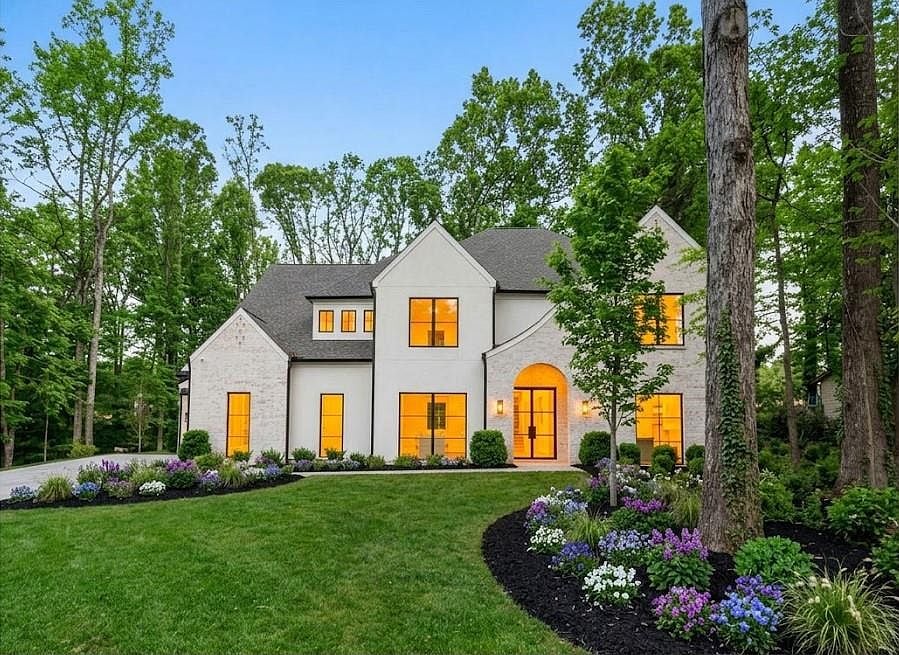
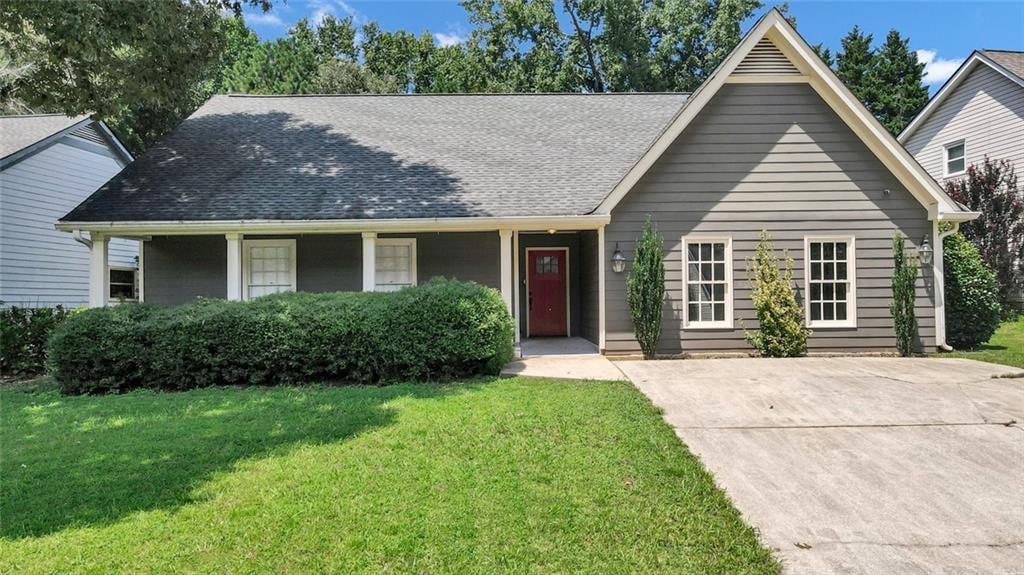
A beautifully staged home can receive compliments, saves, showing requests, and positive feedback—and still fail to receive an offer. That is because looking attractive and being easy to buy are not the same thing. Presentation can make a Buyer say, “This house is beautiful.” But an offer usually requires something more: the Buyer must also believe the price makes sense, the condition feels manageable, the unknowns feel limited, and the property is stronger than the alternatives available at the same budget.
The Difference Between a Home That Looks Good and a Home That Sells Well
A home does not need to be perfect. It needs to give Buyers enough reasons to move from admiration to commitment.
A Home Can Be
Show-Ready
Without Being
Offer-Ready.
Looking Good Earns
Attention.
Selling Well Requires
Commitment.
The Question Sellers Should Ask After the Home Looks Great
Imagine your home is:
- Professionally photographed.
- Clean.
- Decluttered.
- Freshly painted.
- Nicely staged.
- Bright and inviting.
Buyers tour the home and say:
“It shows really well.”
That sounds encouraging.
But there is one more question:
“After the Buyer says, ‘This house looks great,’ what could still stop them from writing an offer?”
That is the difference between:
showing preparation
and:
offer preparation.
Use the Show-Ready vs. Offer-Ready Test
Offer Readiness
=
Visual Appeal
+
Value Clarity
+
Condition Confidence
+
Ownership Confidence
+
Decision Ease
−
Buyer Uncertainty
−
Immediate Burden
1. Show-Ready Gets the Buyer Through the Door
Presentation matters.
A Buyer usually sees the property online before seeing it in person.
Strong preparation can improve:
- Photography.
- Room scale.
- Light.
- Traffic through the listing.
- Buyer attention.
- First impressions.
That is important.
But presentation mainly solves this question:
“Is this home worth seeing?”
An offer requires the Buyer to answer a different question:
“Is this home worth buying at this price?”
Photos Help Answer:
“Should I See It?”
The Property and Price Together Must Answer:
“Should I Buy It?”
2. Offer-Ready Means the Price Is Easy to Defend
A house can look beautiful and still feel expensive.
Suppose a Buyer sees:
your home at:
$725,000
and two nearby alternatives at:
$699,000 and $710,000.
The Buyer will naturally ask:
“What am I getting for the extra money?”
Maybe your home has:
- A better lot.
- A more functional main-level bedroom.
- A finished basement.
- Newer major systems.
- Better condition.
- A stronger micro-location.
If so, those differences help defend the premium.
If the Buyer cannot identify the difference:
beautiful presentation alone may not close the value gap.
A premium price needs a premium reason.
3. Cosmetic Beauty Does Not Automatically Create Condition Confidence
Imagine a beautifully staged home.
Fresh paint.
Beautiful furniture.
Perfect kitchen counters.
But Buyer notices:
- Water staining.
- An aging HVAC.
- Visible wood deterioration.
- A roof near the later part of its life cycle.
- Several small maintenance issues.
Now the Buyer may think:
“It looks great—but what am I about to inherit?”
That question can be more powerful than the staging.
Staging Can Improve
Perception.
Maintenance History and Property Condition Improve
Confidence.
4. Buyers Often Discount the Unknown More Than Sellers Expect
Imagine a Buyer asks:
“How old is the roof?”
Response:
“Not sure.”
“How old are the HVAC systems?”
Response:
“We don't know.”
“What caused this ceiling stain?”
Response:
“Probably nothing.”
The Buyer may not know whether the future cost is:
$500,
$5,000,
or $20,000.
When Buyers cannot quantify the risk, they may:
- Lower the offer.
- Request additional inspections.
- Choose another property.
- Build a larger financial cushion into their decision.
Buyers do not always discount the repair. Sometimes they discount the uncertainty around the repair.
5. A Home That Sells Well Makes Its Competitive Advantage Obvious
Many listings say:
“Beautiful home.”
“Great location.”
“Spacious floor plan.”
“Must see.”
Those statements do not explain:
why Buyer should choose this property instead of the next five listings.
A stronger positioning strategy identifies:
- What is rare.
- What is expensive to reproduce.
- What improves daily function.
- What competing listings do not have.
- What makes the property easier to own.
For example:
not just:
“Finished basement.”
but:
“A finished lower level with a true bedroom, full bath, exterior access, and usable living space.”
Function is easier to value than adjectives.
Don't Just Tell Buyers
“This Home Is Special.”
Make It Easy for Them to Understand
Why.
6. “Move-In Ready” Is Really About Immediate Burden
Move-in ready does not have to mean:
completely renovated.
For many Buyers, it means:
“I can purchase this property without immediately inheriting a long list of projects.”
A house with an older kitchen may still feel easy to own if:
- It is clean.
- It functions well.
- Major systems are understood.
- Maintenance has been handled.
- The Buyer does not feel forced into immediate work.
A recently updated property can still feel burdensome if:
- There are unresolved leaks.
- The exterior needs work.
- Major systems are uncertain.
- There are multiple unfinished projects.
Buyers often pay for reduced immediate burden—not simply newer finishes.
7. A Seller Can Spend More Money and Still Not Become More Offer-Ready
Suppose Seller spends:
$25,000 remodeling a bathroom.
But does not address:
- A roof concern.
- An active plumbing issue.
- Exterior wood deterioration.
- A pricing problem.
The house may photograph better.
But Buyer confidence may barely improve.
That is why preparation should not begin with:
“What can we make prettier?”
Start with:
“What could stop a serious Buyer from committing?”
Seller Preparation
Should Not Be
a Beauty Contest.
It Should Be
a Buyer Decision Strategy.
8. Separate Cosmetic Improvement From Buyer-Decision Improvement
Seller Project | What It Primarily Improves | Buyer Question It May Help Answer |
|---|---|---|
Decluttering | Visual clarity | Can I understand and imagine the space? |
Fresh Paint | Presentation / perceived maintenance | Does this feel ready for occupancy? |
Fixing an Active Leak | Condition confidence | Am I inheriting an unresolved problem? |
Professional Photography | Attention | Should I schedule a showing? |
System Documentation | Information confidence | What am I actually inheriting? |
Correct Pricing | Value confidence | Does this purchase make sense compared with alternatives? |
9. Positive Showing Feedback Can Be Misleading
Seller hears:
“They loved the house.”
But no Offer comes.
Why?
Because Buyers can sincerely love:
the kitchen,
the backyard,
the staging,
or the layout
while still deciding:
“Not at this price.”
Or:
“Not with those future expenses.”
Or:
“The other house works better.”
“They liked it” is a compliment. “They wrote an offer” is a market decision.
10. Ask Better Showing-Feedback Questions
Instead of asking only:
“Did they like it?”
ask questions such as:
- How did they feel about the price relative to what else they have seen?
- What property are they comparing ours with?
- What would prevent them from writing an offer?
- Did any condition issue create concern?
- Was there a feature they expected at this price but did not find?
- Is there anything they would need to change immediately?
That feedback is much more useful than:
“Beautiful home, thanks for letting us show.”
11. Offer-Ready Means Winning the Comparison
Buyers rarely evaluate your house by itself.
They compare:
your home versus their alternatives.
Suppose two homes cost:
$700,000.
Home A:
- Better staging.
- Beautiful furniture.
- Professional landscaping.
- Older roof and HVAC.
Home B:
- Simpler presentation.
- Newer roof.
- Newer HVAC.
- More functional layout.
- Lower HOA.
Which one wins?
There is no universal answer.
But Seller should understand:
the Buyer is comparing the complete ownership package—not the photography contest.
12. Pricing Can Neutralize Great Preparation
Suppose:
your home is prepared extremely well,
but the strongest relevant market evidence suggests:
$680,000–$700,000.
Seller lists at:
$750,000.
Presentation may still generate:
- Clicks.
- Showings.
- Compliments.
But Buyer may conclude:
“I like it. I just don't agree with the value.”
Presentation
Can Make Buyers
Want the House.
It Cannot Force Them to
Accept the Price.
13. Marketing Should Clarify Value—not Just Create Exposure
Marketing has two jobs.
The first is:
reach the right Buyers.
The second is:
help those Buyers understand why the property deserves consideration.
A good listing campaign should make important differentiators easy to discover.
That might include:
- Major renovations.
- System replacements.
- Functional spaces.
- Lot features.
- Storage.
- Outdoor living.
- Property-specific convenience.
- Other objective features that distinguish the home.
Marketing should not invent value.
It should make real value easier to see.
14. A Home Can Lose an Offer Before the Buyer Ever Sees It
If scheduling is extremely difficult,
the Buyer may choose another home.
If the listing requires:
- Very narrow showing windows.
- Long notice.
- Repeated rescheduling.
- Complicated access.
the property may lose opportunities.
That does not mean Seller must accept unlimited access.
It means:
showing friction has an opportunity cost.
An offer cannot come from a Buyer who never gets a realistic opportunity to experience the property.
15. The Strongest Listings Reduce Decision Friction
A Buyer should not leave the showing with unnecessary confusion about:
- Major improvements.
- Known system ages where available.
- HOA amount.
- What stays with the property.
- Property features.
- Listing details.
The more questions Buyer can answer confidently,
the easier it becomes to decide:
“Yes, I want to move forward.”
The Four Gates Between a Showing and an Offer
Gate | Buyer Question | Seller Goal |
|---|---|---|
Gate 1: Attention | Is this worth seeing? | Strong online presentation |
Gate 2: Preference | Do I like this better than my alternatives? | Clear property differentiation |
Gate 3: Confidence | Am I comfortable owning what I am seeing? | Reduce condition and information uncertainty |
Gate 4: Value | Does this make sense at this price? | Defensible price relative to alternatives |
A beautiful home may pass Gate 1 immediately.
That does not guarantee it passes Gate 4.
Show-Ready vs. Offer-Ready
Show-Ready | Offer-Ready |
|---|---|
Clean | Clean + condition feels manageable |
Staged | Buyer understands how the home functions |
Great photography | Property delivers what photography promised |
Fresh paint | Buyer sees limited immediate burden |
Attractive listing description | Real competitive advantages are easy to understand |
Strong curb appeal | Price + property + condition work together |
The 100-Point Offer-Readiness Scorecard
Category | Score | Seller Question |
|---|---|---|
Visual Presentation | ___ / 15 | Does the home earn Buyer attention online and in person? |
Price / Value Alignment | ___ / 20 | Can Buyer understand why the property is priced here? |
Condition Confidence | ___ / 15 | Does the home feel maintained rather than cosmetically covered? |
Information Clarity | ___ / 10 | Are important property facts easy to understand? |
Competitive Differentiation | ___ / 15 | Why should Buyer choose this home instead of the alternatives? |
Immediate Burden | ___ / 10 | How much work does Buyer believe starts immediately after closing? |
Showing / Decision Ease | ___ / 10 | Is the property easy to see and easy to understand? |
Offer Motivation | ___ / 5 | What creates urgency or preference relative to alternatives? |
Total | ___ / 100 | This is an educational seller-positioning tool and does not predict offers or sale price. |
25 Questions Before You Spend More Money Preparing the Home
☐ 1. Does the home already photograph well?
☐ 2. Does it also feel as good in person as it looks online?
☐ 3. What would Buyer compare us with at the same price?
☐ 4. Why would Buyer choose us over those alternatives?
☐ 5. Is our pricing supported by relevant comparable sales?
```